Why Tennessee Clients Build
Tennessee attracts preparedness-minded families, landowners, and private estate clients who want hardened residential space that feels livable, discreet, and strategically positioned. The state offers a compelling mix of mountain property, wooded acreage, farmland, and executive retreat settings suited to underground construction with privacy, layered security, and long-term utility resilience.
For some owners, the objective is a hardened family shelter integrated into a primary residence. For others, it is a luxury underground retreat, a continuity-focused estate addition, or a fully planned below-grade residence with storage, command capability, wellness space, and off-grid systems designed for extended independent living.
Climate
Terrain Driven Design
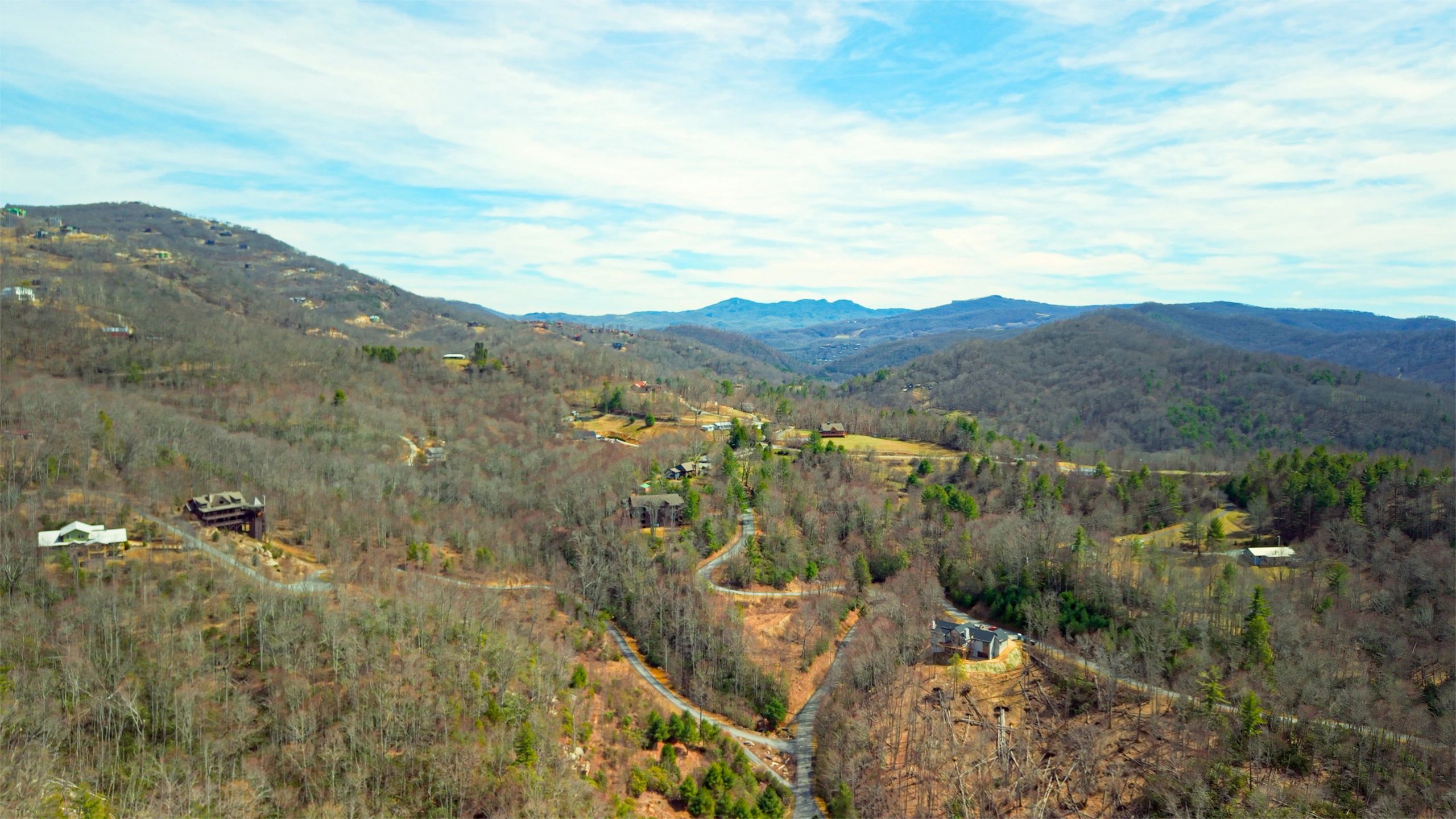
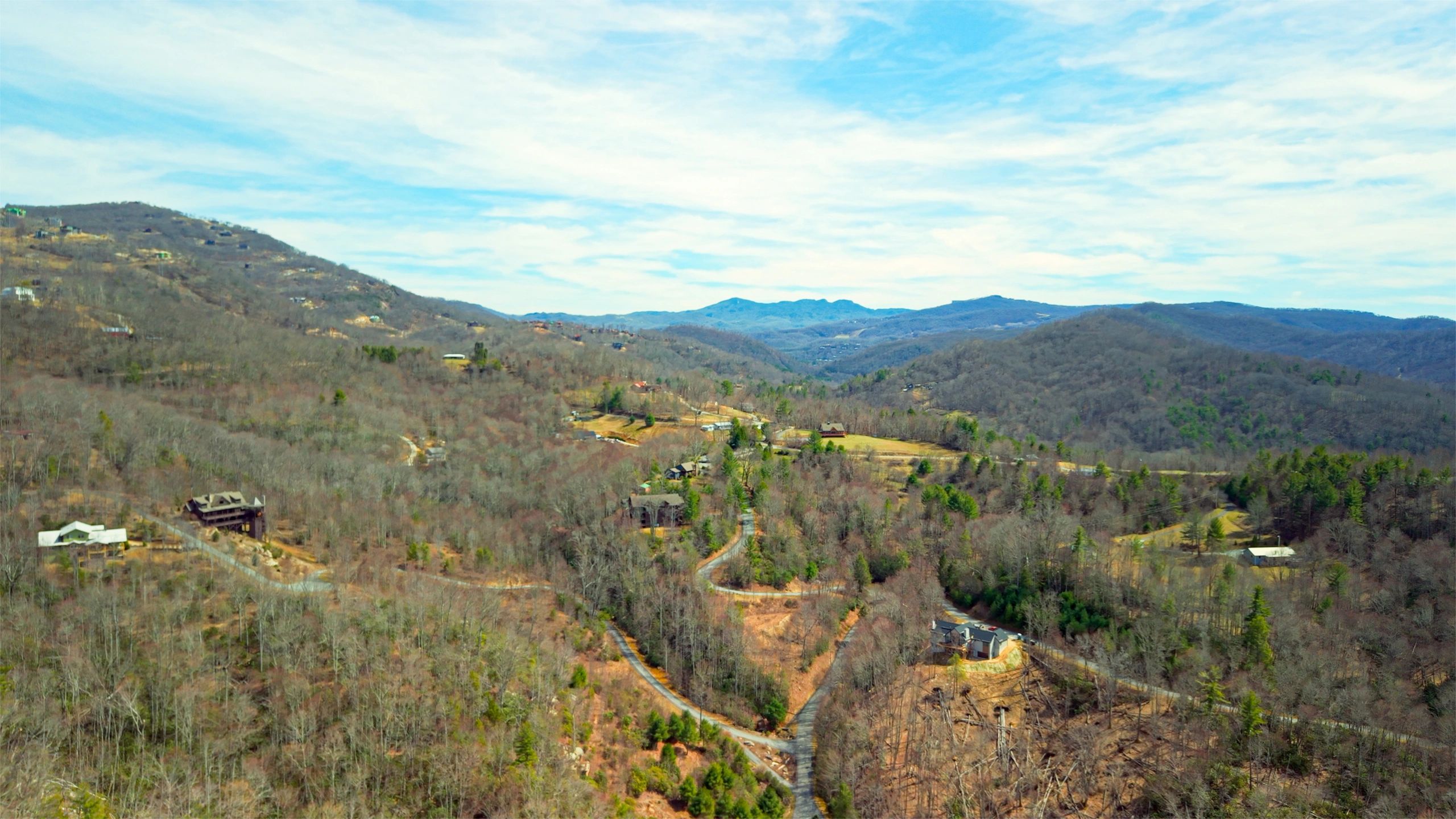
Tennessee bunker construction often begins with terrain. Mountain-adjacent sites, sloped parcels, wooded ridgelines, and rolling agricultural land all demand careful grading, drainage, retaining strategy, and access planning before structural work begins.
Across the state, successful underground construction depends on balancing concealment, structural performance, water management, and long-term livability. In some regions, hillside integration creates strong opportunities for discreet entries and layered protection. In others, flatter sites support larger compounds, detached shelters, and estate-scale underground residences with broader footprints.
- Storm-aware structural planning
- Drainage and groundwater control
- Backup utilities and protected systems
Lifestyle
Luxury Below Grade
For Tennessee families, a bunker can be planned as a true residential environment with generous living space, private suites, storage, wellness rooms, command capability, and secure utility infrastructure. The goal is not simply survival. It is continuity with comfort, privacy, and architectural discipline.
- Family and guest suites
- Private security layers
- Off-grid mechanical support

Planning
Site Specific Execution
Whether a project is positioned near Nashville, Chattanooga, Knoxville, Memphis, Jackson, Cookeville, Johnson City, Franklin, Murfreesboro, or on remote acreage in the Cumberland Plateau, execution must respond to parcel shape, slope, utility routing, security priorities, and the desired balance between visibility and discretion.
We plan for hardened shells, secure entries, ventilation, water storage, filtration, backup power, food support, storage, and premium interior layouts that allow underground space to function as a primary residence, retreat, or continuity asset.
Built For Tennessee Conditions
Regional Planning
Tennessee bunker construction requires a disciplined response to varied topography, mixed soil conditions, water management, and access planning. Our approach balances structural performance with refined residential comfort, allowing underground space to function as a primary residence, retreat, continuity asset, or family protection environment.
Site Strategy
We evaluate mountain-adjacent parcels, wooded estates, agricultural land, and private compounds for grading, concealment, drainage, and construction logistics across East, Middle, and West Tennessee.
Structural Systems
Concrete-forward bunker systems, reinforced shells, hardened entries, and protected utility rooms are planned around durability, moisture control, and long-term underground performance.
Luxury Living
High ceilings, family living zones, wellness areas, storage, and premium finishes help transform hardened space into a livable architectural environment rather than a purely defensive enclosure.
Off-Grid Readiness
Power redundancy, water storage, filtration, ventilation, food support areas, and secure mechanical rooms can be integrated for extended independent operation during disruption or long-duration occupancy.
Tennessee Regions And Cities
We support bunker planning across East Tennessee, Middle Tennessee, and West Tennessee, including major metro areas, private estates, agricultural properties, and discreet rural sites.
East Tennessee
Knoxville, Chattanooga, Johnson City, Kingsport, Bristol, Cleveland, Maryville, Sevierville, Morristown, Oak Ridge, Cookeville, Crossville, Athens, Lenoir City, Farragut, Alcoa, Greeneville, Elizabethton, Pigeon Forge, Gatlinburg, Maryville, Loudon, Sweetwater, Newport, Tazewell, Rogersville, Jonesborough
Middle Tennessee
Nashville, Franklin, Brentwood, Murfreesboro, Hendersonville, Gallatin, Lebanon, Columbia, Spring Hill, Smyrna, La Vergne, Mount Juliet, Dickson, Clarksville, Cookeville, Tullahoma, Manchester, McMinnville, Shelbyville, Lawrenceburg, Goodlettsville, Portland, Springfield, Ashland City, Lewisburg, Pulaski
West Tennessee
Memphis, Germantown, Collierville, Bartlett, Jackson, Milan, Humboldt, Dyersburg, Brownsville, Covington, Union City, Paris, Martin, Ripley, Savannah, Lexington, Bolivar, Selmer, Somerville, Whiteville, Arlington, Millington, Atoka, Munford, Trenton, McKenzie
Regional Planning Priorities
East Tennessee projects often focus on slope integration, discreet access roads, retaining strategy, and water control around mountain and foothill parcels. Middle Tennessee frequently combines estate-scale residential planning with strong access to utilities, premium neighborhoods, and rolling land suited to larger underground footprints. West Tennessee sites often favor broader agricultural or semi-rural parcels where compound planning, detached support structures, and long-term storage capacity can be organized with efficient construction logistics.
This statewide mix gives Tennessee unusual flexibility for clients seeking a hardened family residence, a private continuity retreat, or a luxury underground compound that balances comfort, concealment, and long-term resilience.
Tennessee Counties
County pages are organized for statewide navigation and local planning research. Where a county page is not yet built, the navigation path should point to its coming soon destination.
- Anderson County
- Bedford County
- Benton County
- Bledsoe County
- Blount County
- Bradley County
- Campbell County
- Cannon County
- Carroll County
- Carter County
- Cheatham County
- Chester County
- Claiborne County
- Clay County
- Cocke County
- Coffee County
- Crockett County
- Cumberland County
- Davidson County
- Decatur County
- DeKalb County
- Dickson County
- Dyer County
- Fayette County
- Fentress County
- Franklin County
- Gibson County
- Giles County
- Grainger County
- Greene County
- Grundy County
- Hamblen County
- Hamilton County
- Hancock County
- Hardeman County
- Hardin County
- Hawkins County
- Haywood County
- Henderson County
- Henry County
- Hickman County
- Houston County
- Humphreys County
- Jackson County
- Jefferson County
- Johnson County
- Knox County
- Lake County
- Lauderdale County
- Lawrence County
- Lewis County
- Lincoln County
- Loudon County
- McMinn County
- McNairy County
- Macon County
- Madison County
- Marion County
- Marshall County
- Maury County
- Meigs County
- Monroe County
- Montgomery County
- Moore County
- Morgan County
- Obion County
- Overton County
- Perry County
- Pickett County
- Polk County
- Putnam County
- Rhea County
- Roane County
- Robertson County
- Rutherford County
- Scott County
- Sequatchie County
- Sevier County
- Shelby County
- Smith County
- Stewart County
- Sullivan County
- Sumner County
- Tipton County
- Trousdale County
- Unicoi County
- Union County
- Van Buren County
- Warren County
- Washington County
- Wayne County
- Weakley County
- White County
- Williamson County
- Wilson County
County Coverage Across The State
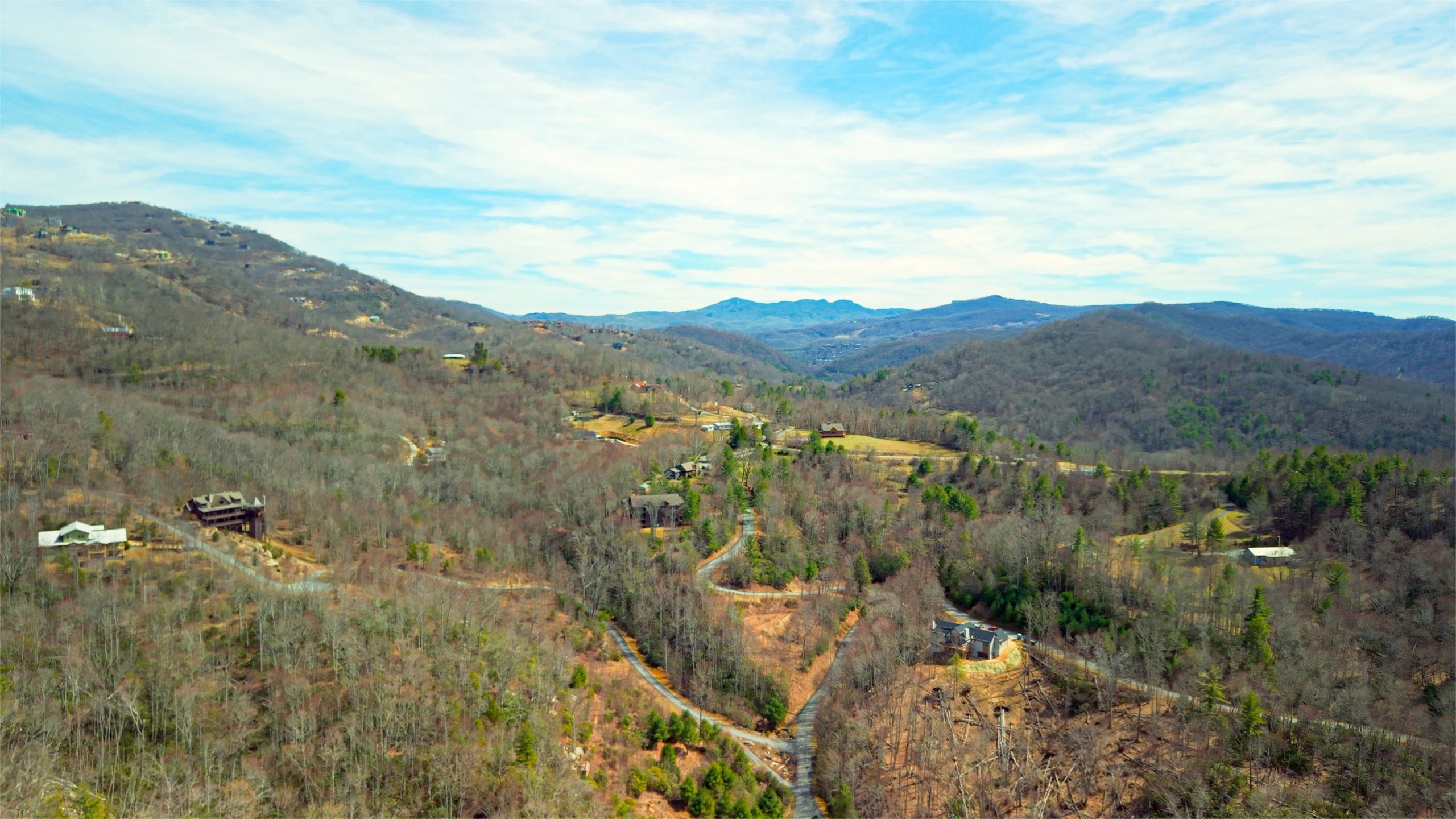
The county directory supports statewide research for mountain estates, suburban edge properties, agricultural land, and discreet rural compounds. It gives Tennessee visitors a clear path from broad regional planning into county-level pages as those local destinations are published.
For now, county links can serve as coming soon destinations where a local page is not yet live, keeping the navigation structure complete while the broader Tennessee buildout continues.