Family Protection
Family Bunkers Designed for Secure Daily Living
Family bunkers by Bunker Construction Inc. are planned as resilient underground residences with refined living space, private sleeping zones, hardened infrastructure, and long-duration support systems for households seeking continuity, discretion, and architectural quality.
Overview
What defines a family bunker
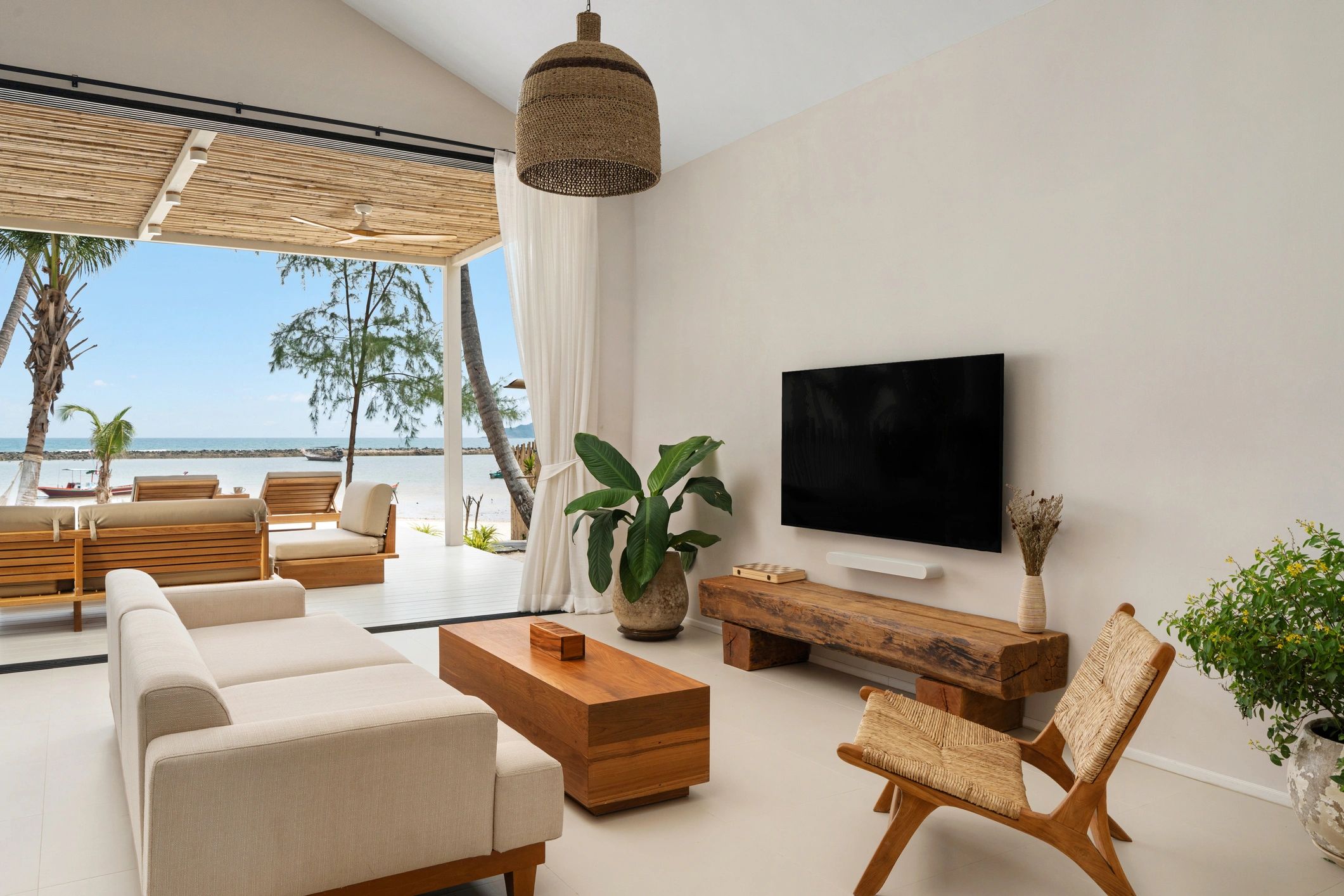
A family bunker must do more than survive impact. It must support routine, privacy, emotional steadiness, and calm decision-making across extended occupancy while maintaining the hardened performance expected of a serious protective structure. The best family bunkers feel organized, livable, and reassuring rather than improvised or purely tactical. They are planned to preserve how a household functions, giving families a secure environment that still feels residential, ordered, and emotionally sustainable over time.
- Residential planning prioritizes shared living areas, private bedrooms, storage integration, and circulation that feels composed rather than compressed.
- Layered protection coordinates structural hardening, controlled access, utility redundancy, and environmental systems into one construction strategy.
- Long-stay readiness addresses water, air, sanitation, food storage, and equipment zones for sustained occupancy.
- Family-centered comfort uses higher ceilings, warmer finishes, acoustic control, and flexible rooms to support real daily life underground.
Why It Matters
Built around family continuity
For households planning beyond short-term disruption, family bunkers balance protection with a residential experience that supports order, privacy, and emotional stability under pressure. The goal is not only to shelter a family, but to preserve how a family functions.
Private family zones
Separate sleeping and retreat areas help preserve rest, routine, and personal space during extended occupancy.
Shared gathering areas
Dining, lounge, and flexible common spaces support communication, calm, and a stronger sense of normalcy.
Operational clarity
Storage, sanitation, utility rooms, and equipment access should be intuitive and easy to manage under stress.
Long-term livability
Lighting, acoustics, finishes, and room proportions all influence whether the bunker feels sustainable over time.
How families typically evaluate the right bunker
Household size
Occupancy drives bedroom count, storage volume, sanitation planning, and the scale of shared living space.
Duration goals
Short-term sheltering and long-duration continuity require very different utility, food, and maintenance strategies.
Lifestyle expectations
Families increasingly want underground environments that feel calm, private, and residential rather than purely defensive.
Next Step
Discuss the right family bunker approach
Whether you are evaluating a custom build or reviewing construction-ready plans, our team can help define the right scale, layout, and protection priorities for your household. Early planning can also clarify occupancy assumptions, storage needs, privacy expectations, and the level of long-duration readiness your family wants to achieve.