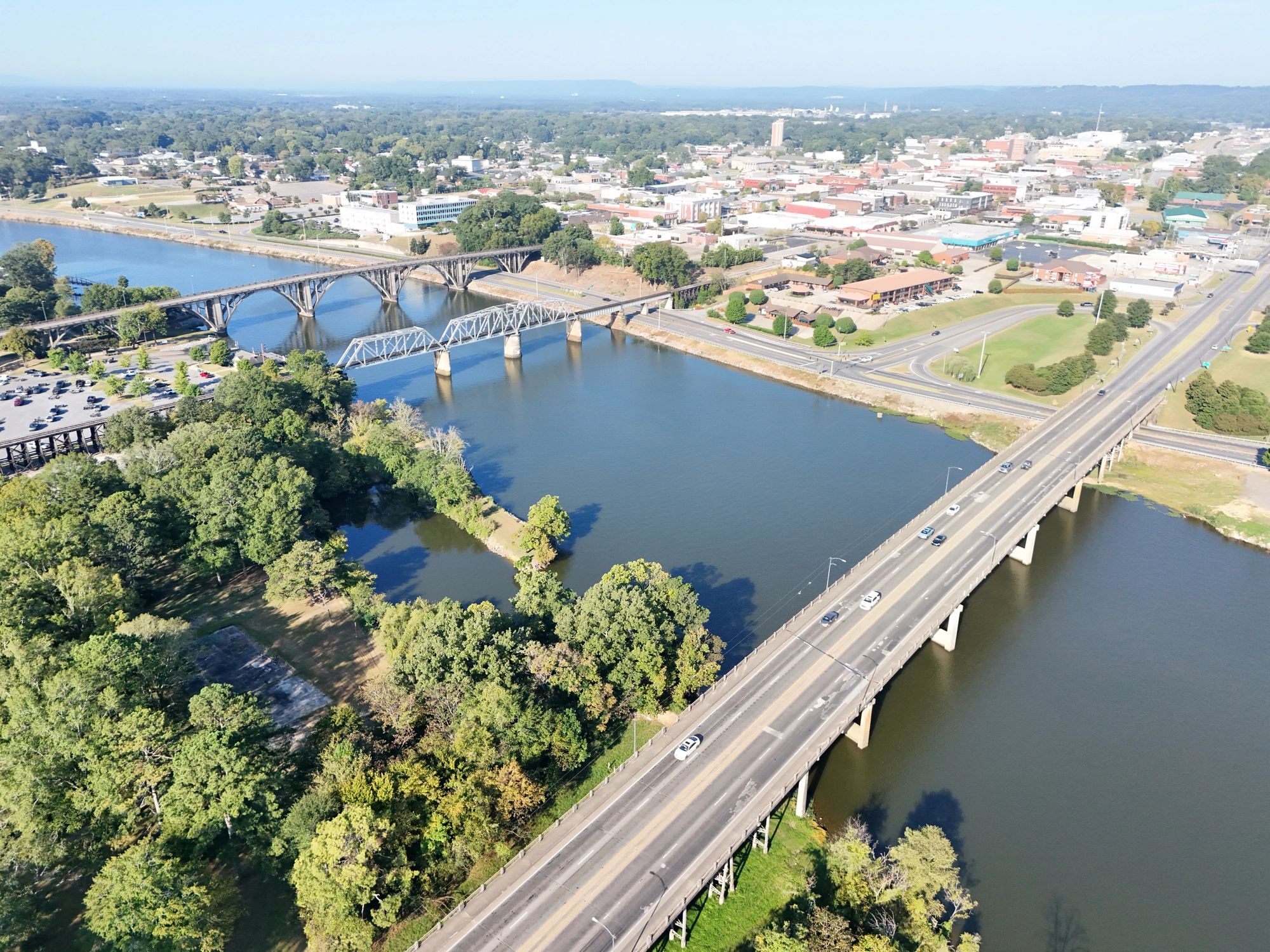
Why Alabama Clients Build
Alabama combines tornado exposure, hurricane spillover risk, flood-prone areas, utility vulnerability, and a strong culture of private land ownership, making hardened luxury shelters a practical long-term investment for families, estates, agricultural properties, equestrian land, and continuity-minded owners seeking a more self-sufficient way to live.
For some clients, the goal is a hardened family retreat integrated into a primary residence. For others, it is a discreet secondary structure, a secure lower-level expansion, or a fully planned underground residence with long-duration life-support systems, storage, security layers, premium interior finishes, and the comfort expected of a true luxury residence below grade.
Climate
Storm Hardened Design
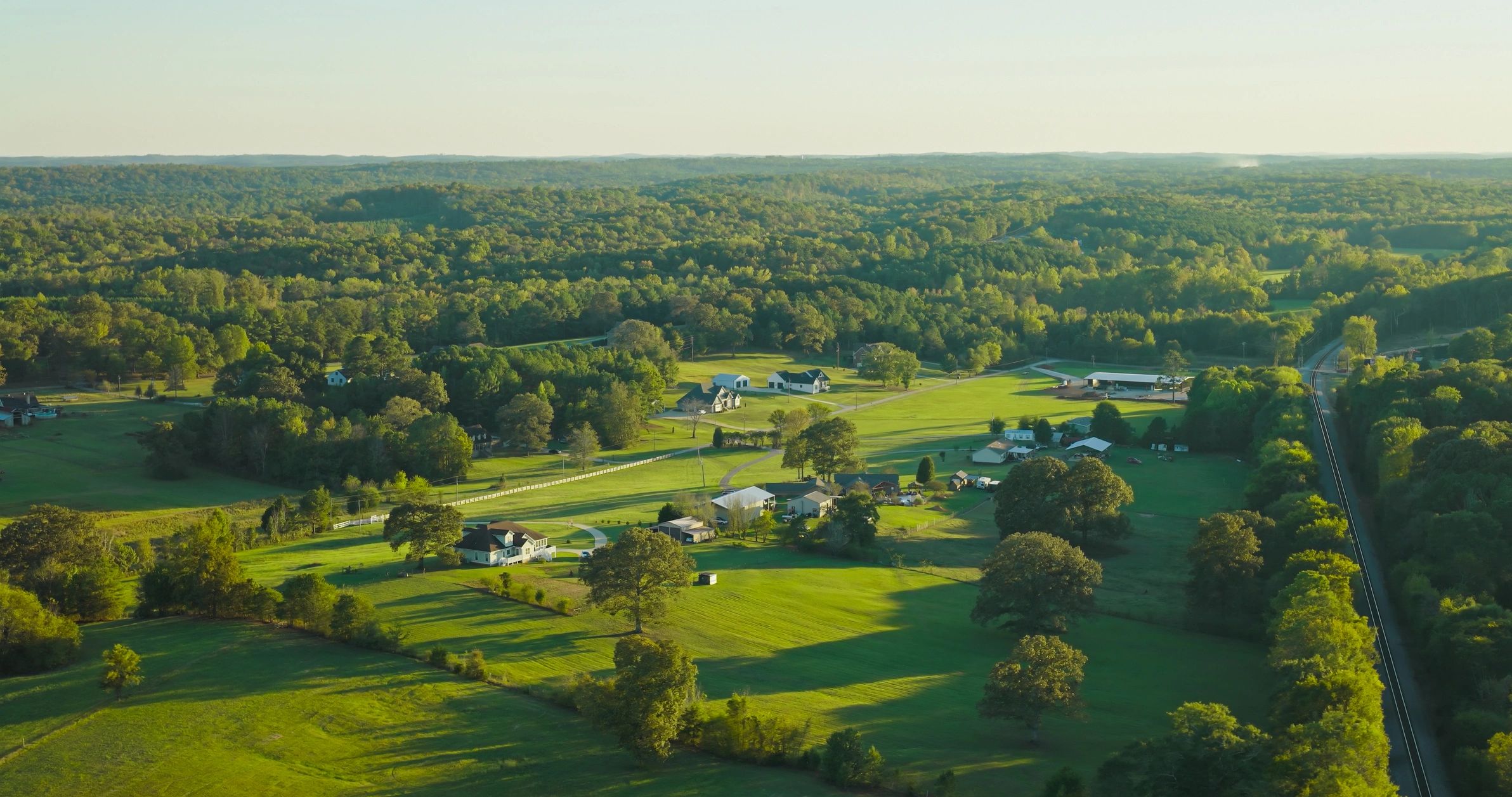
Bunker construction in Alabama often prioritizes reinforced structural shells, secure access points, drainage strategy, waterproofing, and resilient mechanical systems that can perform through severe weather cycles, humidity, and extended utility interruptions.
Across much of the state, successful underground construction depends on understanding local soil conditions, slope behavior, groundwater movement, and how stormwater is managed across the broader parcel. In some areas, larger rural tracts create excellent opportunities for discreet estate-scale planning, while more developed regions may call for tighter integration with existing homes, garages, outbuildings, or private compounds.
Lifestyle
Luxury Below Grade
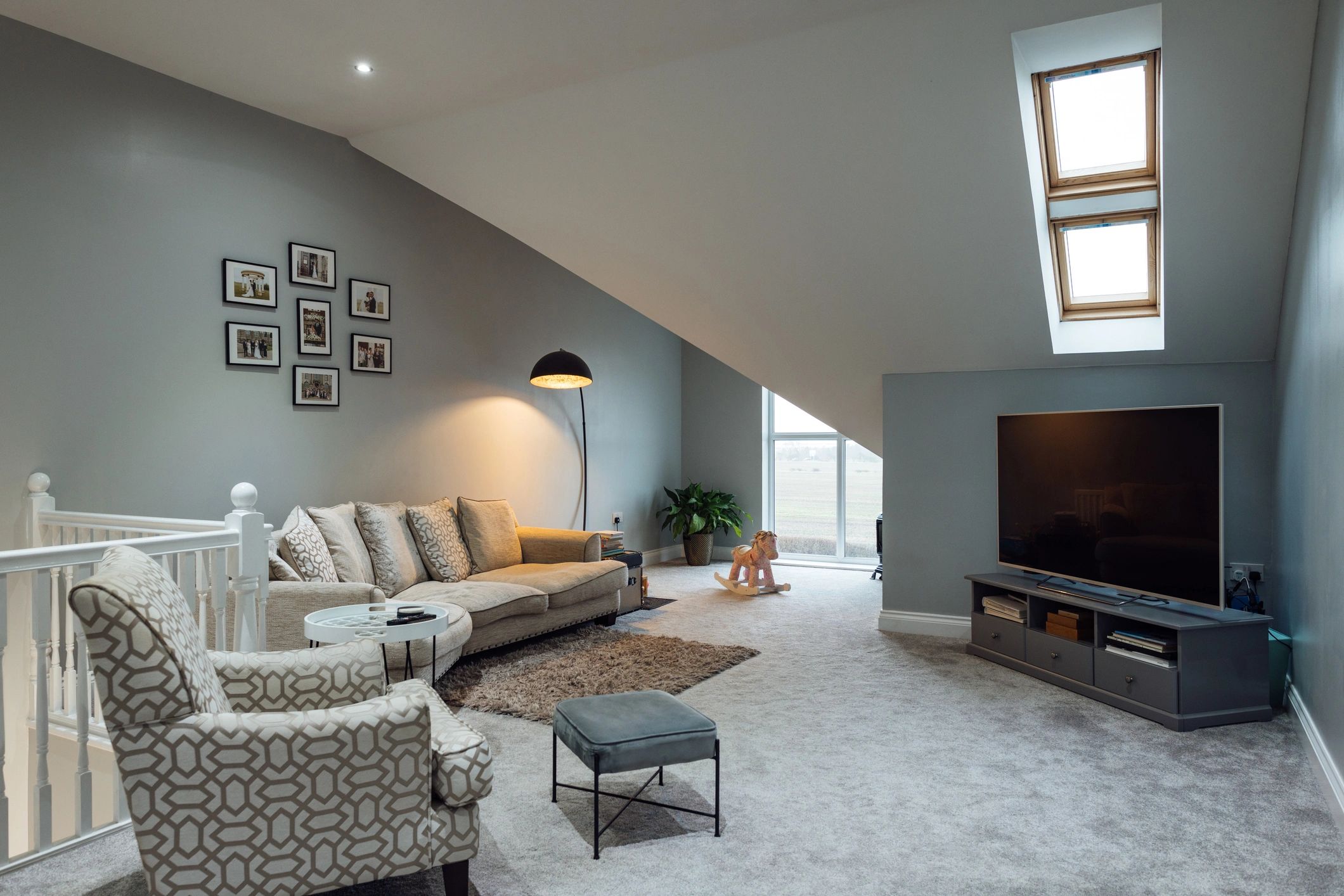
For Alabama families, a bunker can function as more than a shelter. It can be planned as a private lower-level residence with generous living space, wellness rooms, storage, security layers, and discreet long-duration occupancy capability.
Planning
Site Specific Execution
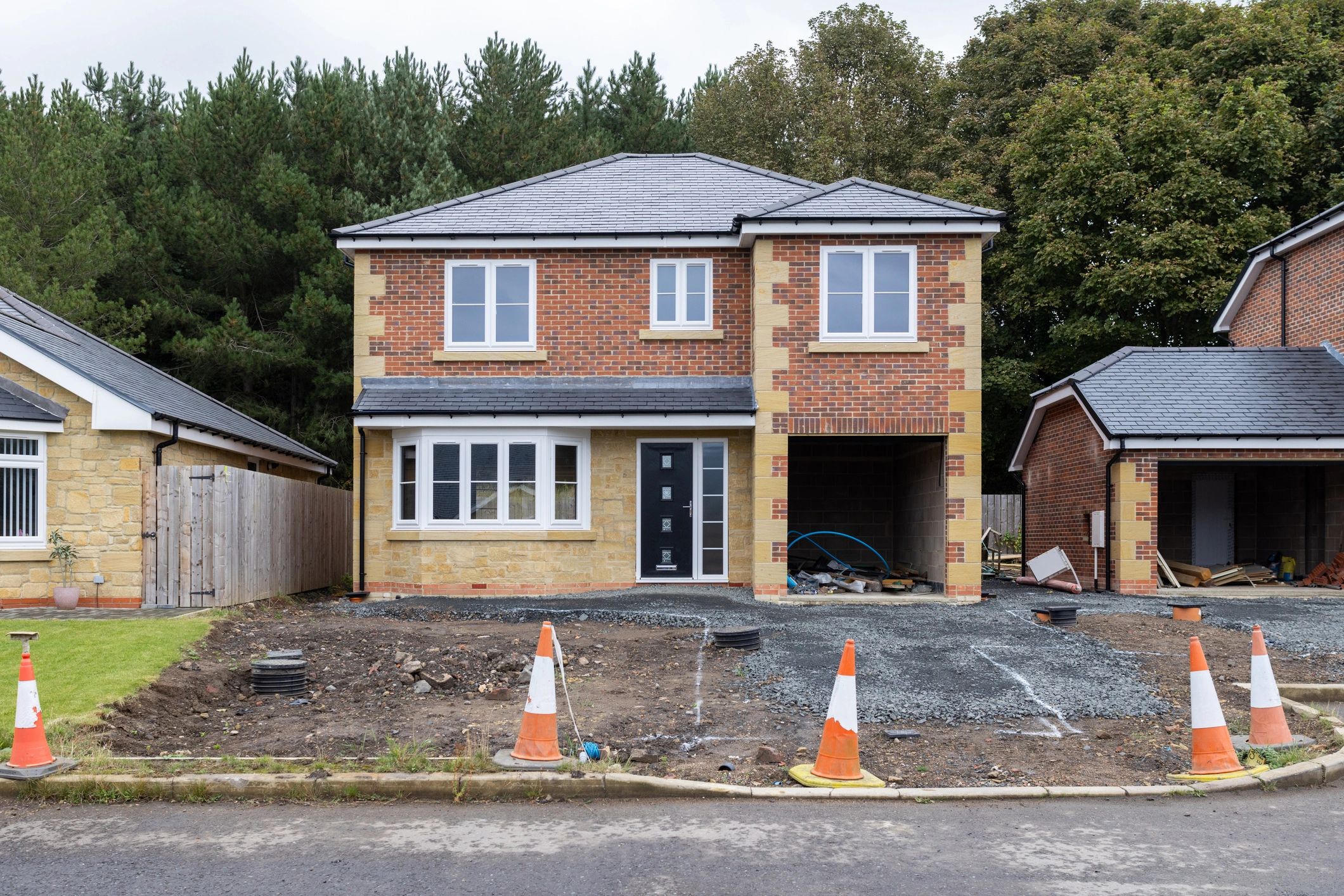
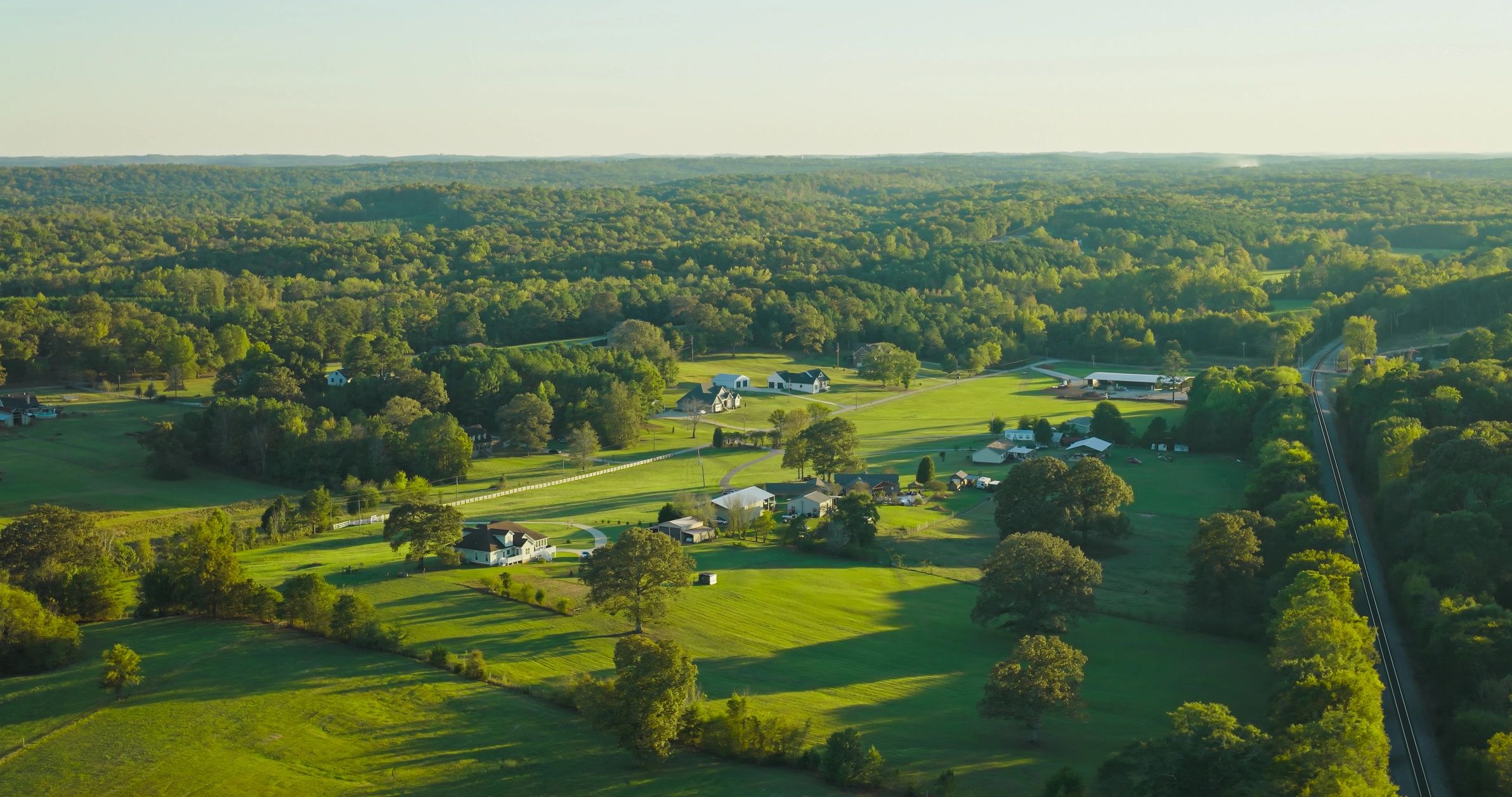
Alabama bunker planning is highly regional. Gulf Coast properties may require elevated strategies around water intrusion, corrosion exposure, and storm surge context. Central Alabama sites often focus on drainage, clay-heavy soils, wooded privacy, and integration with estates or agricultural land. In the north, grade changes, rock conditions, and access routes can shape excavation strategy, retaining design, and equipment mobilization. Across the state, successful execution depends on matching structural strategy to parcel conditions rather than forcing a one-size-fits-all underground solution.
Because Alabama supports a wide mix of rural acreage, suburban compounds, and private family estates, offerings can range from hardened storm and continuity shelters to fully developed underground residences with luxury kitchens, family suites, command and monitoring rooms, wellness spaces, storage zones, water systems, backup power, and discreet service access. The right solution depends on how the bunker is expected to function day to day as well as during disruption, whether as a private refuge, a primary underground residence, or a continuity asset attached to a broader estate plan.
Early planning should evaluate geotechnical conditions, drainage paths, flood history, utility redundancy, construction access, concealment strategy, and how the bunker connects to the broader property plan. That is especially important in Alabama, where rainfall intensity, seasonal storms, varied site conditions, and the transition from coastal to inland terrain can significantly influence long-term performance.
Explore Alabama by County
Use the county pages below to compare land conditions, access, privacy, storm exposure, drainage considerations, and estate-scale bunker opportunities across Alabama. Each page expands on how bunker planning can differ by terrain, development pattern, infrastructure context, and the balance between hardened protection and refined residential use. Alabama county pages are being built in a Connecticut-style format, with each county linked from this statewide directory and expanded as part of the broader destination structure.
- Autauga County
- Baldwin County
- Barbour County
- Bibb County
- Blount County
- Bullock County
- Butler County
- Calhoun County
- Chambers County
- Cherokee County
- Chilton County
- Choctaw County
- Clarke County
- Clay County
- Cleburne County
- Coffee County
- Colbert County
- Conecuh County
- Coosa County
- Covington County
- Crenshaw County
- Cullman County
- Dale County
- Marengo County
- Marion County
- Marshall County
- Mobile County
- Monroe County
- Montgomery County
- Morgan County
- Perry County
- Pickens County
- Pike County
- Randolph County
- Russell County
- St. Clair County
- Shelby County
- Sumter County
- Talladega County
- Tallapoosa County
- Tuscaloosa County
- Walker County
- Washington County
- Wilcox County
- Winston County
Each Alabama project should respond to soil conditions, water table considerations, access logistics, estate layout, drainage performance, and the client’s desired balance of comfort, protection, and long-term independence.
Across the state, planning priorities can shift from Gulf Coast resilience and corrosion resistance to wooded inland privacy, agricultural estate integration, and elevated storm shelter strategies. That makes Alabama especially well suited for clients who want a bunker to function as both a hardened protective asset and a long-term residential extension of a larger property vision.
Major population centers such as Birmingham, Huntsville, Montgomery, Mobile, Tuscaloosa, Auburn, and Dothan each present different site-selection and infrastructure considerations, while rural counties often create stronger opportunities for discreet siting, layered security planning, and larger underground footprints. This statewide mix gives Alabama unusual flexibility for clients seeking anything from a compact hardened shelter to a fully realized luxury bunker residence.