UNITED STATES
Kentucky Bunker Construction
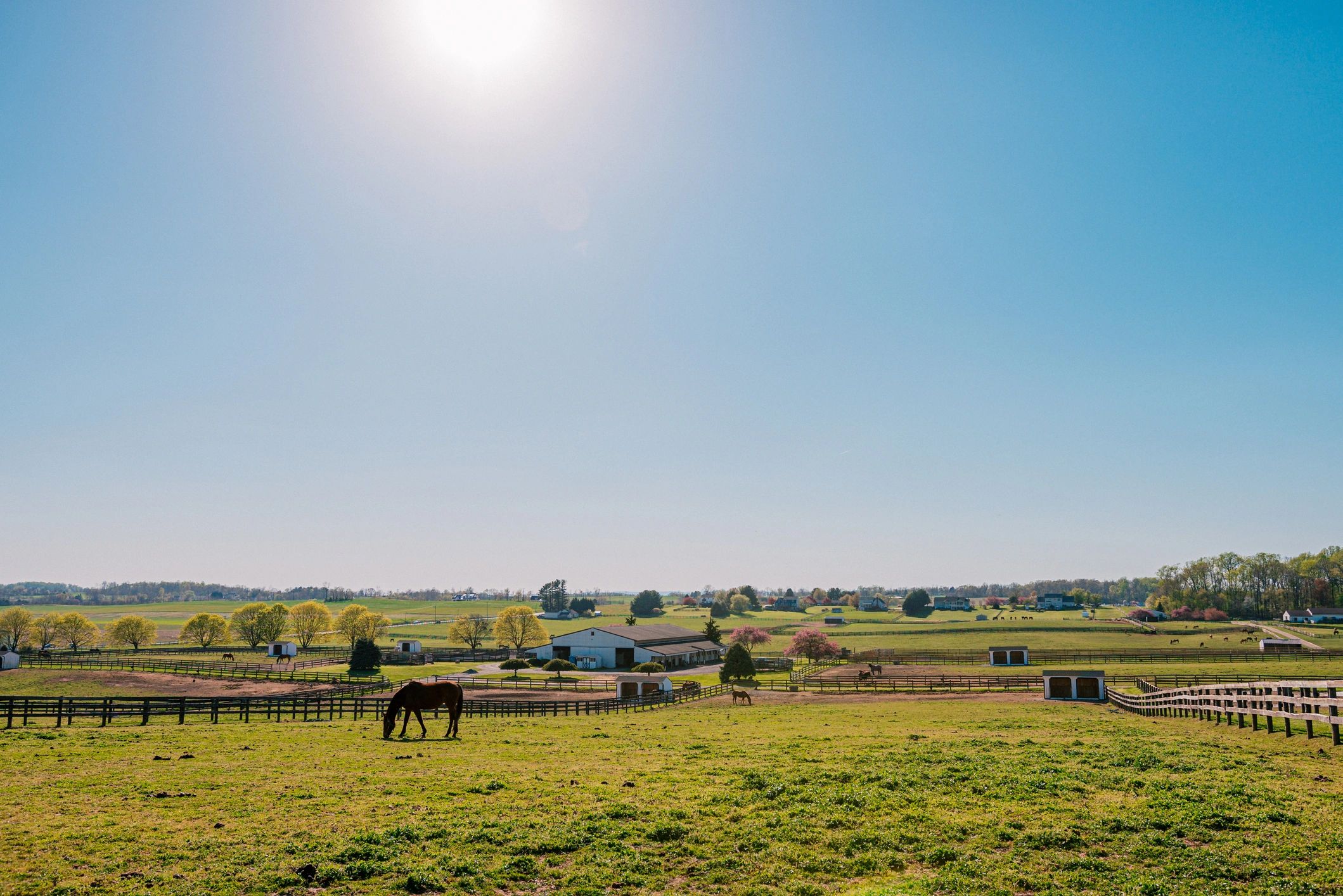
Kentucky bunker construction supports discreet estate planning, family protection, and luxury underground living shaped for Bluegrass horse country, rolling farmland, wooded acreage, lake regions, and long-term resilience across the Commonwealth.
KENTUCKY
Bluegrass Estate Readiness
Kentucky properties can support bunker construction that blends privacy, land flexibility, hardened engineering, and a composed residential experience below ground for families planning beyond short-term uncertainty, estate continuity, and multi-generational protection. Across the Commonwealth, clients often evaluate bunkers as part of a broader estate strategy that balances daily livability, discreet security, and long-range family planning.
From horse country estates around Lexington and Versailles to lake retreats near Kentucky Lake and Lake Cumberland, wooded hillsides in the east, and broad agricultural tracts across central and western Kentucky, the state offers a wide range of site conditions for discreet underground living concepts designed around continuity, comfort, and controlled access. That flexibility makes Kentucky relevant for primary residences, legacy compounds, preparedness-minded farms, and private retreats that require both resilience and architectural restraint.
Terrain and Placement
Rolling topography, karst-sensitive planning in some regions, drainage strategy, access roads, utility routing, and discreet entry placement all influence how a Kentucky bunker can be integrated into a larger residential, equestrian, or agricultural property without disrupting the character of the land above. Site planning in the Commonwealth often benefits from careful coordination between structural design, water management, and the visual language of barns, estate homes, and rural outbuildings.
Residential Continuity
Layouts can include generous living quarters, food storage, mechanical rooms, command and monitoring areas, private sleeping suites, wine and provisions storage, and wellness-oriented spaces that support extended occupancy while maintaining a calm, livable atmosphere. For Kentucky clients, that can mean creating underground environments that feel closer to refined residential architecture than emergency shelter, with space for family routines, hospitality, and long-duration comfort.
Independent Systems
Power redundancy, water storage and treatment, air filtration, communications infrastructure, fuel strategy, and layered security planning help create a more self-sufficient underground environment suited to long-duration preparedness across rural estates and primary residences alike. These systems are especially important for clients evaluating remote acreage, weather-related disruptions, supply continuity, and the need for dependable independent operation over extended periods.
Luxury with Discretion
The objective is to deliver a hardened underground residence that feels private, refined, and aligned with the architecture and landscape above, allowing Kentucky clients to prioritize comfort first while quietly strengthening long-term resilience, family continuity, and property-level independence. In a state known for land stewardship, equestrian culture, and multigenerational property ownership, that balance between luxury and preparedness is central to the design brief.
Kentucky Counties
County pages remain linked for later buildout, giving Kentucky visitors a clear path into local market coverage across Louisville-area growth corridors, Bluegrass horse country, river communities, western farmland, and Appalachian acreage regions statewide. This statewide structure helps future county-level pages connect local land conditions, privacy expectations, and construction considerations back to a unified Kentucky planning framework.
- Adair County
- Allen County
- Anderson County
- Ballard County
- Barren County
- Bath County
- Bell County
- Boone County
- Bourbon County
- Boyd County
- Boyle County
- Bracken County
- Breathitt County
- Breckinridge County
- Bullitt County
- Butler County
- Caldwell County
- Calloway County
- Campbell County
- Carlisle County
- Carroll County
- Carter County
- Casey County
- Christian County
- Clark County
- Clay County
- Clinton County
- Crittenden County
- Cumberland County
- Daviess County
- Edmonson County
- Elliott County
- Estill County
- Fayette County
- Fleming County
- Floyd County
- Franklin County
- Fulton County
- Gallatin County
- Garrard County
- Grant County
- Graves County
- Grayson County
- Green County
- Greenup County
- Hancock County
- Hardin County
- Harlan County
- Harrison County
- Hart County
- Henderson County
- Henry County
- Hickman County
- Hopkins County
- Jackson County
- Jefferson County
- Jessamine County
- Johnson County
- Kenton County
- Knott County
- Knox County
- LaRue County
- Laurel County
- Lawrence County
- Lee County
- Leslie County
- Letcher County
- Lewis County
- Lincoln County
- Livingston County
- Logan County
- Lyon County
- McCracken County
- McCreary County
- McLean County
- Madison County
- Magoffin County
- Marion County
- Marshall County
- Martin County
- Mason County
- Meade County
- Menifee County
- Mercer County
- Metcalfe County
- Monroe County
- Montgomery County
- Morgan County
- Muhlenberg County
- Nelson County
- Nicholas County
- Ohio County
- Oldham County
- Owen County
- Owsley County
- Pendleton County
- Nicholas County
- Ohio County
- Oldham County
- Owen County
- Owsley County
- Pendleton County
- Perry County
- Pike County
- Powell County
- Pulaski County
- Robertson County
- Rockcastle County
- Rowan County
- Russell County
- Scott County
- Shelby County
- Simpson County
- Spencer County
- Taylor County
- Todd County
- Trigg County
- Trimble County
- Union County
- Warren County
- Washington County
- Wayne County
- Webster County
- Whitley County
- Wolfe County
- Woodford County
Cities and Towns
Kentucky demand can come from Louisville, Lexington, Bowling Green, Owensboro, Covington, Richmond, Georgetown, Elizabethtown, Florence, Paducah, Nicholasville, Frankfort, Hopkinsville, Ashland, Somerset, London, Murray, Danville, Shelbyville, Bardstown, Winchester, Radcliff, Pikeville, Henderson, Versailles, Mount Sterling, Morehead, Corbin, Glasgow, Campbellsville, Mayfield, Hazard, Prestonsburg, Middlesboro, Richmond, Georgetown, La Grange, Murray, Harrodsburg, Paris, Maysville, Danville, Elizabethtown, Shepherdsville, Richmond, Berea, and communities throughout the Bluegrass, Western Coal Fields, Pennyroyal, Jackson Purchase, and Appalachian regions.
Whether the project is tied to a primary residence, a horse property, a farm, a lake retreat, or a larger family compound, Kentucky bunker planning can be adapted to the privacy expectations, terrain conditions, groundwater considerations, and long-term preparedness goals of the site. The result is a more state-specific planning approach that respects Kentucky land use patterns while supporting hardened, discreet, and highly livable underground space.