Bunker Types
Survival Bunkers Built For Continuity
Survival bunkers by Bunker Construction Inc. are designed for long-duration protection, resilient underground living, and refined day-to-day function. From hardened shells and life-support planning to comfortable residential layouts, each project is developed for clients who want serious preparedness without sacrificing architectural quality.
Overview
What Defines A Survival Bunker
A true survival bunker is more than buried square footage. It is a coordinated system for protection, livability, and operational independence under uncertain conditions. The most successful projects are planned as complete environments where structure, utilities, storage, circulation, and residential comfort work together rather than competing for space.
For modern clients, survival planning increasingly includes quality of life as well as protection. That means creating underground spaces that can function as calm, organized residences with private rooms, dependable systems, and the capacity to support families through short-term emergencies or longer periods of instability.
Protective Structure
Reinforced construction, hardened entry strategies, and carefully planned underground placement help create a secure envelope designed for severe external disruption. This structural layer is the starting point for every other performance goal, from blast resistance and discretion to long-term durability and interior stability.
Life Support Planning
Ventilation, filtration, water strategy, backup power, storage capacity, and utility redundancy are considered as part of a complete survival environment. These systems must be planned in relation to occupancy, duration, maintenance, and daily use so the bunker performs as a real living system rather than a theoretical checklist.
Residential Comfort
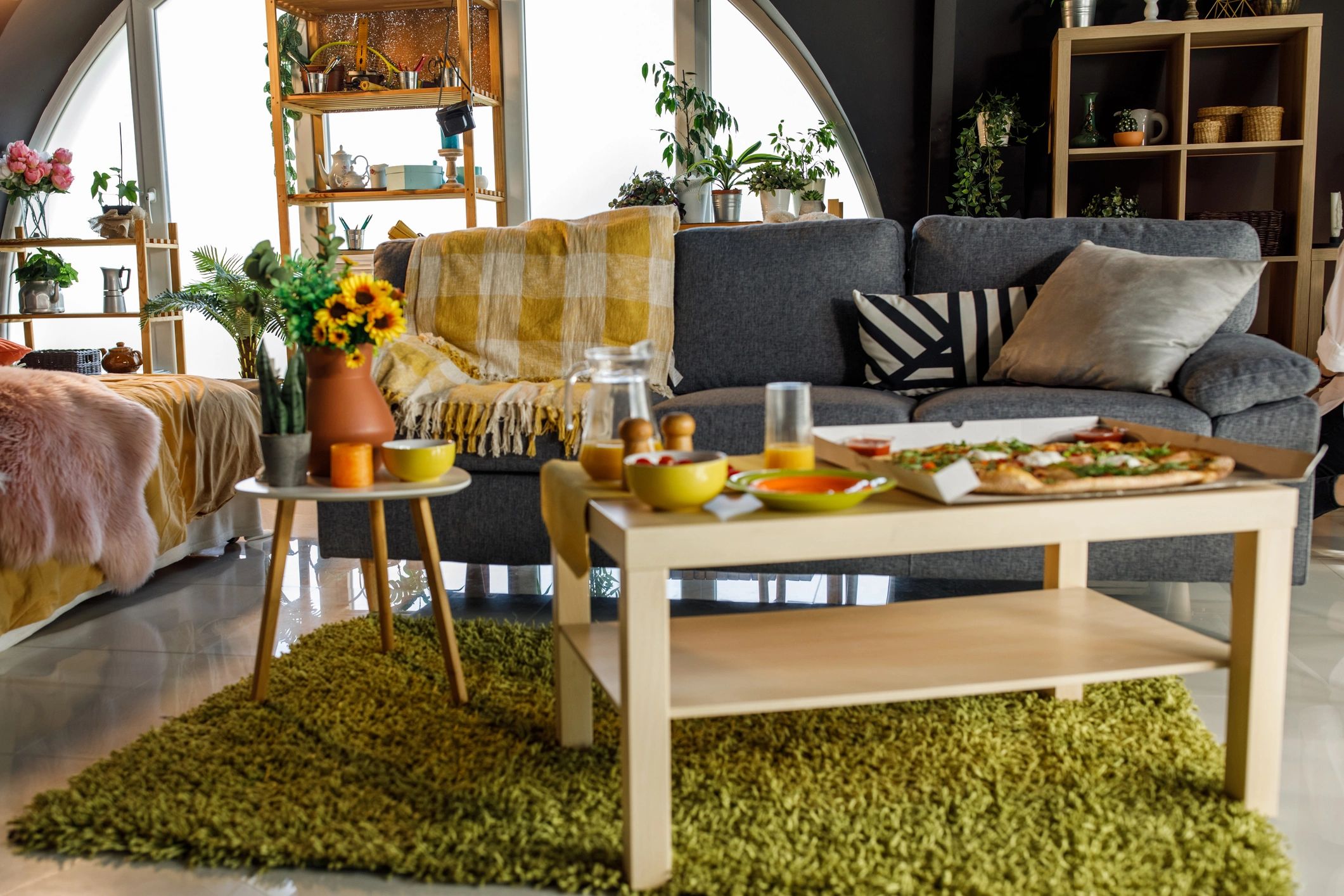
Premium survival bunkers can include generous living areas, private suites, kitchens, wellness spaces, and circulation layouts that support extended occupancy. Architectural quality matters because people do not merely store themselves underground; they live there, make decisions there, and rely on the environment to remain calm and functional over time.
Scalable Configurations
Projects can be tailored for couples, families, multi-generational use, private compounds, or clients seeking larger continuity-focused underground residences. This flexibility allows survival bunkers to range from disciplined compact shelters to expansive luxury-ready environments designed as primary residences below grade.
Advantages
Why Clients Choose Survival Bunkers
- Private resilience through a dedicated underground environment designed for sheltering, controlled access, and independent operation.
- Long-term habitability with storage, sanitation, utility planning, and daily-use spaces that support extended occupancy.
- Elevated living standards through better proportions, refined finishes, and a residential atmosphere that reduces stress.
- Strategic flexibility for family living, estate planning, continuity operations, or full-time underground residence.
Planning Priorities
How Survival Projects Are Evaluated
Clients typically begin by clarifying intended occupancy, duration targets, site conditions, and the level of independence they expect from the bunker. That planning framework helps determine the right balance of square footage, hardening, storage, utilities, and amenity level.
Occupancy And Duration
Short-term sheltering, seasonal readiness, and long-duration continuity each require different storage strategies, room counts, and system redundancy. Defining the expected use case early keeps the project disciplined and realistic.
Lifestyle Expectations
Many clients want a bunker that feels like a premium residence, not a hardened utility room. Ceiling height, private suites, gathering areas, and wellness amenities all influence how livable the environment remains over time.
Site And Security Logic
Access routes, concealment, topography, drainage, and regional conditions all shape how a survival bunker should be positioned and protected. Good planning aligns the structure with the realities of the property rather than forcing a generic solution.
Next Step
Discuss A Custom Bunker Or Plan
Whether you are evaluating a hardened family residence, a private compound concept, or a construction-ready plan, Bunker Construction Inc. can help you define the right level of protection, livability, and long-term resilience for your project.