United States
Luxury Bunker Construction in Connecticut
Connecticut bunker construction often centers on discreet estate integration, family protection, and architecturally refined underground living. From coastal properties and legacy homes to inland estates and private retreats, successful projects balance structural hardening, water management, privacy, and luxury residential comfort.
State Focus
Built for Connecticut Conditions
Connecticut bunker planning should respond to coastal moisture, inland drainage conditions, mature residential settings, and the expectations of premium home design. The strongest projects combine discreet access, dependable structural performance, resilient utility systems, and polished interiors that support both daily comfort and long-term continuity.
Coastal and Inland Strategy
Sites near the shoreline and sites farther inland require different approaches to grading, waterproofing, and structural detailing. Connecticut projects benefit from early evaluation of groundwater behavior, stormwater movement, and year-round access conditions.
Luxury Residential Integration
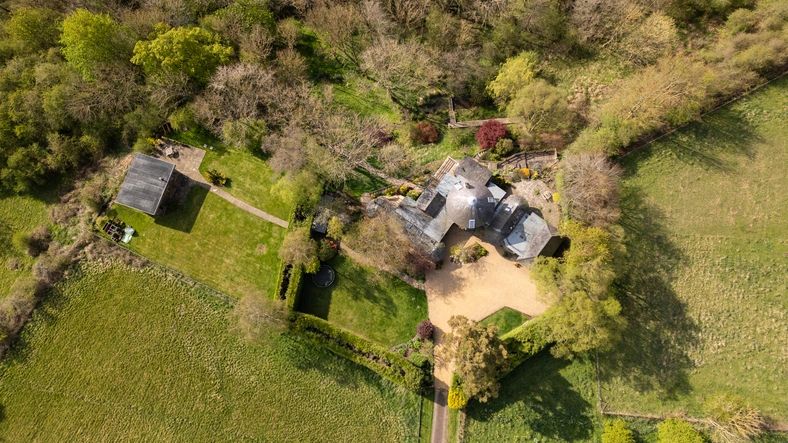
Many Connecticut bunker projects are designed to complement established homes, private estates, and legacy properties. Concealed entries, support structures, and carefully coordinated finishes help the bunker feel aligned with the architecture above rather than separate from it.
Family Continuity Planning
Layouts can prioritize private suites, organized storage, air and water systems, secure utility rooms, and flexible living areas that support extended occupancy. The goal is a calm, livable environment built for family protection first and emergency readiness second.
Discreet Security Systems
Controlled access, hardened envelopes, layered infrastructure, and backup power planning support a quiet but capable resilience strategy. Connecticut properties often benefit from security measures that remain understated while delivering serious performance.
Planning Guidance
What Connecticut Projects Require
- Site selection and geology: Evaluate soils, ledge conditions, grading, and access before finalizing below-grade placement.
- Drainage and waterproofing: Prioritize perimeter drainage, waterproofing assemblies, and stormwater control for long-term durability.
- Permitting coordination: Align structural, excavation, and utility planning with local review requirements and property conditions.
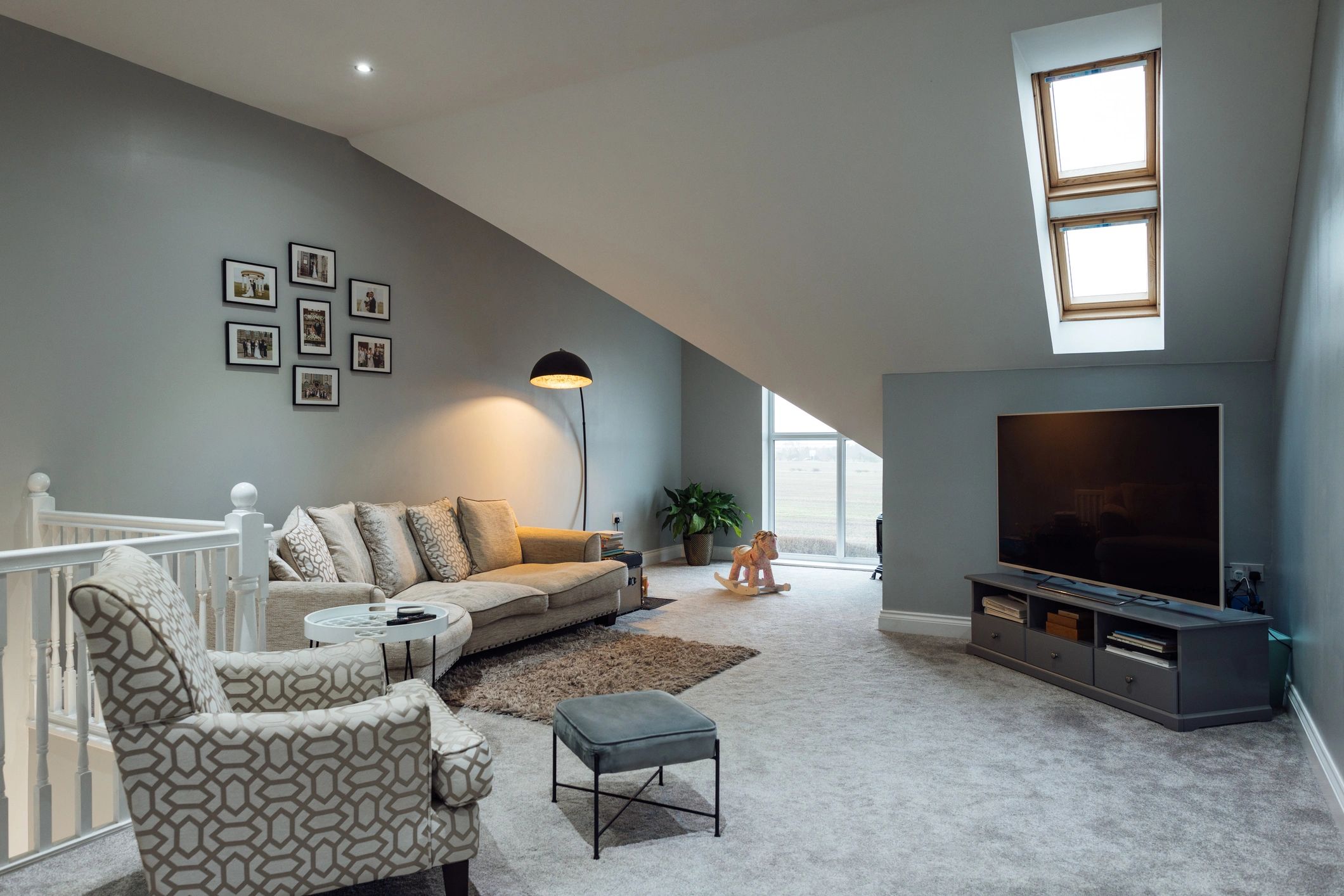
- Luxury interior planning: Design family suites, kitchens, storage, wellness spaces, and mechanical rooms with residential quality in mind.
- Utility resilience: Coordinate air filtration, water storage, backup power, communications, and monitoring systems for continuity use.
County Pages
Connecticut County Bunker Construction
Explore county-level bunker construction guidance across Connecticut, including added detail for larger counties where estate integration, coastal conditions, and more complex planning priorities benefit from deeper coverage.