Bunker Types
Doomsday Bunkers
Architecturally refined underground residences engineered for long-duration continuity, family protection, and resilient living under extreme conditions.
Overview
Built for extreme continuity
Doomsday bunkers are designed as hardened, self-contained environments that support safety, privacy, and operational independence when conventional systems become unreliable. In a premium context, the objective is not only survival under severe conditions, but the creation of a structured underground residence capable of sustaining family continuity, order, and long-duration livability. The strongest projects are planned as complete underground programs with residential zoning, technical redundancy, and a disciplined operational framework that can support life well beyond the initial event window.
Structural hardening
Reinforced underground construction, controlled access points, and layered protective assemblies create a durable shell for severe event scenarios. Structural planning must account for blast considerations, soil conditions, drainage, concealment, and the long-term durability required for a bunker intended to remain relevant well into the future.
Long-stay living
Layouts prioritize sleeping quarters, sanitation, food storage, mechanical rooms, and daily living zones so extended occupancy feels organized and livable. The more disciplined the layout, the easier it becomes to preserve routine, reduce stress, and maintain household function during prolonged disruption.
Independent systems
Power resilience, air handling, water strategy, and storage planning are integrated early so the bunker functions with greater autonomy. These systems must be coordinated as a single operational framework, with maintenance access, redundancy, and realistic occupancy demands considered from the start.
Private planning
Each project is shaped around occupancy goals, site realities, desired finish level, and the balance between survival performance and residential comfort. Some clients prioritize maximum hardening, while others seek a more refined underground residence that still performs under extreme conditions, and the planning approach should reflect that distinction.
Advantages
Why clients choose this category
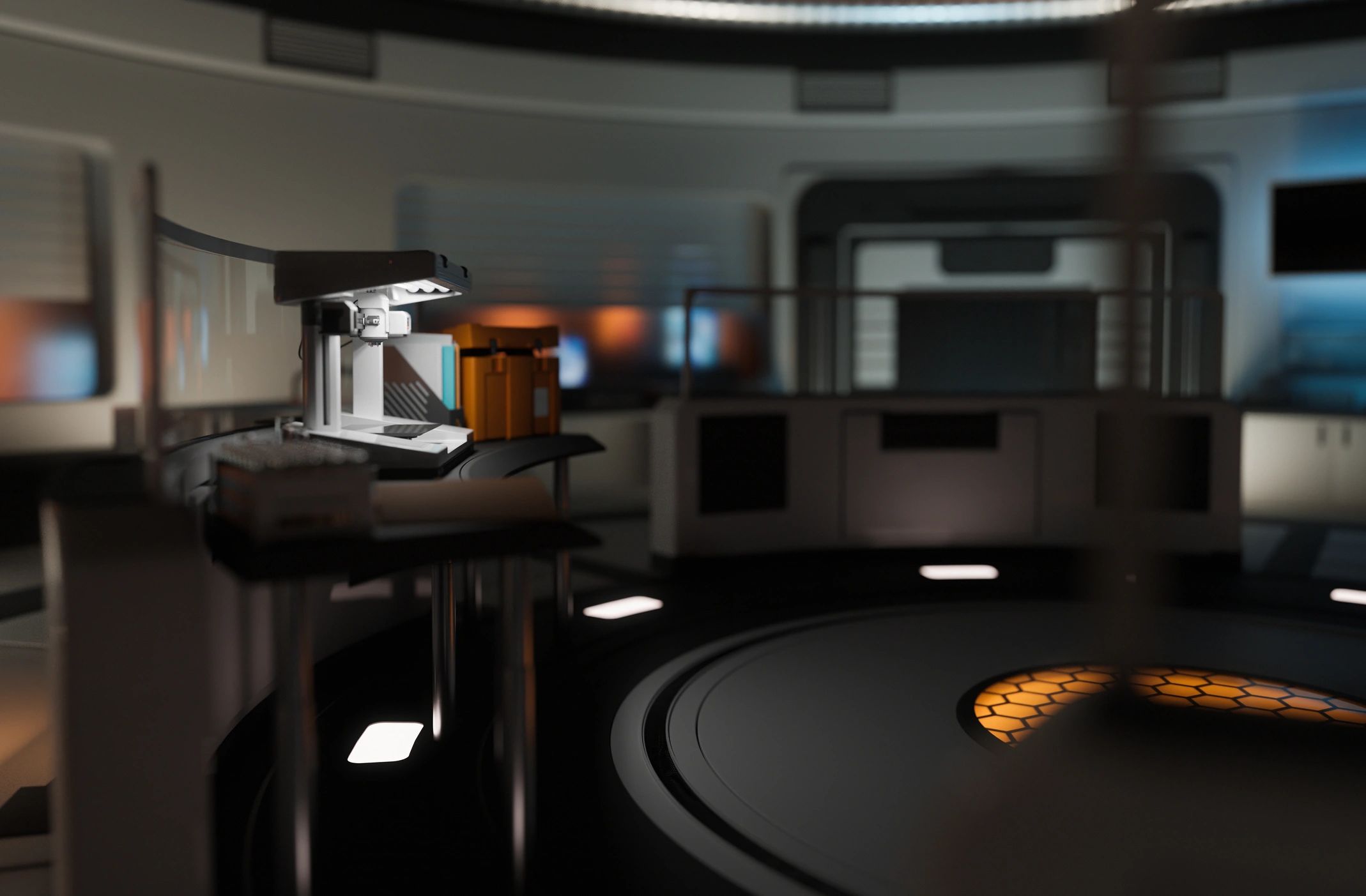
Key Priorities
What a doomsday bunker must solve
The strongest projects combine protective engineering with disciplined planning for everyday function, maintainability, and long-term occupancy. A doomsday bunker succeeds when it can be inhabited with order and confidence, not merely sealed and stocked.