Georgia County Guide
Baker County Bunker Construction
Private bunker planning for agricultural land, family compounds, and resilient estate development in southwest Georgia.
Bunker Construction in Baker County
Baker County offers a distinctly rural setting for bunker construction in Georgia, with broad agricultural acreage, low-density development patterns, and a landscape that supports discreet site planning. For clients evaluating a hardened underground structure in this part of southwest Georgia, the opportunity is not simply about concealment. It is about designing a long-term refuge and primary-residence-grade survival environment that fits the land, the drainage profile, the access routes, and the operational goals of the property owner.
Bunker Construction Inc. approaches Baker County projects as integrated estate infrastructure. That means the bunker is planned as part of a complete property strategy rather than as an isolated concrete shell. Entry sequencing, utility redundancy, equipment access, spoil management, stormwater control, and above-ground architectural masking all matter. On larger tracts, a bunker can be coordinated with a residence, workshop, equipment barn, detached garage, agricultural building, or private access road so the final result feels intentional, secure, and discreet.
Because Baker County is shaped by farmland, timber edges, open fields, and practical rural construction conditions, bunker design here often benefits from a straightforward construction workflow. Excavation staging can be more manageable on larger parcels, and there is often more flexibility to separate the secure living core from public-facing portions of the property. That creates room for layered planning: hardened living quarters, mechanical rooms, food and water storage, command and communications areas, wellness spaces, and service zones that support extended occupancy.
County-Specific Planning Priorities
In Baker County, successful bunker construction starts with the realities of southwest Georgia land conditions. Soil behavior, grading, drainage, seasonal rain events, and the relationship between the structure and surrounding agricultural land all influence the engineering approach. A well-planned bunker in this county should account for groundwater management, perimeter drainage, structural waterproofing, access durability, and the long-term maintenance needs of a concealed underground environment.
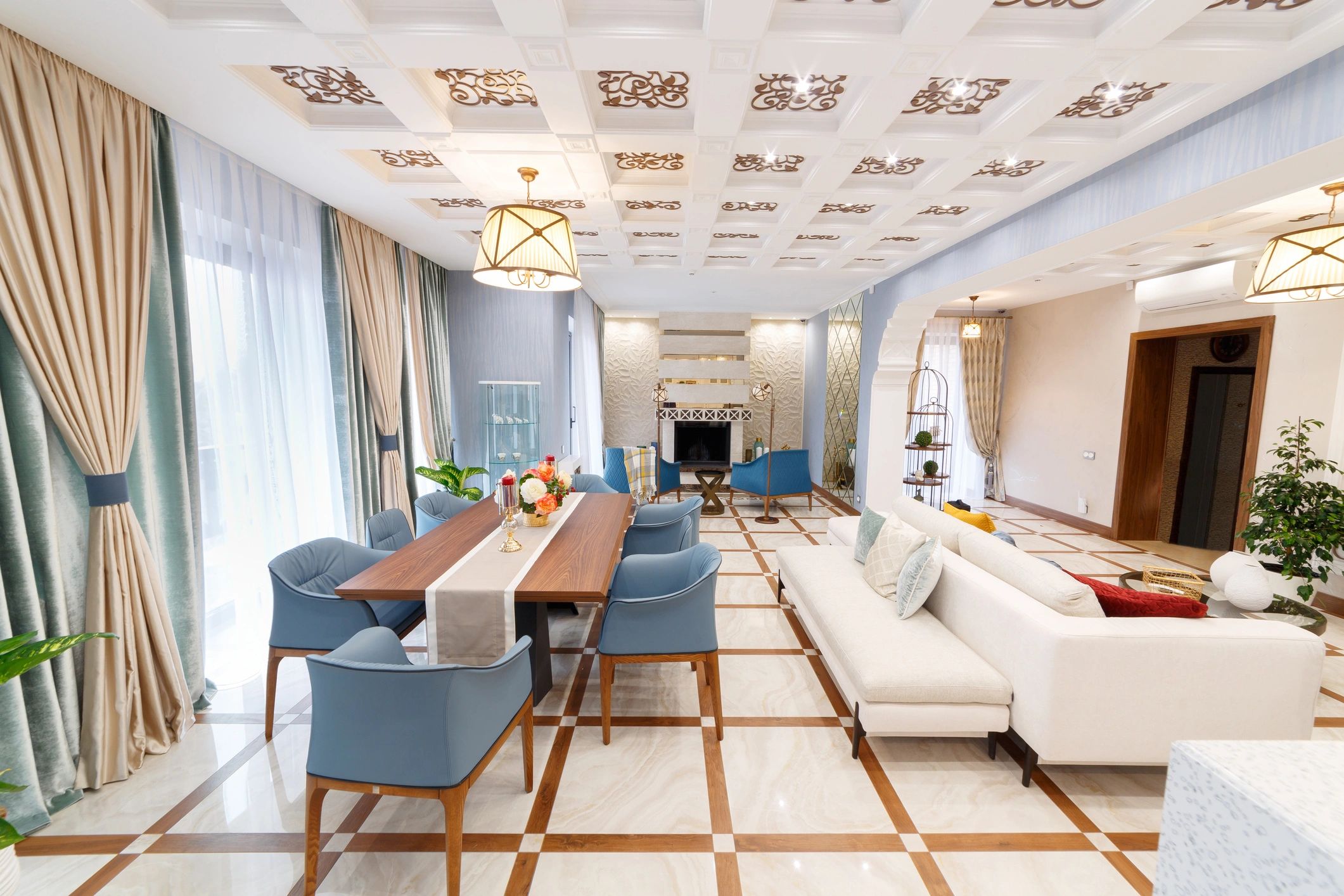
For many clients, the goal is a bunker that supports both emergency readiness and everyday peace of mind. That means the interior should not feel like a cramped shelter. It should feel like a refined underground residence with strong circulation, comfortable ceiling heights, durable finishes, and a layout that supports family life. In Baker County, where land availability can support larger footprints, it is possible to create more generous floor plans with dedicated sleeping zones, secure storage, utility separation, and private retreat areas.
Builders and property owners also need to think carefully about how a bunker is introduced onto the site. In a county defined by practical land use, the best projects often use understated architectural language above grade. A service building, agricultural structure, detached garage, or landscape-integrated access point can help the bunker remain visually quiet while still providing reliable ingress, egress, and maintenance access. This approach supports both discretion and long-term usability.

Builders, Systems, and Long-Term Readiness
Bunker builders working in Baker County should think beyond structural strength alone. A high-performing bunker requires coordinated systems: air handling, filtration, backup power, water storage, wastewater strategy, communications infrastructure, security layers, and maintainable mechanical access. The strongest projects are those where structural engineering and livability are developed together from the beginning. That is especially important for clients who want a luxury-forward bunker that can function as a true continuity residence rather than a short-term emergency shelter.
For rural Georgia properties, resilience often depends on redundancy. Backup generation, protected fuel strategy, layered ventilation, secure storage, and robust equipment rooms help the bunker operate through grid instability, severe weather, supply disruption, and broader emergency scenarios. Baker County’s land patterns can support these systems well when they are planned early and integrated into the site rather than added as afterthoughts.
Interior planning also matters. Families considering a bunker in Baker County often want calm, durable, residential-quality spaces that support extended stays without sacrificing comfort. Living rooms, kitchens, sleeping suites, pantry zones, command spaces, fitness or wellness rooms, and organized storage all contribute to a bunker that feels viable for real use. The objective is to create a secure underground environment that supports continuity of life, not merely survival in the narrowest sense.
Cities and Towns in Baker County
- Newton
- Patagonia
If you are planning a bunker project in Baker County, Bunker Construction Inc. can help shape a county-specific strategy that aligns structural performance, discreet property integration, and refined underground living. From land evaluation through layout planning, our team develops bunker concepts designed for long-term resilience and premium everyday usability.