United States
Bunker Construction in Virginia
Bunker Construction Inc. develops architecturally refined bunker concepts for Virginia clients seeking private protection, resilient infrastructure, and long-term underground living solutions. From estate-integrated bunkers in rural settings to hardened family shelters planned around discreet residential properties, each project is shaped around site conditions, security goals, and premium livability.

Virginia Planning
Designed for Virginia conditions
Virginia bunker construction requires careful coordination between mountain terrain, wooded estates, rolling farmland, tidewater conditions, and the privacy expectations that often shape high-end residential planning across the Commonwealth. Projects may range from discreet hardened shelters to expansive underground residences designed for continuity planning, family protection, and long-term luxury living.
From Northern Virginia estates and Shenandoah-adjacent properties to Richmond-area compounds, coastal parcels, and rural land in Southwest Virginia, each project benefits from a site-specific strategy that aligns structural hardening, drainage, access, utilities, and architectural discretion with the intended lifestyle outcome.
Key Virginia markets
- Northern Virginia
- Richmond region
- Hampton Roads
- Shenandoah Valley
- Southwest Virginia
Project priorities
- Estate integration
- Water and drainage planning
- Layered security systems
- Luxury residential comfort
- Long-duration resilience
Site strategy
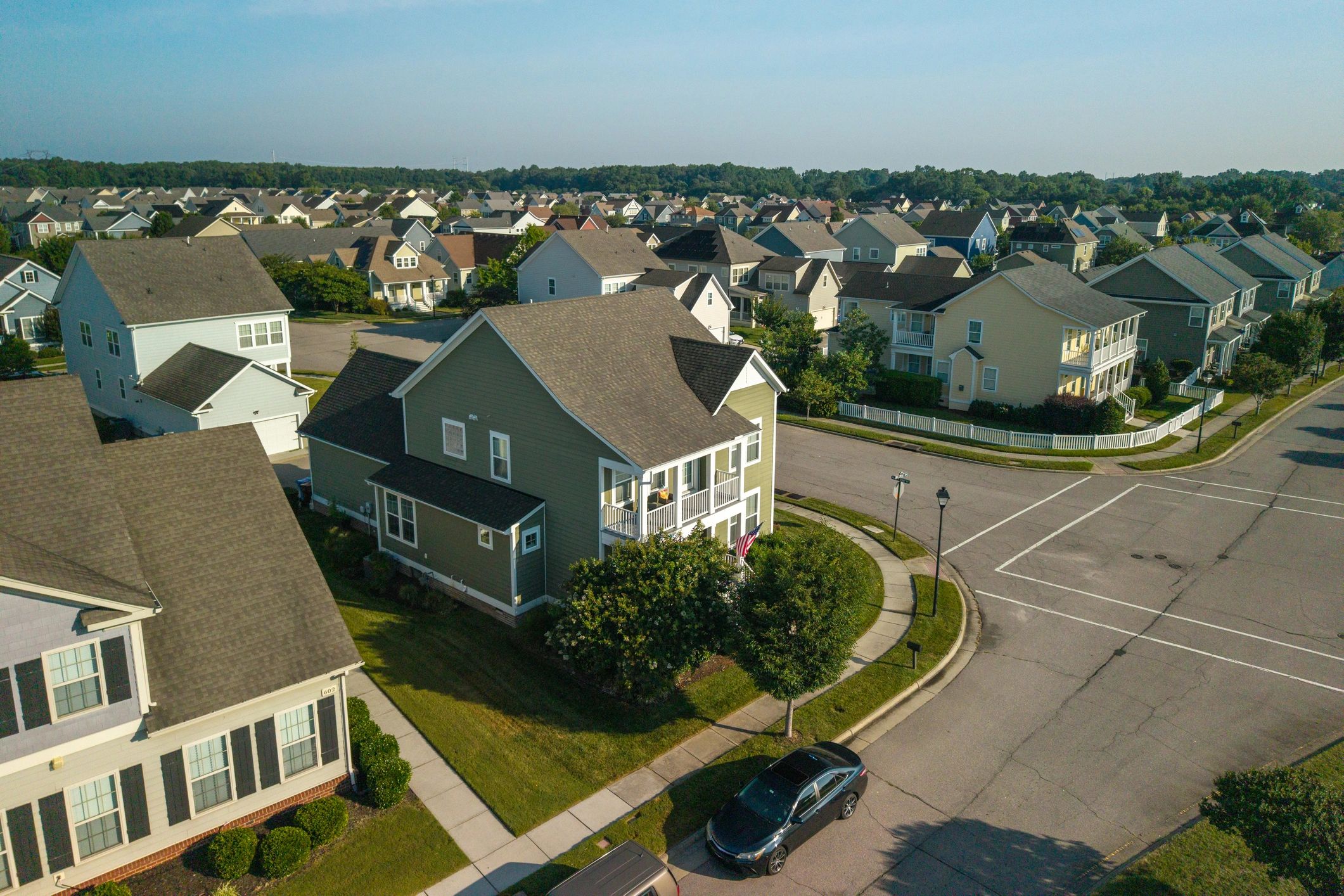
Virginia properties can vary from coastal and tidewater conditions to rolling farmland, wooded estates, and mountain-adjacent terrain. Early planning focuses on grading, drainage, water table considerations, access routes, and how the bunker integrates with the surrounding property.
In the Blue Ridge and Shenandoah regions, slope management, excavation sequencing, and discreet entry placement often shape the design. In coastal and low-lying areas, drainage engineering, waterproofing strategy, and utility protection become even more central to long-term performance.
Structural approach
Concrete-forward structural systems, reinforced entries, utility protection, and layered security planning are central to bunker construction in Virginia. Material selection and engineering direction depend on the project scale, occupancy goals, and desired level of hardening.
For larger residential concepts, structural planning may also account for garage access, concealed service zones, mechanical redundancy, protected storage, and the transition between above-ground architecture and underground living space.
Luxury living
For clients treating a bunker as a true residence or legacy asset, layouts can prioritize generous living areas, private suites, wellness spaces, food and water infrastructure, storage, and discreet above-ground connections that preserve the architectural quality of the estate.
Preparedness scope
Virginia clients often plan for family protection, infrastructure disruption, civil instability, continuity operations, and long-duration self-reliance. The right bunker program balances immediate life safety with comfort, endurance, and long-term usability.
Many projects also prioritize private family continuity, secure remote work capability, food and water independence, and a residential atmosphere that supports extended occupancy without sacrificing comfort, calm, or architectural quality.
Virginia counties we serve
Virginia bunker planning can be tailored for estate properties, agricultural land, mountain parcels, suburban compounds, and coastal-adjacent sites across the Commonwealth. County-level pages are listed below as part of our Virginia destination structure.
- Accomack County
- Albemarle County
- Alleghany County
- Amelia County
- Amherst County
- Appomattox County
- Arlington County
- Augusta County
- Bath County
- Bedford County
- Bland County
- Botetourt County
- Brunswick County
- Buchanan County
- Buckingham County
- Campbell County
- Caroline County
- Carroll County
- Charles City County
- Charlotte County
- Chesterfield County
- Clarke County
- Craig County
- Culpeper County
- Cumberland County
- Dickenson County
- Dinwiddie County
- Essex County
- Fairfax County
- Fauquier County
- Floyd County
- Fluvanna County
- Franklin County
- Frederick County
- Giles County
- Gloucester County
- Goochland County
- Grayson County
- Greene County
- Greensville County
- Halifax County
- Hanover County
- Henrico County
- Henry County
- Highland County
- Isle of Wight County
- James City County
- King and Queen County
- King George County
- King William County
- Lancaster County
- Lee County
- Loudoun County
- Louisa County
- Lunenburg County
- Madison County
- Mathews County
- Mecklenburg County
- Middlesex County
- Montgomery County
- Nelson County
- New Kent County
- Northampton County
- Northumberland County
- Nottoway County
- Orange County
- Page County
- Patrick County
- Pittsylvania County
- Powhatan County
- Prince Edward County
- Prince George County
- Prince William County
- Pulaski County
- Rappahannock County
- Richmond County
- Roanoke County
- Rockbridge County
- Rockingham County
- Russell County
- Scott County
- Shenandoah County
- Smyth County
- Southampton County
- Spotsylvania County
- Stafford County
- Surry County
- Sussex County
- Tazewell County
- Warren County
Major cities and towns
Alexandria, Arlington, Ashland, Blacksburg, Bristol, Charlottesville, Chesapeake, Colonial Heights, Danville, Fairfax, Falls Church, Fredericksburg, Front Royal, Hampton, Harrisonburg, Hopewell, Leesburg, Lexington, Lynchburg, Manassas, Martinsville, Newport News, Norfolk, Petersburg, Portsmouth, Radford, Richmond, Roanoke, Salem, Staunton, Suffolk, Virginia Beach, Waynesboro, Williamsburg, Winchester, Woodbridge, and Yorktown.
Regional planning focus
Northern Virginia often emphasizes privacy, estate integration, executive continuity, and discreet access near major population centers. Central Virginia supports larger residential compounds, legacy properties, and estate-scale bunker planning. The Shenandoah Valley and Southwest Virginia can offer terrain advantages for concealed siting, while Tidewater and coastal areas demand stronger drainage, waterproofing, and storm-resilient utility strategy.
Across Virginia, bunker planning can support discreet family compounds, executive continuity properties, agricultural estates, mountain retreats, and long-horizon preparedness strategies shaped around privacy, resilience, and refined underground living.