Insights
Cosmic Disbelief
Asteroids, rogue objects, solar violence, atmospheric instability, and orbital debris are not science fiction themes. They are low-frequency, high-consequence realities that remind serious families why resilient, secured living matters.
Space Risks Worth Respecting
The sky looks calm until it is not. Serious preparedness requires acknowledging that some of the most disruptive threats come from beyond borders, beyond politics, and beyond human control.

Impact Risk
Asteroids And Rogue Objects
Near-Earth objects range from small bodies that burn up harmlessly to larger masses capable of regional or global devastation. Even a non-extinction-level strike can destroy infrastructure, ignite fires, contaminate water systems, disrupt communications, and trigger long-duration supply failures.
Solar Threat
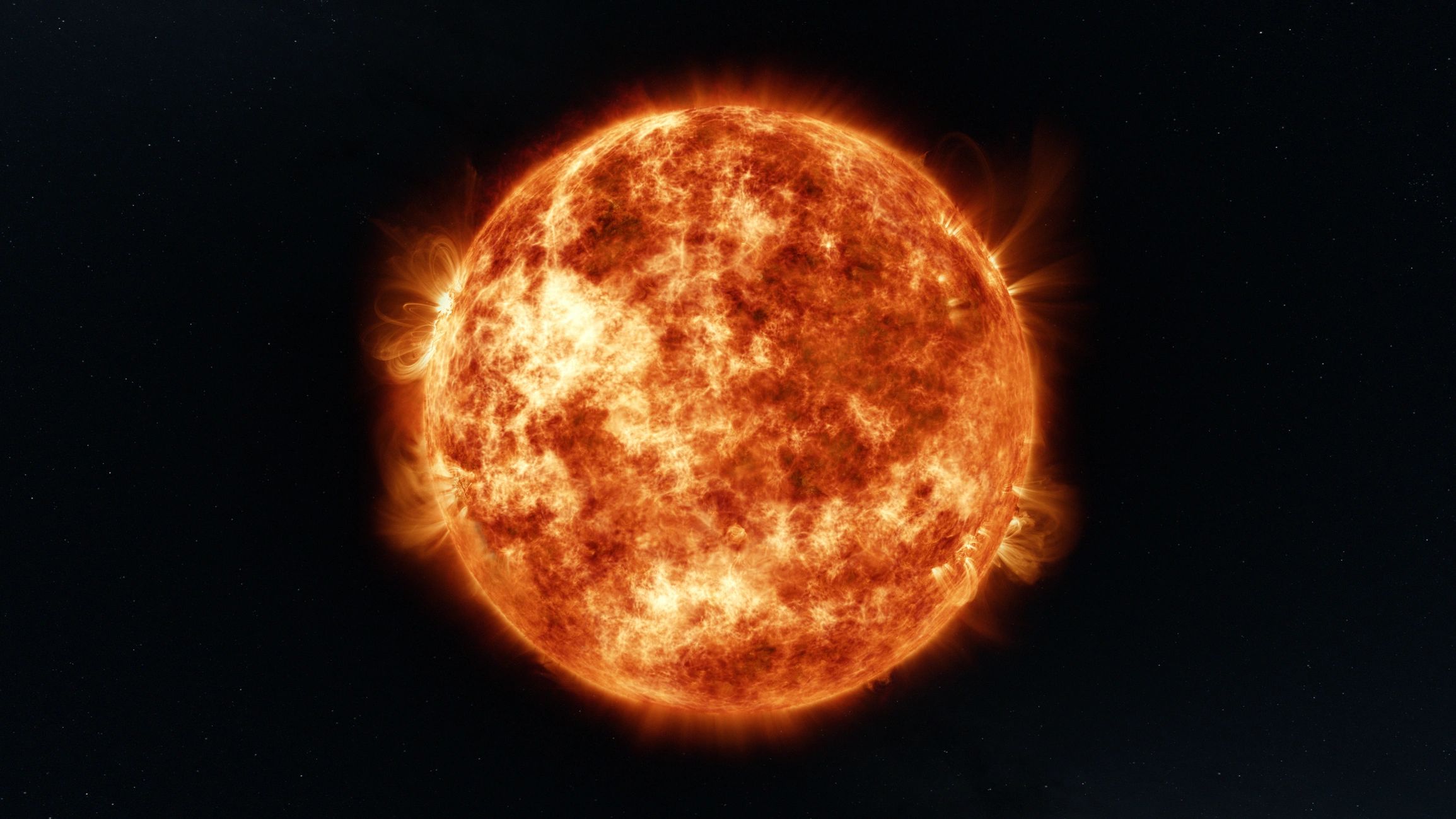
The Sun And Its Cycles
Solar storms, coronal mass ejections, and geomagnetic disturbances can damage transformers, satellites, navigation systems, and communications networks. A severe event can create cascading failures across finance, logistics, fuel distribution, refrigeration, and emergency coordination.
Atmosphere
The Atmosphere Is Not A Guarantee
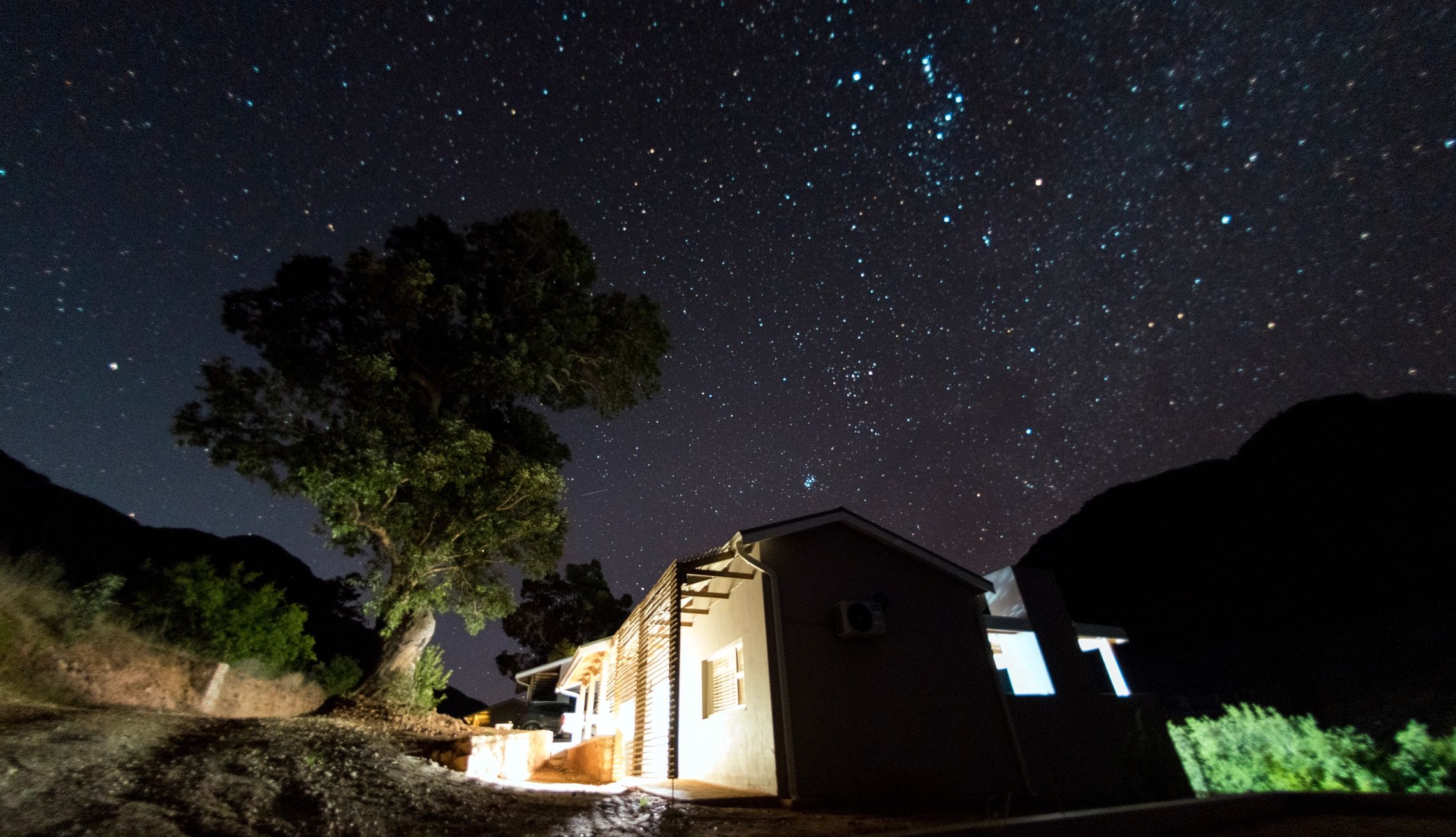
Earth’s atmosphere protects life, but it is not a perfect shield. Airbursts, reentry debris, radiation interactions, and pressure effects can still produce destructive outcomes. The atmosphere reduces some threats, yet it can also turn incoming objects into shock events over populated regions.
Preparedness
What Cosmic Threats Actually Mean On The Ground
Most people imagine cosmic threats as instant-ending events. The more realistic danger is often systemic breakdown. A major strike or solar event can disable substations, interrupt fuel movement, halt trucking, shut down payment systems, and fracture public order through scarcity and confusion.
Comets, meteoroids, orbital debris, and atmospheric events do not need to end civilization to make ordinary life unrecognizable. If refrigeration fails, medicine degrades. If satellites fail, routing and timing systems weaken. If transport stalls, shelves empty. If panic spreads, your greatest problem quickly becomes human behavior under pressure.
That is why bunker planning is not built on fantasy. It is built on continuity: air, water, power, storage, shielding, communications, sanitation, and the ability to remain stable while the surface world absorbs shock.