Insights
Your Neighbor
A secured residence is not only about storms, grids, or headlines. It is also about what happens when ordinary people run out of power, food, cash flow, medicine, patience, and options. In prolonged disruption, the unprepared neighbor can become the most immediate pressure point at your gate, your driveway, and your perimeter.
Why the neighbor matters
Most preparedness conversations focus on distant threats. Real-world pressure usually arrives locally. When utilities fail and supply chains stop, nearby households begin making fast decisions under fear, shame, anger, and desperation. That is why bunker planning is also neighborhood-risk planning.

Pressure
What happens when the lights stay off
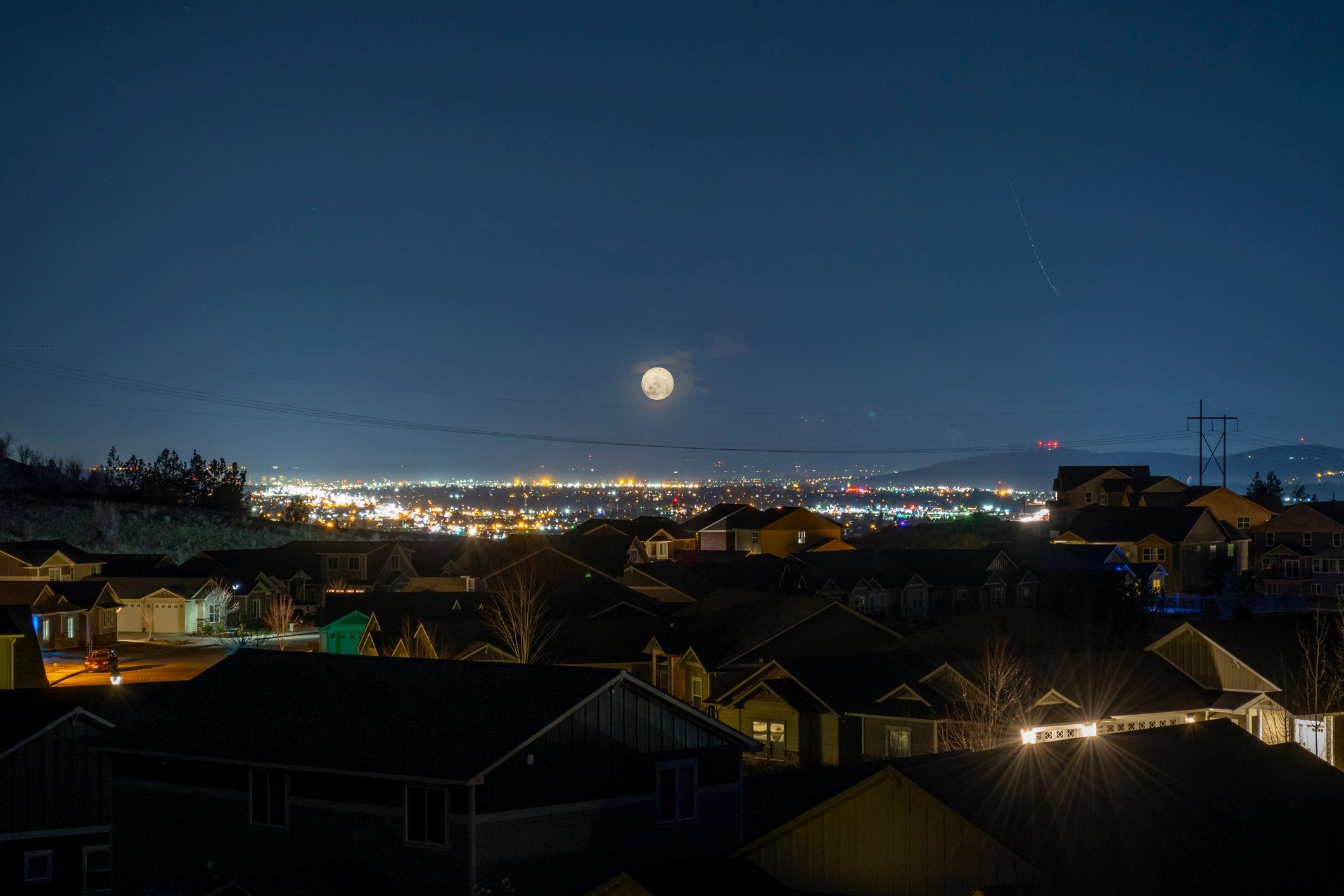
A short outage is an inconvenience. A long outage changes behavior. Refrigerators warm, phones die, pumps stop, fuel becomes scarce, ATMs fail, and confidence collapses. People who assumed the system would return by morning begin looking outward for help, answers, and resources.
Behavior
What an unprepared neighbor may do
Most people are not villains. They are simply unprepared. But desperation changes conduct. A neighbor who once waved from the driveway may begin asking repeated questions, watching deliveries, counting generators, noticing lights, or testing boundaries. In severe conditions, requests can become demands.
Reality
No food, no job, no plan
When a household loses income and access to stores at the same time, the crisis becomes personal very fast. Parents panic. Medication runs low. Vehicles sit empty. Children need food. Pride erodes. People start rationalizing actions they would have rejected in normal life. That is the moment secured living stops being theoretical and becomes practical.
Secured living
Preparedness is also perimeter management
A bunker is not only a shelter from blast, weather, biological events, or infrastructure failure. It is also a way to reduce exposure to unstable human behavior during prolonged scarcity. The more resilient your systems are, the less you need to negotiate with panic outside your walls.
Privacy and discretion
Quiet infrastructure, controlled access, concealed storage, and thoughtful site planning reduce the chance that your household becomes the obvious answer to someone else’s emergency.
Continuity under pressure
Power, water, air, food storage, sanitation, and layered security allow your family to remain calm and functional while surrounding households struggle with uncertainty.