Bunker Types
Off-Grid Bunkers Built for Independent Living
Off-grid bunkers are designed for clients who want resilient underground living supported by independent power, water, air, food storage, and operational systems that can function with minimal outside dependence. Bunker Construction Inc. approaches these environments as private residences with hardened infrastructure, combining long-duration continuity, architectural discipline, and the kind of livability required for serious independent living across uncertain conditions.
Overview
Engineered for Self-Sustaining Security
An off-grid bunker must function as more than a shelter. It should operate as a complete underground residence with dependable infrastructure, efficient circulation, and systems selected for long-term independence. The strongest concepts are planned around how people actually live: where supplies are stored, how utilities are maintained, how private rooms are separated from technical areas, and how the residence remains calm and usable during prolonged disruption or remote occupancy.
Independent Utilities
Integrated power generation, battery storage, water treatment, ventilation, reserve fuel strategy, and serviceable backup systems reduce dependence on fragile outside networks and create a more stable operating profile for extended occupancy.
Residential Comfort
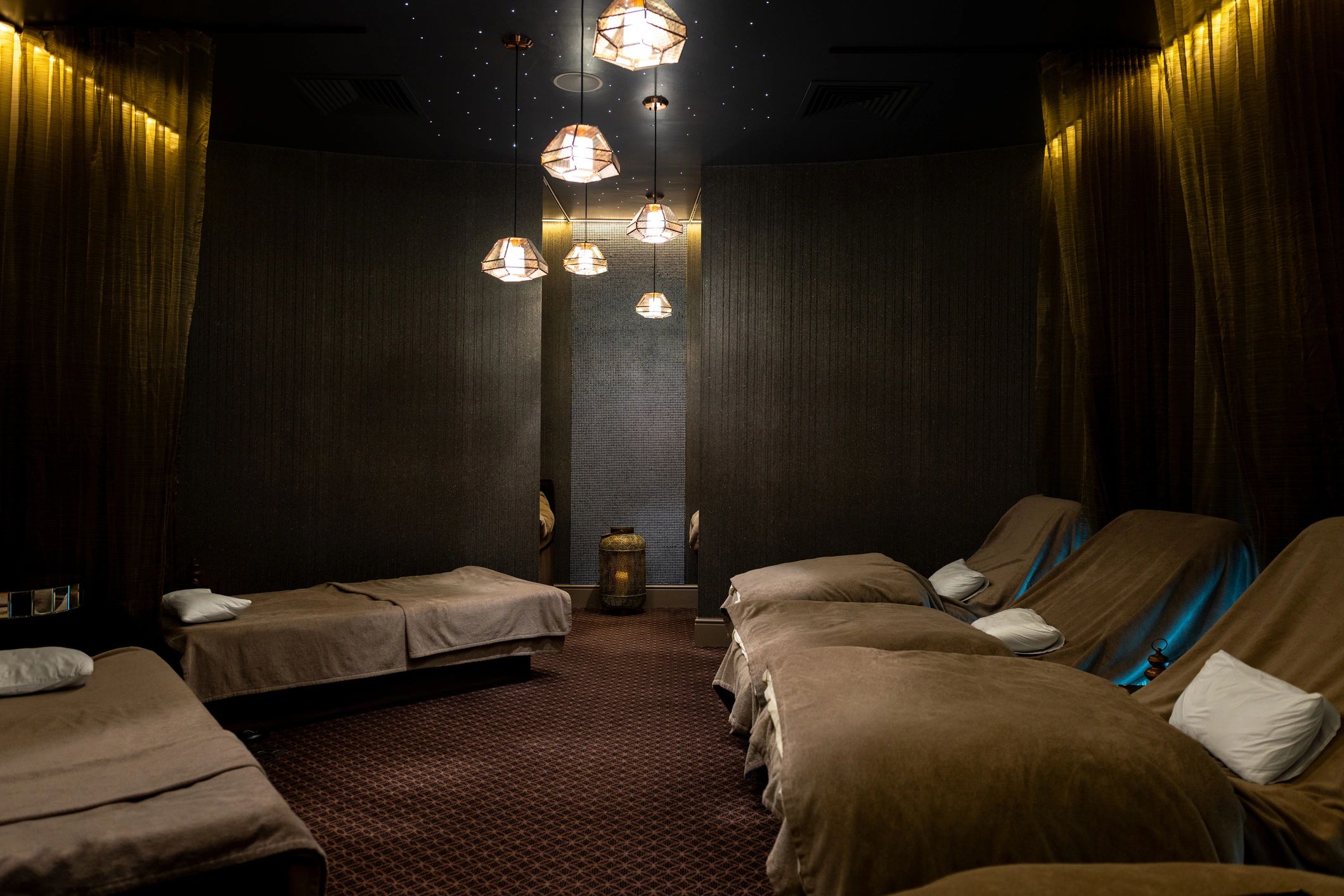
High ceilings, organized living zones, durable finishes, acoustic control, and carefully planned support rooms help transform hardened space into a livable private environment that feels composed rather than improvised.
Key Systems
What Defines an Off-Grid Bunker
The strongest off-grid bunker concepts combine hardened construction with layered utility planning. Each system should support autonomy while remaining serviceable, efficient, and scalable. That means thinking beyond equipment lists and designing a complete operational ecosystem that can support daily routines, maintenance access, storage turnover, and long-duration family occupancy without unnecessary operational friction.
Power Resilience
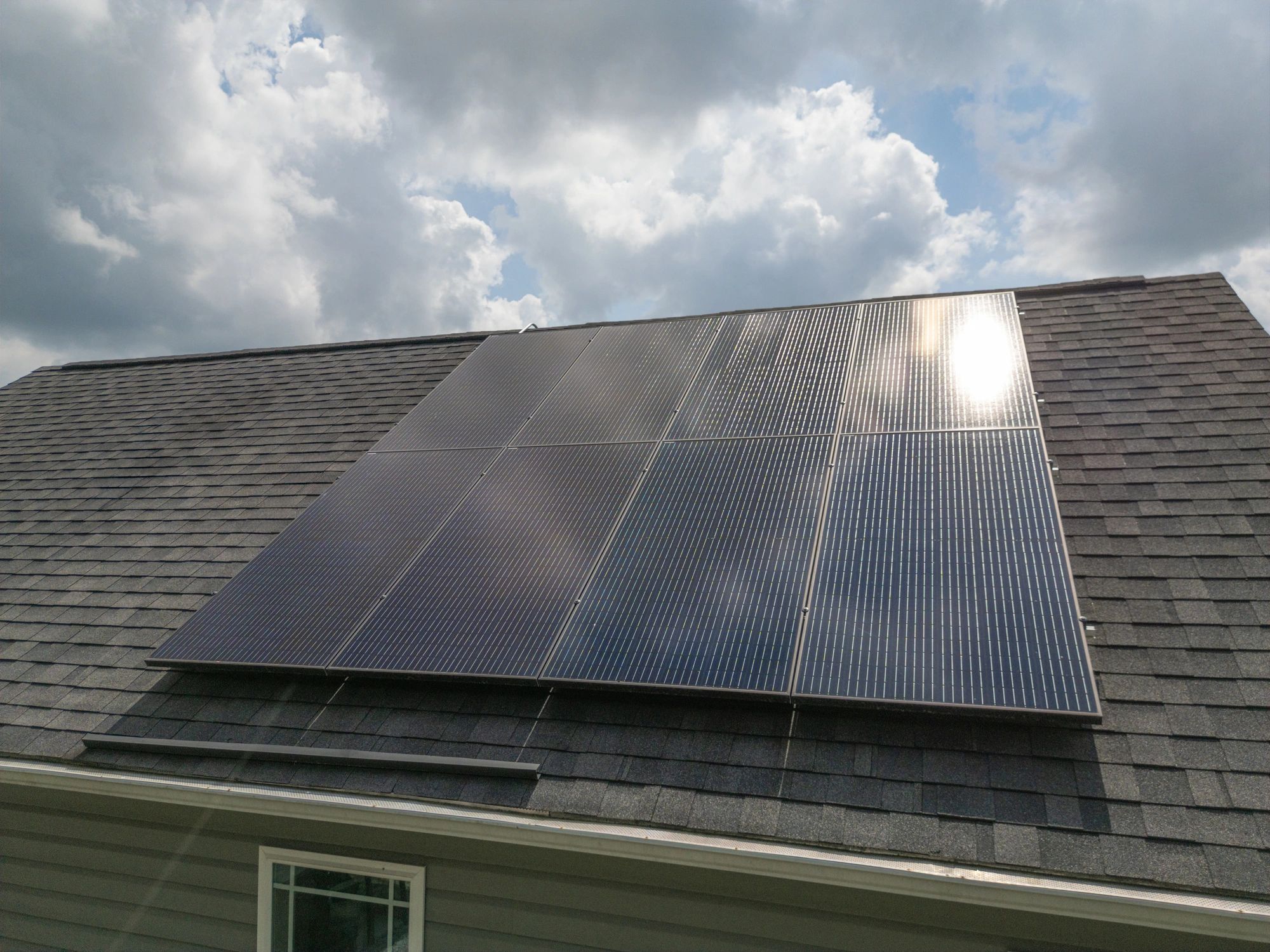
Solar integration, generator backup, battery banks, electrical load planning, and prioritized critical circuits create a more stable operating profile for extended occupancy while reducing strain on core systems during uncertain conditions and helping the residence remain more self-directed over time.
Water Independence
Storage, filtration, treatment, pressure management, and redundancy planning support potable water access, sanitation, and daily living requirements during prolonged disruptions when municipal systems may be unavailable or unreliable.
Air and Environmental Control
Ventilation, filtration, humidity management, and mechanical zoning help maintain interior comfort and operational readiness.
Storage and Support Space
Food reserves, equipment rooms, maintenance access, and secure utility areas are planned to support practical long-term use.
Applications
Off-Grid Bunker Priorities
Different clients approach off-grid bunker construction with different operational goals, but the planning framework should always balance protection, livability, and system independence.