Bunker Types
Explore bunker types for modern living
Explore the principal bunker categories shaping secure underground living, from discreet family-ready shelters to expansive luxury residences engineered for continuity, comfort, privacy, and long-term architectural value.
Six core bunker categories
Each bunker type reflects a different balance of residential comfort, family protection, structural hardening, and systems independence. This overview helps clients compare strategic directions before moving into plan selection or custom construction, clarifying which category best aligns with lifestyle expectations, site conditions, occupancy goals, and long-range preparedness priorities.
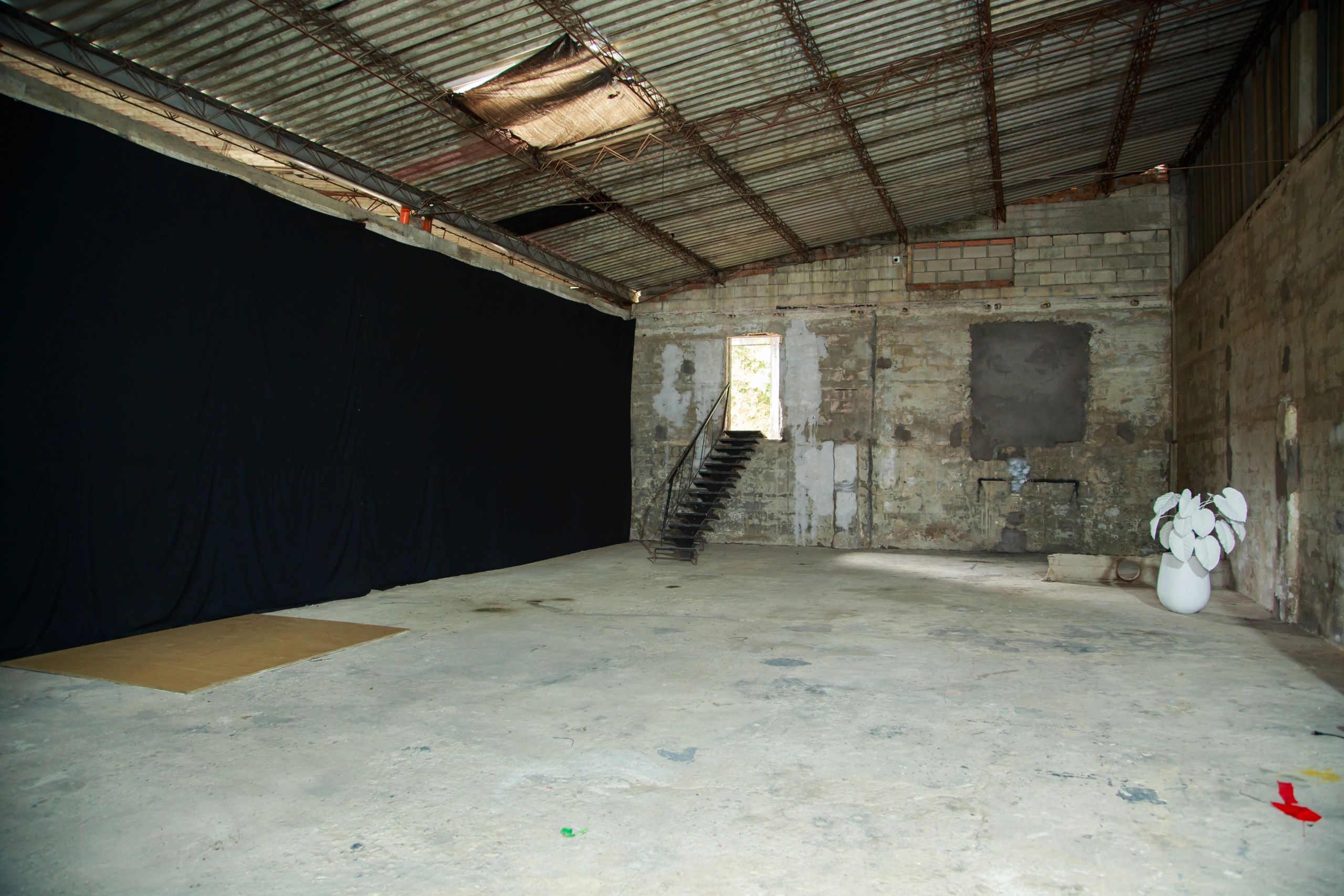
Survival bunkers
Designed around essential life safety, dependable core systems, and efficient long-duration shelter, with practical layouts that support calm, disciplined living during disruptive events.
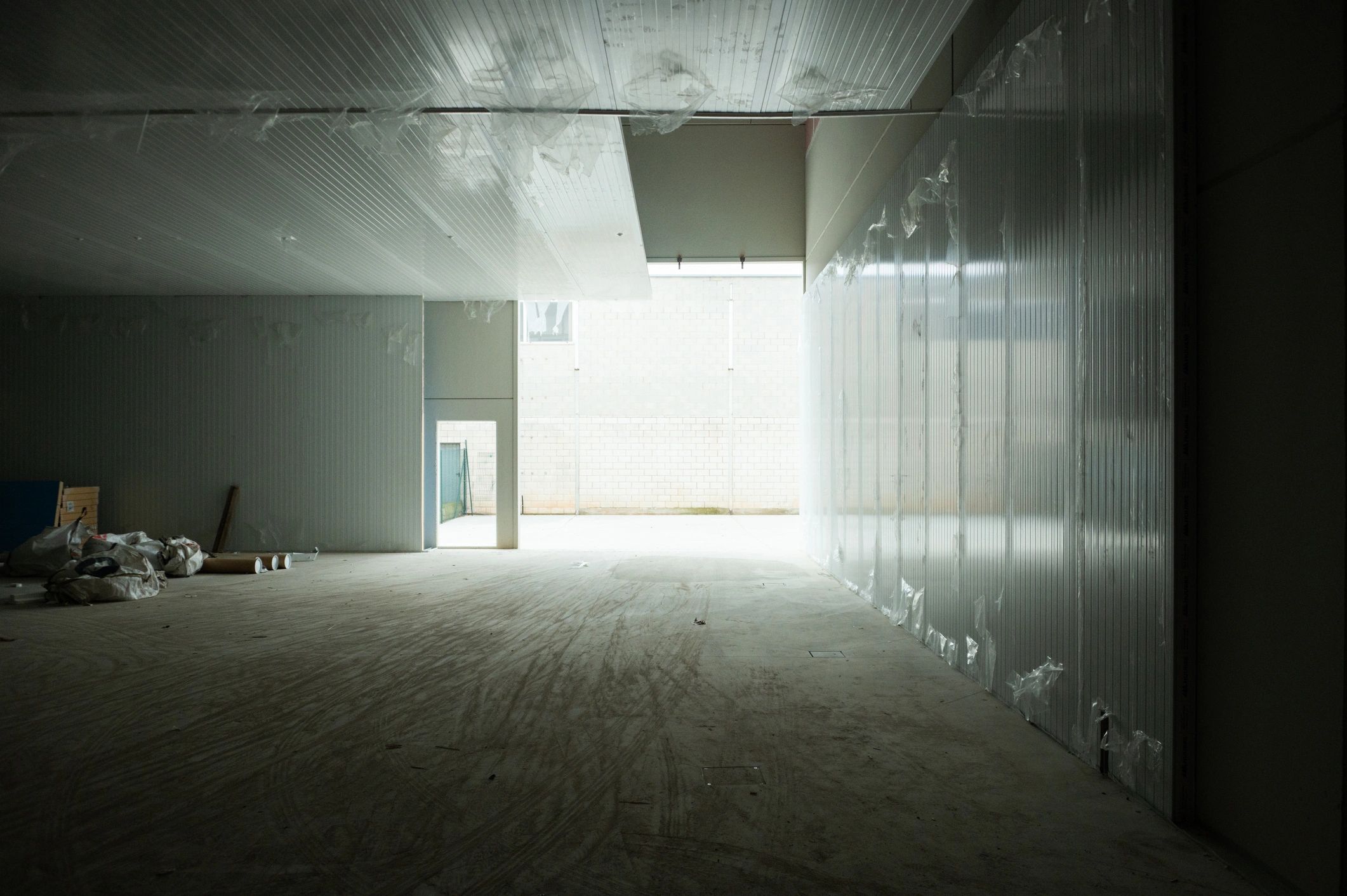
Concrete bunkers
Engineered around structural mass, durability, and secured performance for demanding conditions where longevity, confidence, and serious structural integrity are central priorities.
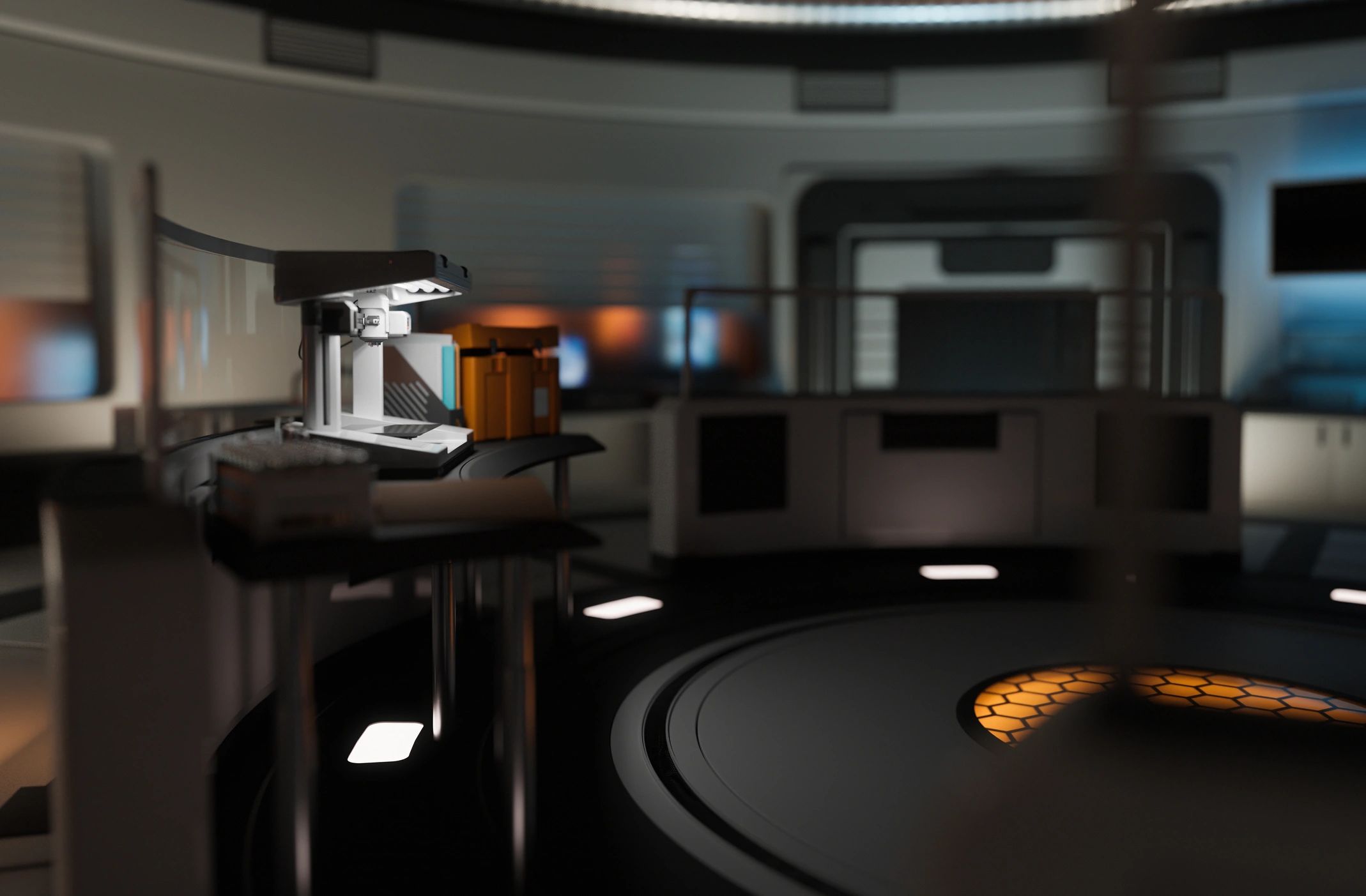
Doomsday bunkers
Planned for long-duration continuity with layered systems, redundancy, self-sufficiency, and the operational depth required for advanced preparedness and extended independent occupancy.
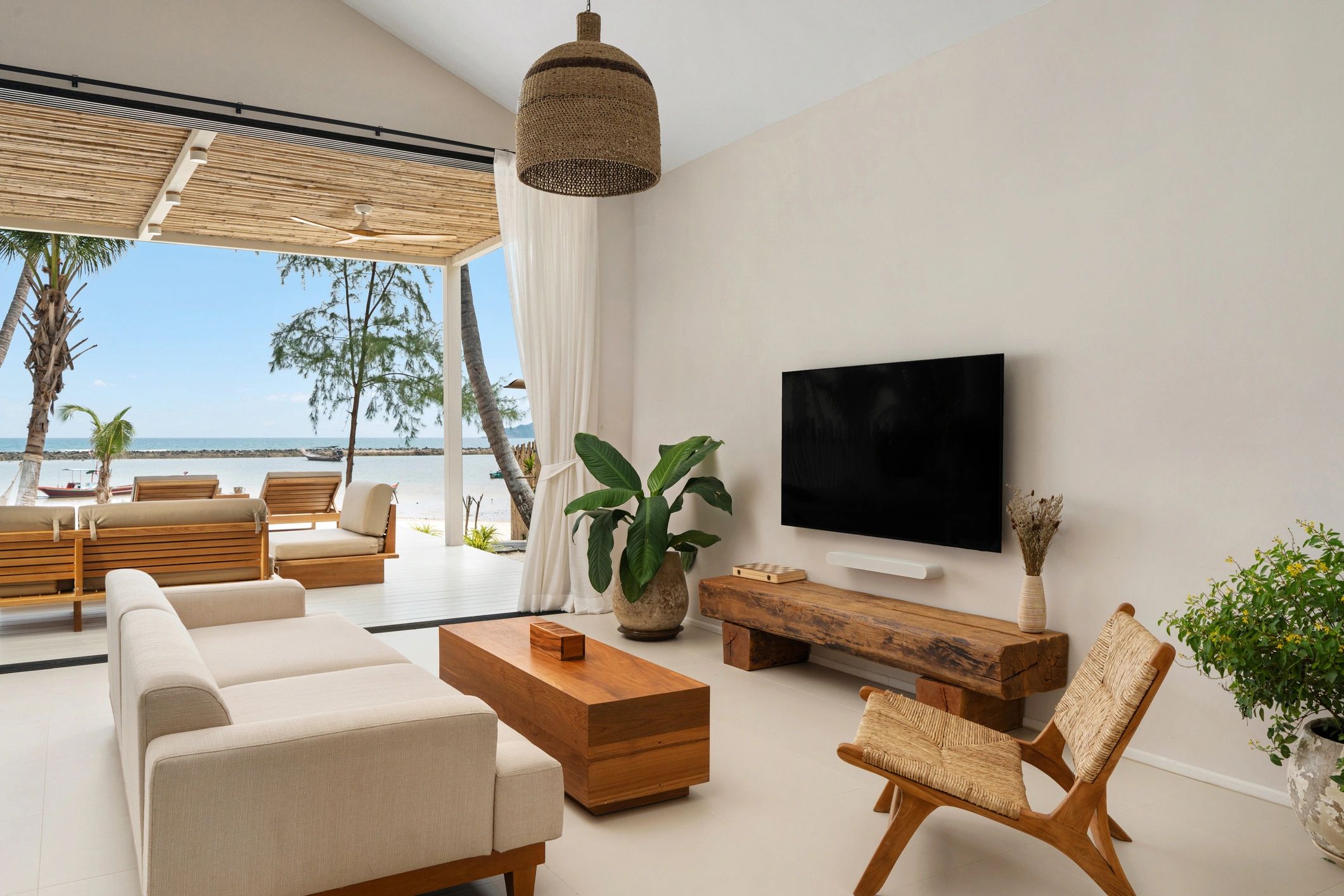
Luxury bunkers
Combining secured construction with elevated interiors, generous layouts, residential comfort, and premium architectural presentation for clients who expect security without compromise.
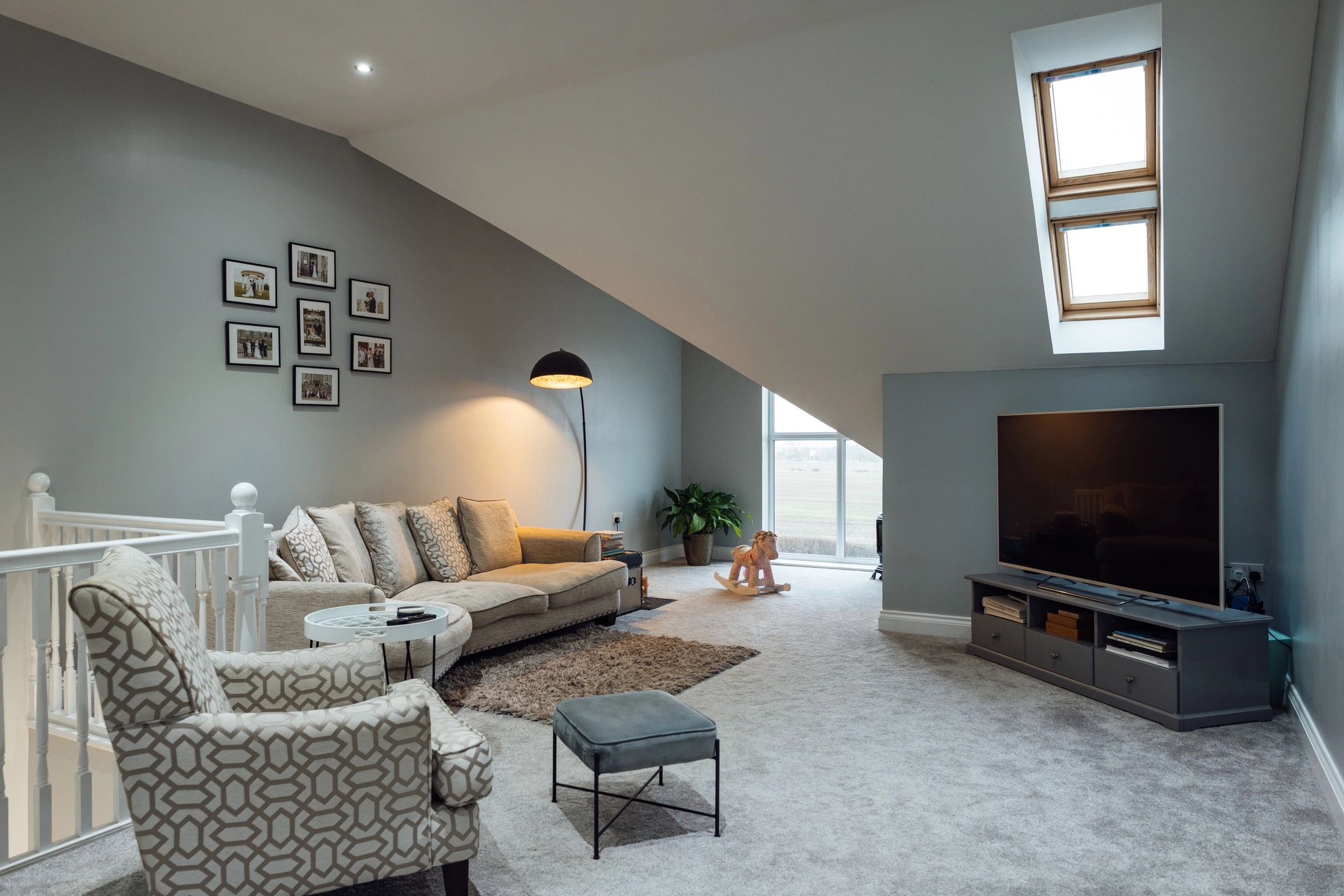
Family bunkers
Organized around private sleeping zones, shared living areas, storage, and practical day-to-day function for households that want protection, comfort, and family continuity planned together.
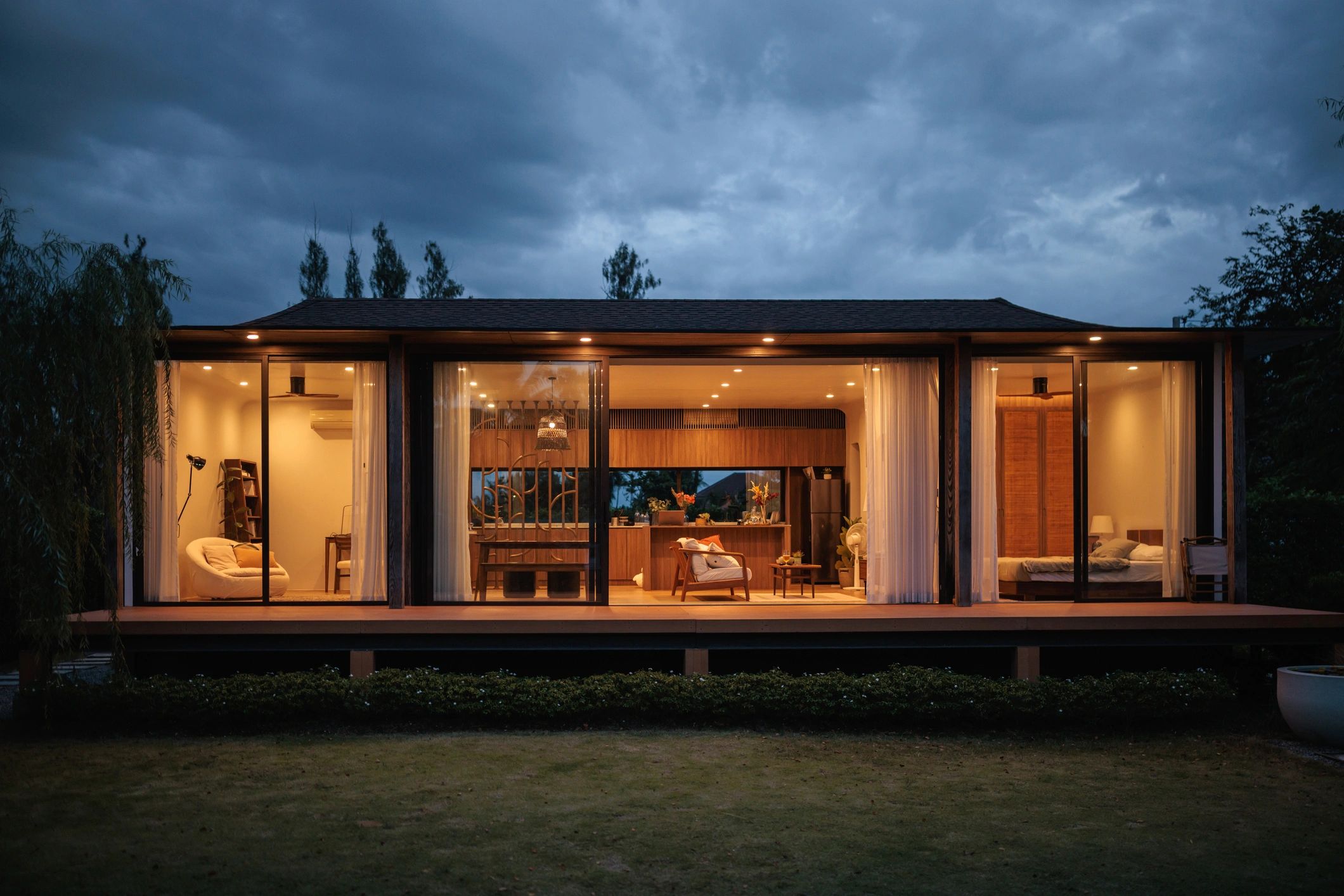
Off-grid bunkers
Focused on independent utilities, water strategy, power resilience, and autonomous operation for clients seeking greater control over daily life and long-term resilience.
Selection guide
How to evaluate bunker types
The right bunker category is rarely defined by threat alone. It is shaped by intended occupancy, desired finish level, autonomy requirements, site conditions, and whether the project is meant to function as a discreet shelter, a secured retreat, or a primary underground residence with lasting architectural quality.
Occupancy and lifestyle
Determine whether the space is designed for short-term refuge, seasonal use, or full-time living with higher ceilings, larger kitchens, wellness spaces, private suites, and the spatial quality expected of a true residence.
Protection and hardening
Structural depth, wall systems, blast resistance, filtration, and compartmentalization all influence which bunker type is appropriate for the intended risk profile and the level of protection a family expects to maintain.
Systems independence
Power generation, water storage, air handling, waste strategy, and food capacity distinguish basic shelters from true off-grid and continuity-focused bunkers capable of supporting stable long-term occupancy.
Construction pathway
Some clients begin with construction-ready plans on a defined budget, while others pursue a fully custom bunker tailored to site, family, and operational objectives.
Design priorities
Luxury, protection, and continuity
Modern bunker design increasingly merges secured engineering with architectural restraint. The strongest projects are planned not only for survival, but for calm daily use, privacy, circulation, storage, family comfort, and the confidence to live well through uncertainty.
Residential planning
Luxury and family bunker categories prioritize refined material palettes, organized zones, and comfortable long-duration living that feels intentional rather than improvised.
Operational resilience
Concrete, doomsday, and off-grid categories emphasize structural integrity, redundancy, and dependable systems designed to perform when conventional infrastructure becomes uncertain.