Underground Living Reimagined
Explore how secure underground environments can be planned as refined, livable residences with architectural clarity, privacy, resilience, and long-term comfort built into every square foot. This page frames underground living as a serious design discipline where protection, infrastructure, and lifestyle quality are developed together rather than in isolation.
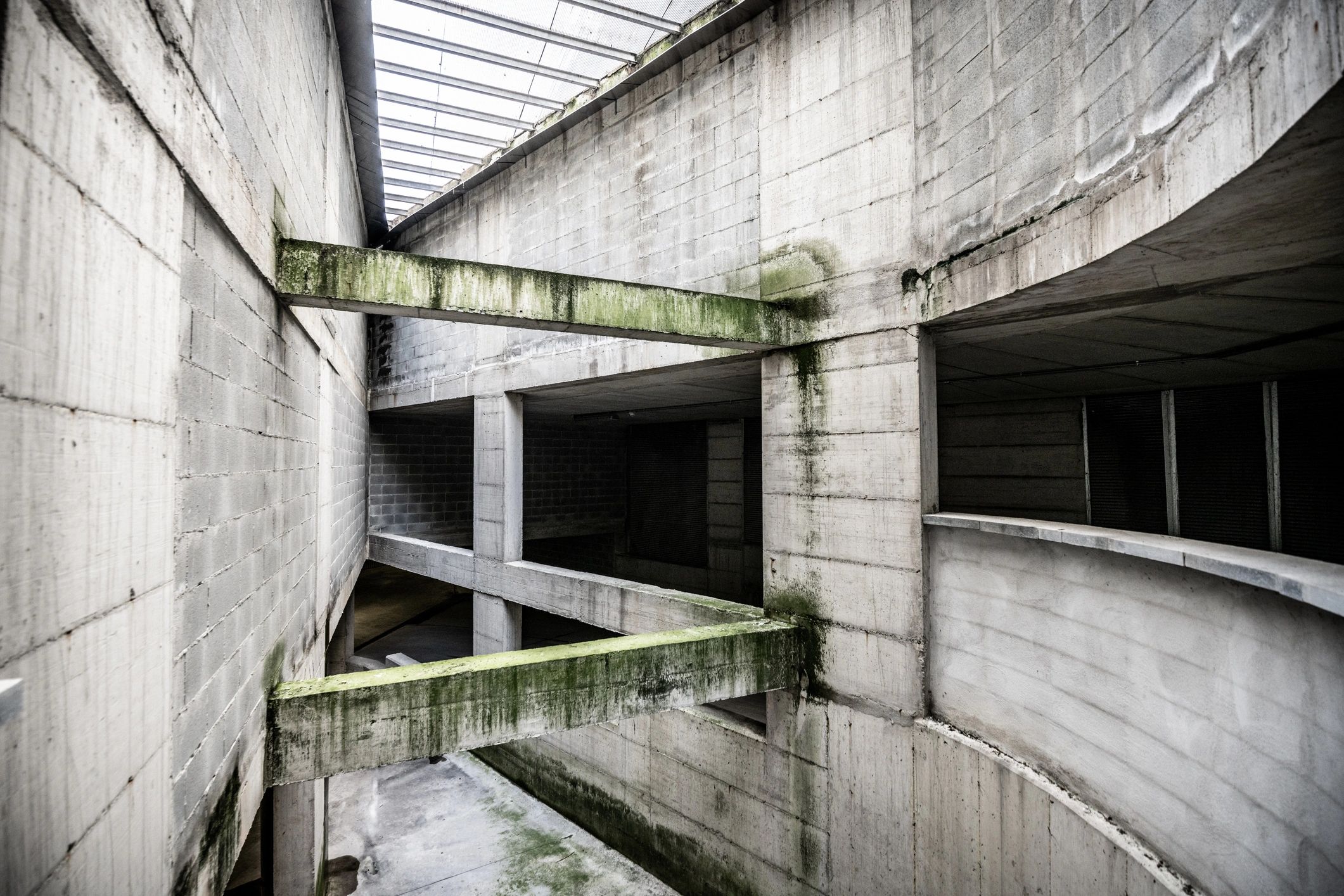
Concept
Designed for daily life
Underground living concepts have evolved far beyond the idea of a last-resort shelter. At the premium end of the market, they represent a new residential category where structural hardening, refined planning, discreet circulation, and advanced life-support systems are integrated into an environment that feels calm, private, and fully livable. The objective is not merely to endure below grade, but to create a residence that supports daily family life, focused work, long-term comfort, and continuity with architectural confidence.
For many clients, the appeal begins with lifestyle. A well-designed underground residence offers privacy, acoustic separation, environmental control, and a level of intentional planning that is difficult to achieve in conventional homes. Family protection follows naturally from that foundation, with hardened envelopes, secure access strategies, and resilient systems built into the architecture. Preparedness then becomes the third layer: a practical response to uncertainty that is measured, credible, and designed for long-duration performance rather than short-term reaction.
Residential planning
The strongest concepts begin with how people actually live. Layouts are organized around natural movement, generous gathering spaces, private suites, integrated storage, and utility zones that support extended occupancy without sacrificing elegance, order, or a sense of ease.
Protected infrastructure
Air handling, water strategy, power redundancy, communications, and hardened structural assemblies are treated as part of the architecture from the beginning. This systems-first approach allows the residence to operate as a unified environment with resilience built into every layer.
Long-term livability
True underground living is defined by duration, not novelty. Light quality, ceiling height, material warmth, privacy, wellness features, and maintenance access all influence whether a bunker feels temporary or genuinely residential. The difference is what transforms a hardened structure into a place people can inhabit with confidence.
Core elements of underground living
A successful underground residence must balance protection, livability, and operational independence across multiple design priorities, from spatial comfort and privacy to maintenance access and long-term systems reliability.
Spatial comfort
Higher ceilings, wider passages, layered lighting, and carefully proportioned rooms reduce confinement and create a more residential experience that feels intentional rather than improvised.
Private wellness
Concepts may include fitness rooms, recovery spaces, quiet lounges, and wellness-focused suites that support long-duration occupancy while improving the emotional quality of underground life.
Operational resilience
Independent power, water storage, filtration, communications, and secure access planning help maintain continuity during disruption.
Family function
Multi-room configurations can support children, guests, staff, and multi-generational living with privacy and efficient shared zones.
Discreet security
Arrival sequences, compartmentalization, surveillance integration, and hardened entries can be incorporated without compromising aesthetics.
Luxury finish
Material palettes, millwork, acoustics, and climate control elevate the environment from survival space to premium underground residence.
How the experience is shaped
Underground living succeeds when technical systems and architectural atmosphere are developed together from the beginning.
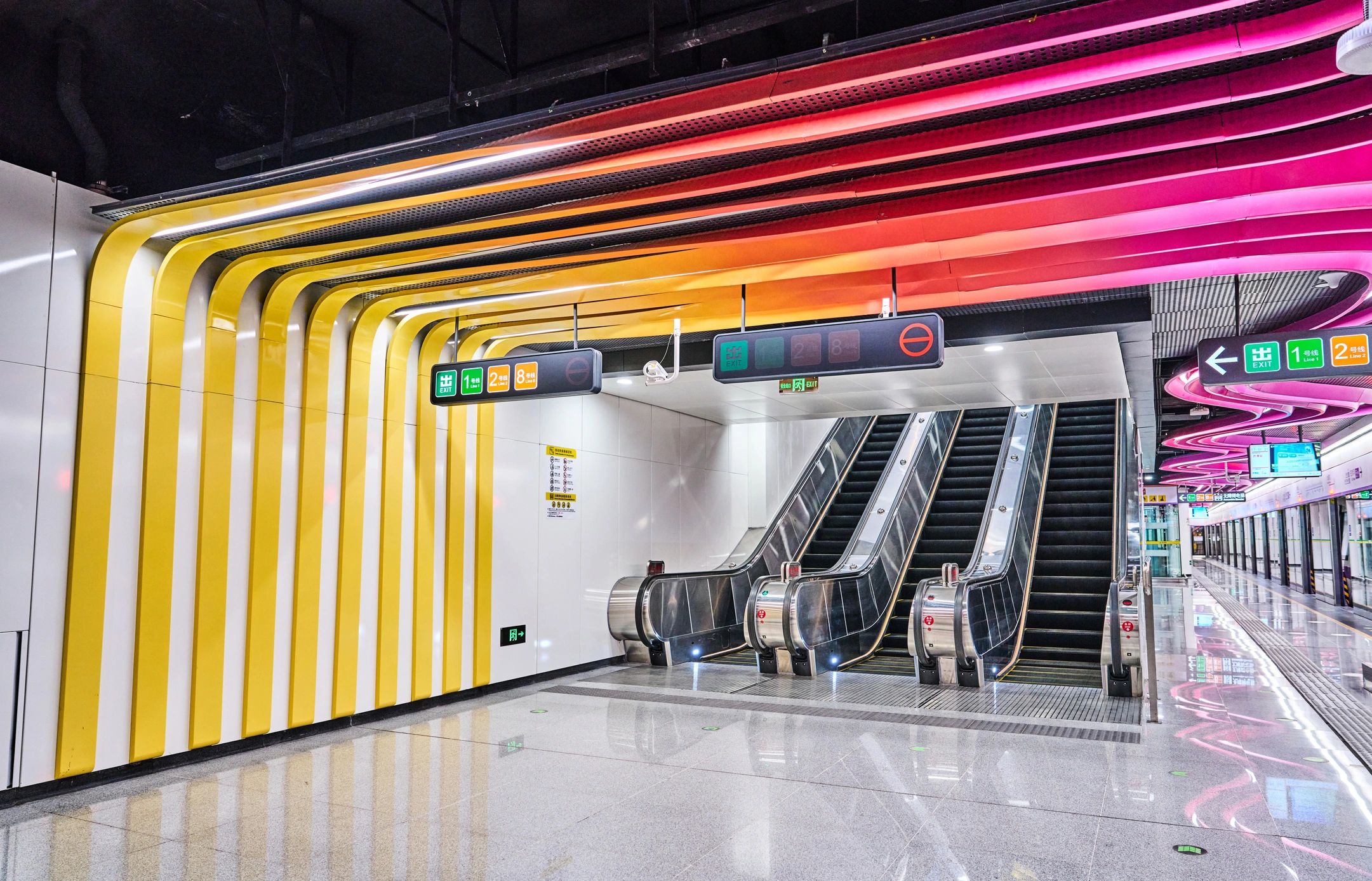
Arrival and transition
Entry sequences should feel controlled, discreet, and calm, moving occupants from the surface into a secure interior without visual harshness.
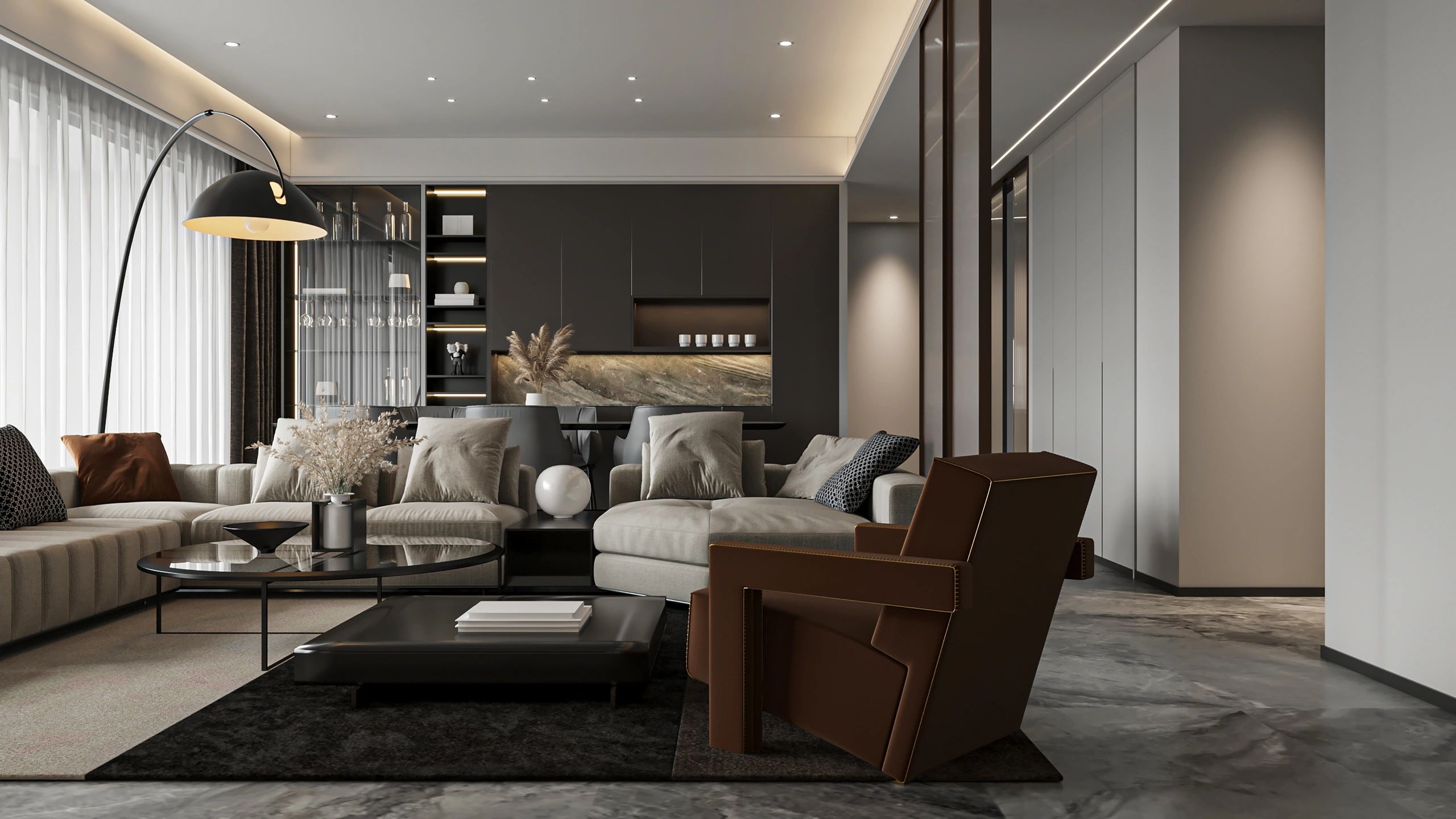
Light and mood
Layered illumination, reflective surfaces, and tonal restraint help create depth, rhythm, and psychological ease below grade.
Storage and support
Food, water, equipment, and maintenance functions need dedicated planning so primary living areas remain uncluttered and refined.
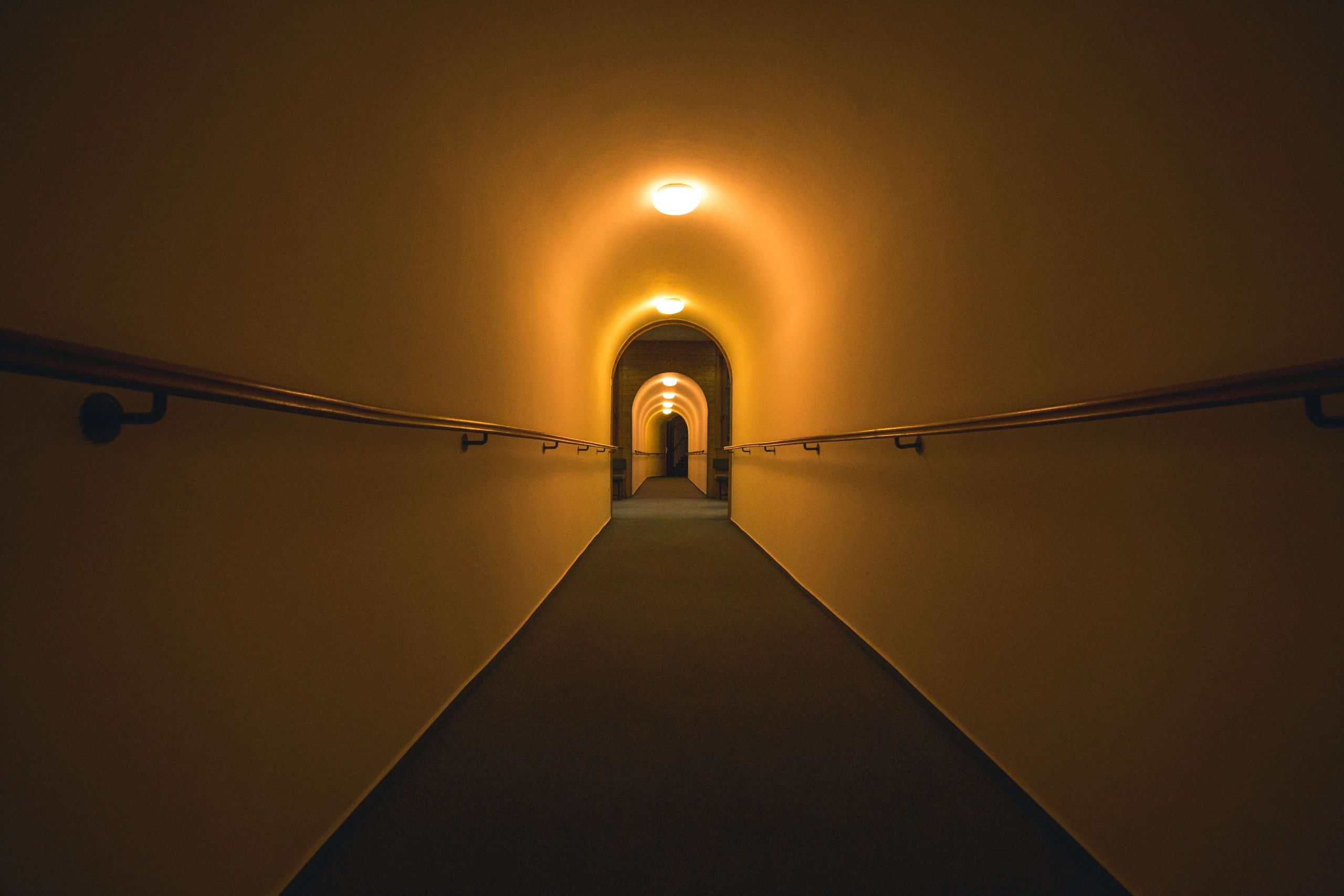
Long-term adaptability
Flexible rooms can shift between family living, guest accommodation, work, wellness, and preparedness functions over time.