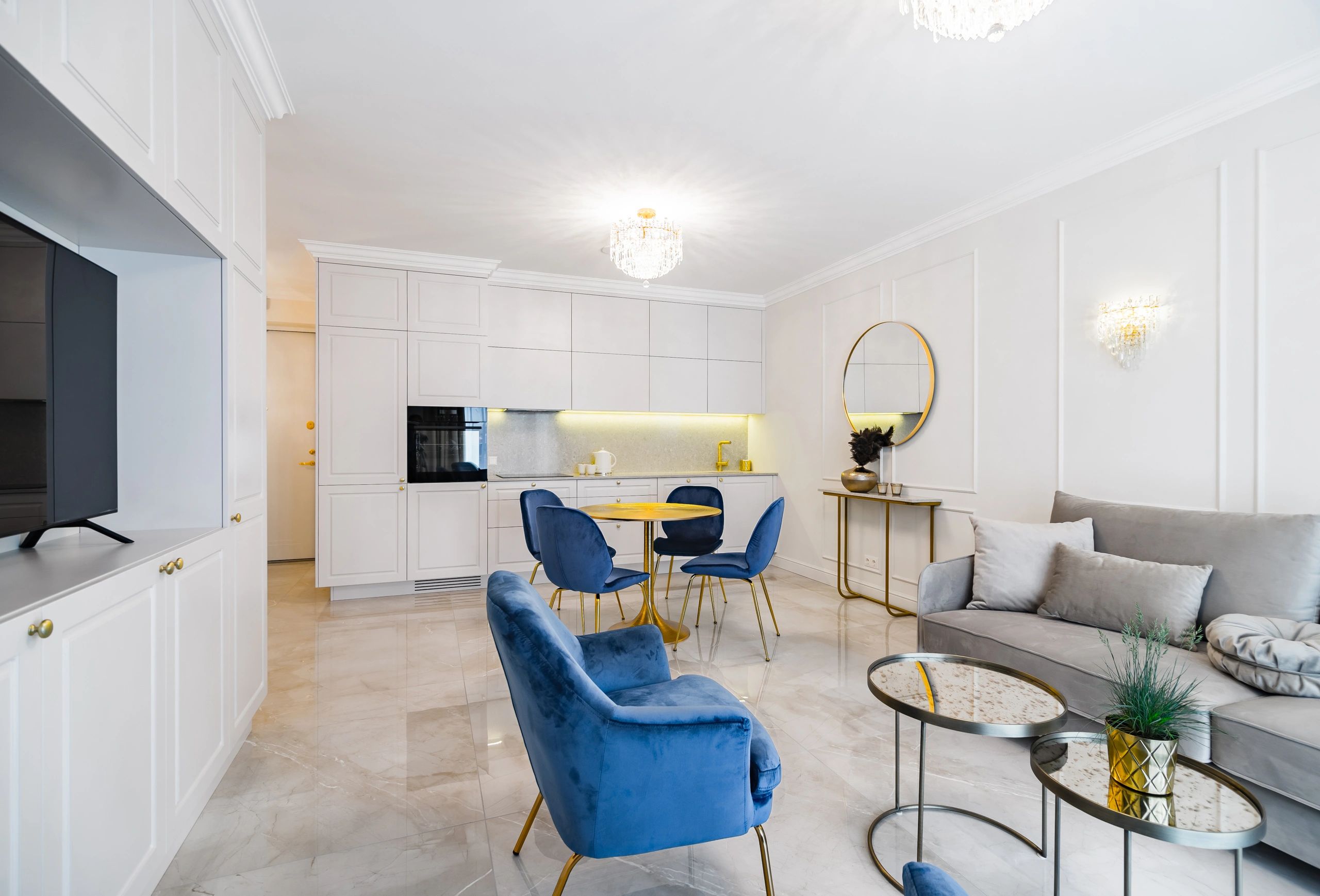
Bunker Types
Concrete Bunkers Built For Long-Term Protection
Concrete bunkers deliver structural mass, secured performance, and architectural flexibility for clients seeking underground living that feels permanent, composed, and ready for long-term family continuity.
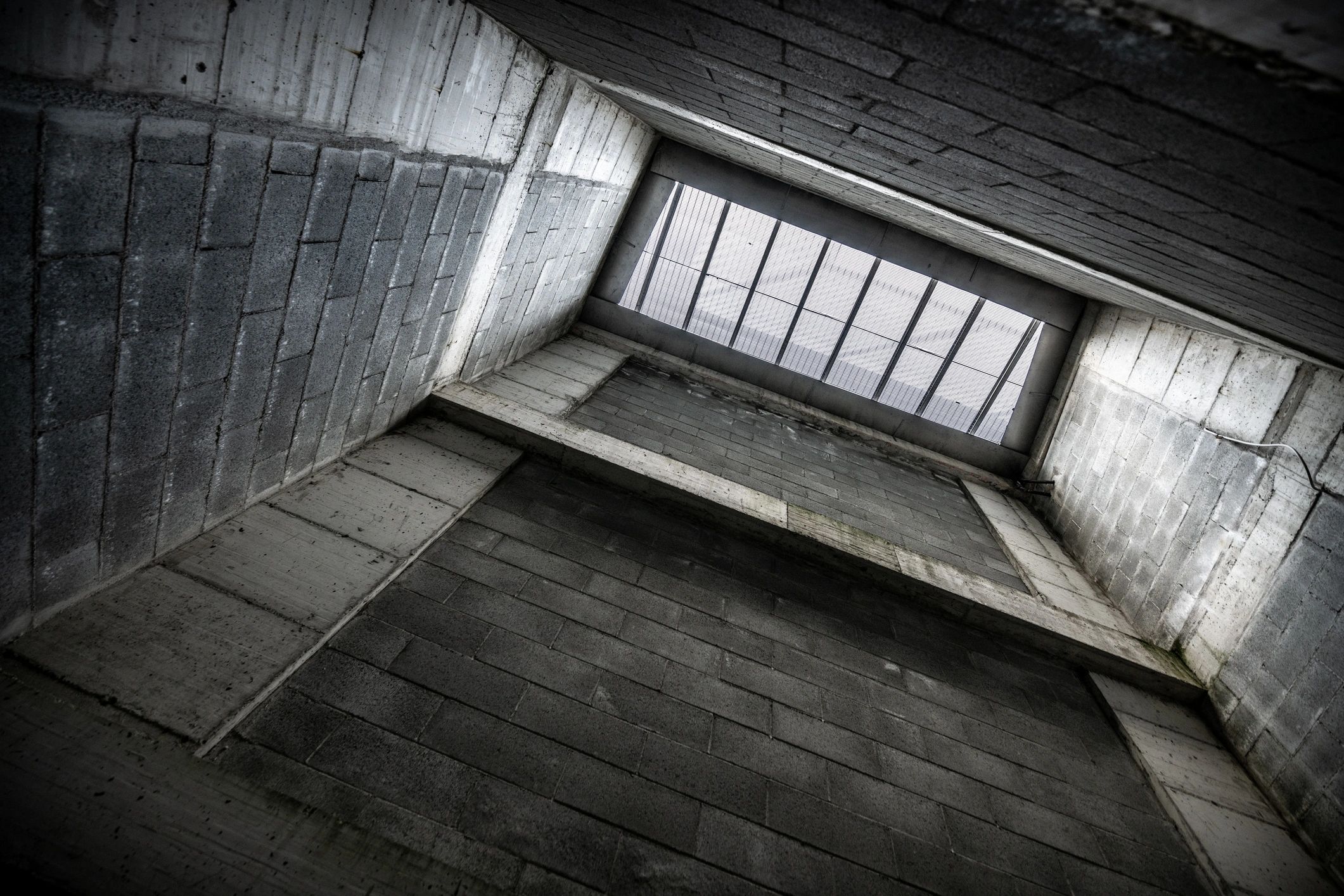
Material Advantage
Why Concrete Remains The Benchmark
For underground construction, reinforced concrete offers the mass, durability, and design control required for high-performance bunker environments. It supports large spans, layered protection strategies, and carefully planned interior layouts that can feel both secured and highly residential.
Concrete also gives designers and engineers a disciplined framework for integrating structure, waterproofing, utilities, blast-resistant detailing, and interior build-out into one coherent system. That is why it remains central to many of the most credible bunker projects worldwide and why it continues to define the upper tier of private bunker construction.
When clients want a bunker that is not merely buried but truly built, concrete is often the answer. It creates a sense of permanence that aligns with estate planning, family continuity, and long-horizon resilience.
Overview
Why Concrete Bunkers Are The Crown Jewels
Concrete bunkers are often considered the crown jewels of bunker structures because they combine structural authority, design freedom, and long-term livability in a way few other systems can match. They are not only strong. They are complete. They can be engineered for deep protection, shaped for refined circulation, and finished to support daily life with a level of calm and permanence that elevates the entire underground experience.
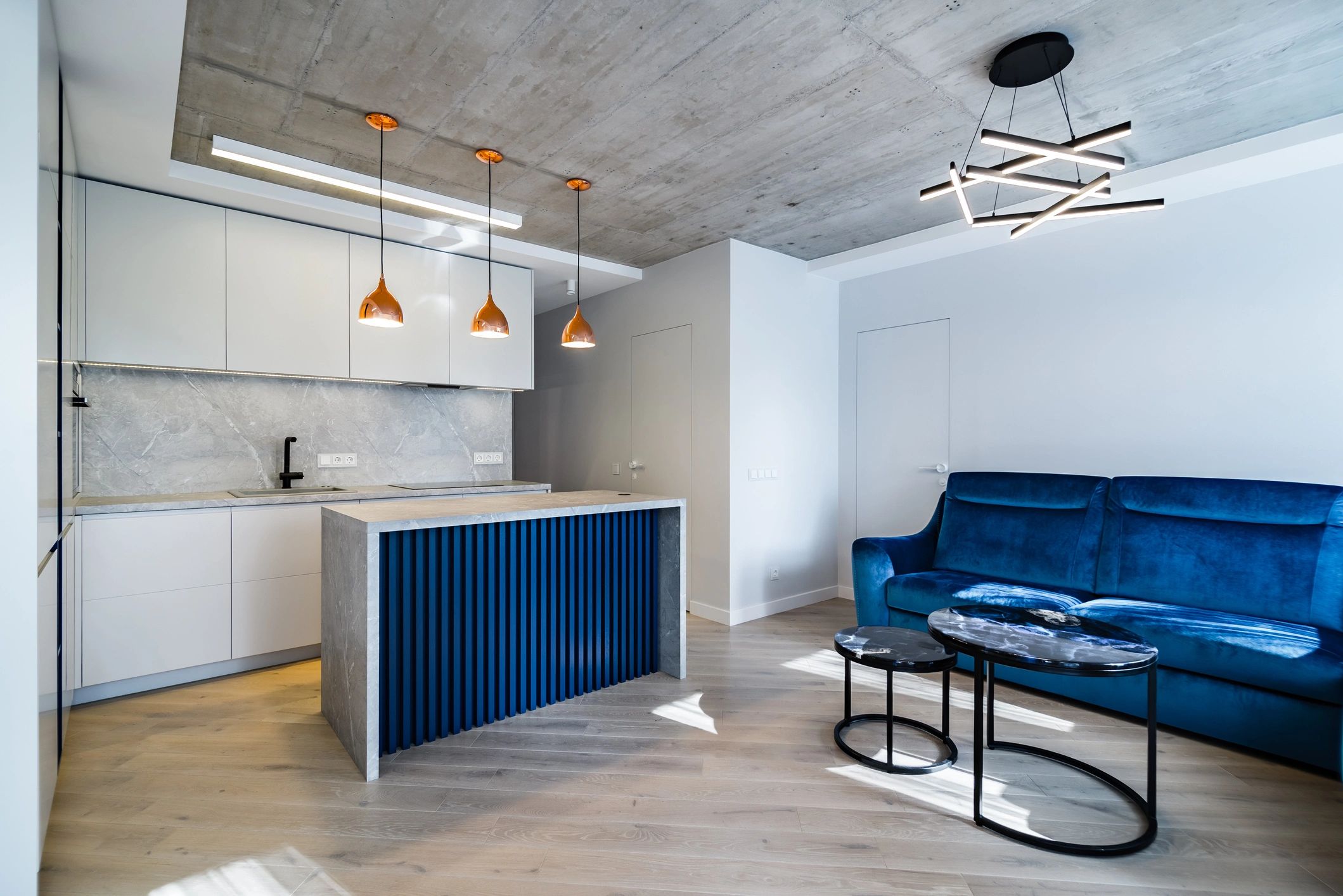
They support premium interiors with generous rooms, cleaner lines, and a more architectural standard of finish.
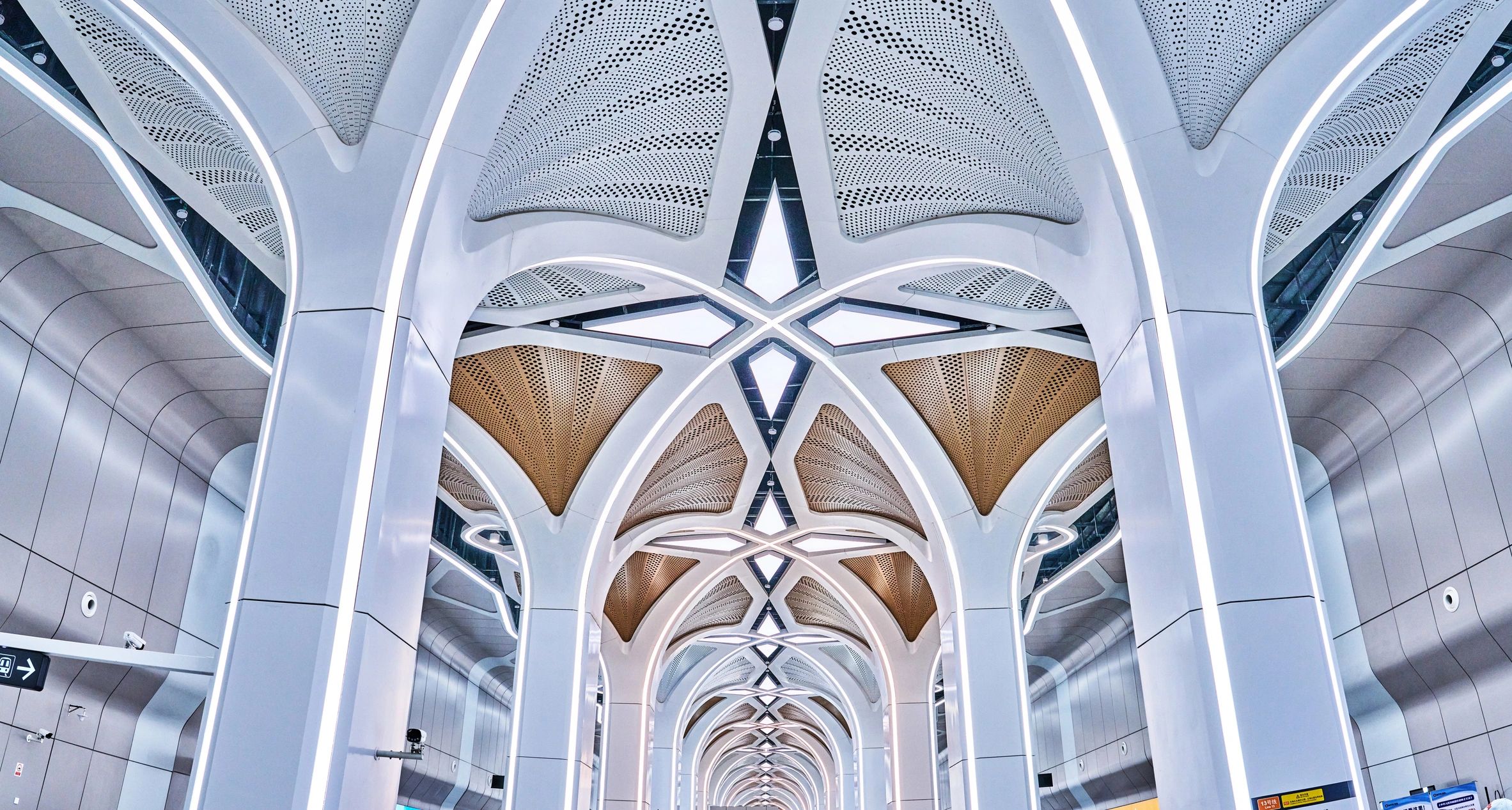
They allow organized circulation, infrastructure routing, and estate-scale planning without sacrificing structural discipline.

They create a durable shell that can be engineered for decades of service with layered protection and stable performance.
Planning
Concrete Bunker Design Priorities
Every concrete bunker program should balance protection, livability, and construction practicality from the earliest planning stages. The most successful projects are not defined by mass alone, but by how intelligently that mass is engineered into a complete underground environment with clear structural logic, coordinated systems, and a residential standard that can support long-term use.
That means thinking beyond walls and slabs. Entry sequence, drainage, waterproofing, ventilation, serviceability, privacy, acoustic control, and future adaptability all shape whether a bunker feels merely survivable or truly exceptional.
Structural Engineering
Concrete bunker design begins with site conditions, depth, span requirements, reinforcement strategy, waterproofing, and access planning. Soil behavior, groundwater conditions, excavation sequencing, and entry geometry all influence how the structure performs over time.
Mechanical Integration
Air handling, filtration, backup power, water storage, drainage, and service routing must be coordinated within the concrete shell from the start. Their placement affects maintenance access, acoustic comfort, usable square footage, and the ability of the bunker to operate as a stable, self-contained residence.
Residential Comfort
Premium concrete bunkers can include high ceilings, organized circulation, private suites, storage, and wellness-oriented spaces for extended occupancy. Concrete construction makes it possible to create interiors that feel substantial, calm, and permanent.
Global Deployment
Because concrete is widely understood, adaptable, and proven, it supports bunker construction across varied climates, property types, and regional conditions. That makes it especially valuable for clients planning projects with international relevance or estate-level complexity.
Types
Types Of Concrete Bunkers
Cast-In-Place Bunkers
Cast-in-place systems are poured on site and engineered around the exact property, excavation, and program. They are often preferred for custom luxury bunkers, larger spans, unusual site geometry, and projects where the bunker is treated as a permanent estate asset.
Precast Concrete Bunkers
Precast systems use factory-made components that are transported and assembled on site. They can offer speed, repeatability, and disciplined quality control when matched to the right site and scope.
Shotcrete Bunkers
Shotcrete approaches are useful where curved forms, retaining conditions, or specialized underground construction methods are part of the design strategy. They can be integrated into highly engineered shells with the right reinforcement and sequencing.
Hybrid Concrete Systems
Hybrid systems combine concrete with steel, precast, or other structural assemblies. These are often used when access, schedule, span requirements, or layered protection goals call for a more customized structural solution.
Examples
Where Concrete Shows Its Value
Concrete becomes especially compelling when a bunker must do more than survive a single event. It excels when the goal is to create a secure primary residence, a multi-generational family retreat, a continuity compound, or a long-duration shelter with true residential dignity.
- Luxury family bunkers that require larger living rooms, kitchens, suites, storage, and calmer acoustics.
- Deep underground projects where soil pressure, groundwater management, and long-term durability demand a disciplined structural shell.
- Estate-scale compounds where the bunker must integrate with above-ground architecture, service yards, garages, and concealed access points.
- Long-duration occupancy programs where thermal stability, maintenance access, and infrastructure coordination matter as much as raw strength.
In these scenarios, concrete is not simply a material choice. It is the framework that allows the entire bunker concept to mature into a serious, livable, and enduring environment.
Performance
What Concrete Supports Best
Concrete is especially well suited to bunker projects that require structural confidence, long service life, and a premium interior environment. Its value is not only in strength, but in the way it supports disciplined planning across the entire project.
That combination of mass, adaptability, and finish potential is why concrete so often sits at the top of the bunker hierarchy for serious private clients.
- Large spans and generous rooms for family living, open gathering areas, and luxury-ready underground layouts.
- Integrated secured design where structure, access control, and protective layers are coordinated from the beginning.
- Stable interior conditions that support acoustic calm, thermal moderation, and a more composed residential atmosphere.
- Long-term durability for clients seeking a bunker as a permanent asset rather than a temporary shelter concept.
- Architectural flexibility for combining utility rooms, private suites, wellness spaces, storage, and command functions in one coherent plan.
Next Step
Discuss A Concrete Bunker Project
Whether you are evaluating a private residence bunker, a family protection concept, or a construction-ready plan, our team can guide the next conversation with discretion and a clear understanding of structural, residential, and long-term performance priorities.