Bunker Types
Construction Techniques for Hardened Underground Living
Explore the structural methods, material strategies, and systems integration principles behind premium bunker construction. From reinforced concrete shells and advanced waterproofing assemblies to hardened entry sequences, mechanical redundancy, and interior fit-outs designed for daily comfort, each technique is selected to support secure, refined underground living with long-term confidence.
Core Methods
How Modern Bunkers Are Built
Effective bunker construction depends on disciplined sequencing, engineered materials, and layered protection strategies. The objective is not simply to create a hardened shell, but to deliver a controlled underground residence that feels composed, secure, and sustainable over time. In premium projects, construction technique influences everything from structural performance and moisture control to acoustic comfort, maintenance demands, and the confidence clients place in the finished environment as a true extension of modern living.
Reinforced Concrete Shells
High-strength concrete and carefully engineered reinforcement schedules form the primary protective envelope, creating the mass, rigidity, and durability required for underground structures. In sophisticated builds, wall thickness, slab design, rebar density, and connection detailing are calibrated to site conditions, occupancy goals, and the desired level of hardening, allowing the structure to perform as both a protective shell and a stable architectural foundation for luxury living below grade.
Waterproofing Systems
Multi-layer waterproofing membranes, drainage planes, perimeter drainage systems, and site-specific moisture management strategies help protect the bunker from hydrostatic pressure and long-term water intrusion. This discipline is essential because underground comfort depends as much on dryness and air quality as it does on structural strength, making waterproofing one of the defining differences between a temporary shelter concept and a premium underground residence built for dependable long-term use.
Blast and Impact Hardening
Selective hardening measures may include thicker wall sections, protected openings, engineered entry points, reinforced transitions, and structural detailing intended to improve resilience under extreme conditions. The most successful projects balance these defensive measures with architectural restraint, preserving a calm residential experience while quietly integrating the protective features required for family security and elevated preparedness.
Mechanical Integration
Ventilation, filtration, backup power, water strategy, storage planning, and life-support systems must be coordinated early so the structure supports both protection and livability without compromise. Mechanical integration is where hardened construction becomes truly habitable, because resilient infrastructure determines whether a bunker functions merely as a defensive space or as a refined environment capable of supporting daily routines, privacy, and continuity during extended disruptions.
Execution
Three Critical Construction Priorities
Premium bunker projects balance engineering discipline with residential quality. These priorities shape both performance and long-term value, ensuring the structure is not only hardened, but also refined enough to support confident everyday use, family comfort, and extended occupancy with a sense of order rather than austerity.
Site and Soil Evaluation
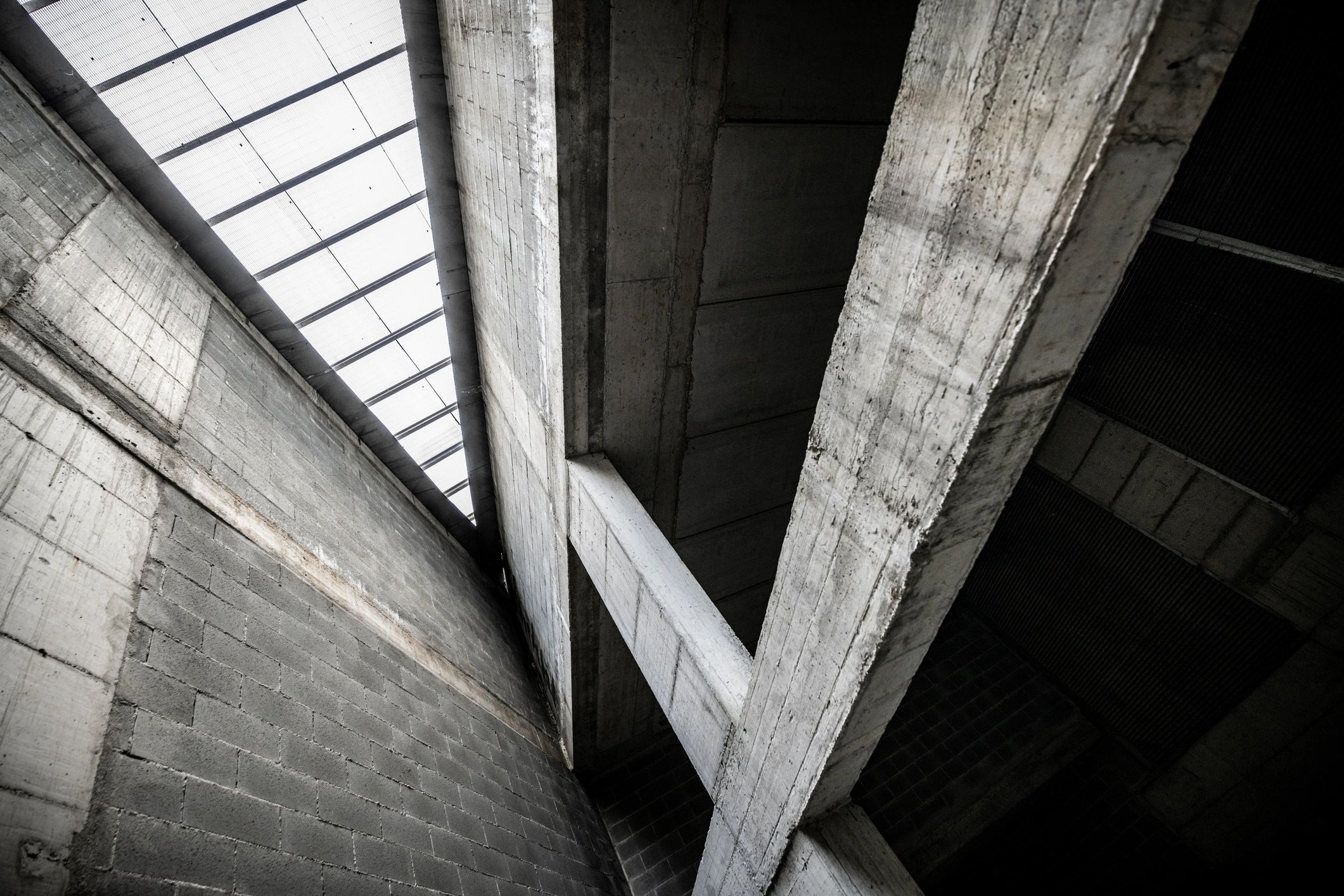
Subsurface conditions, drainage behavior, access logistics, and excavation constraints influence structural design, waterproofing strategy, and construction sequencing from the outset. A well-resolved site plan protects the investment before concrete is ever placed, reducing downstream risk while supporting discreet access, efficient construction, and a stronger long-term performance profile.
Envelope and Systems Coordination
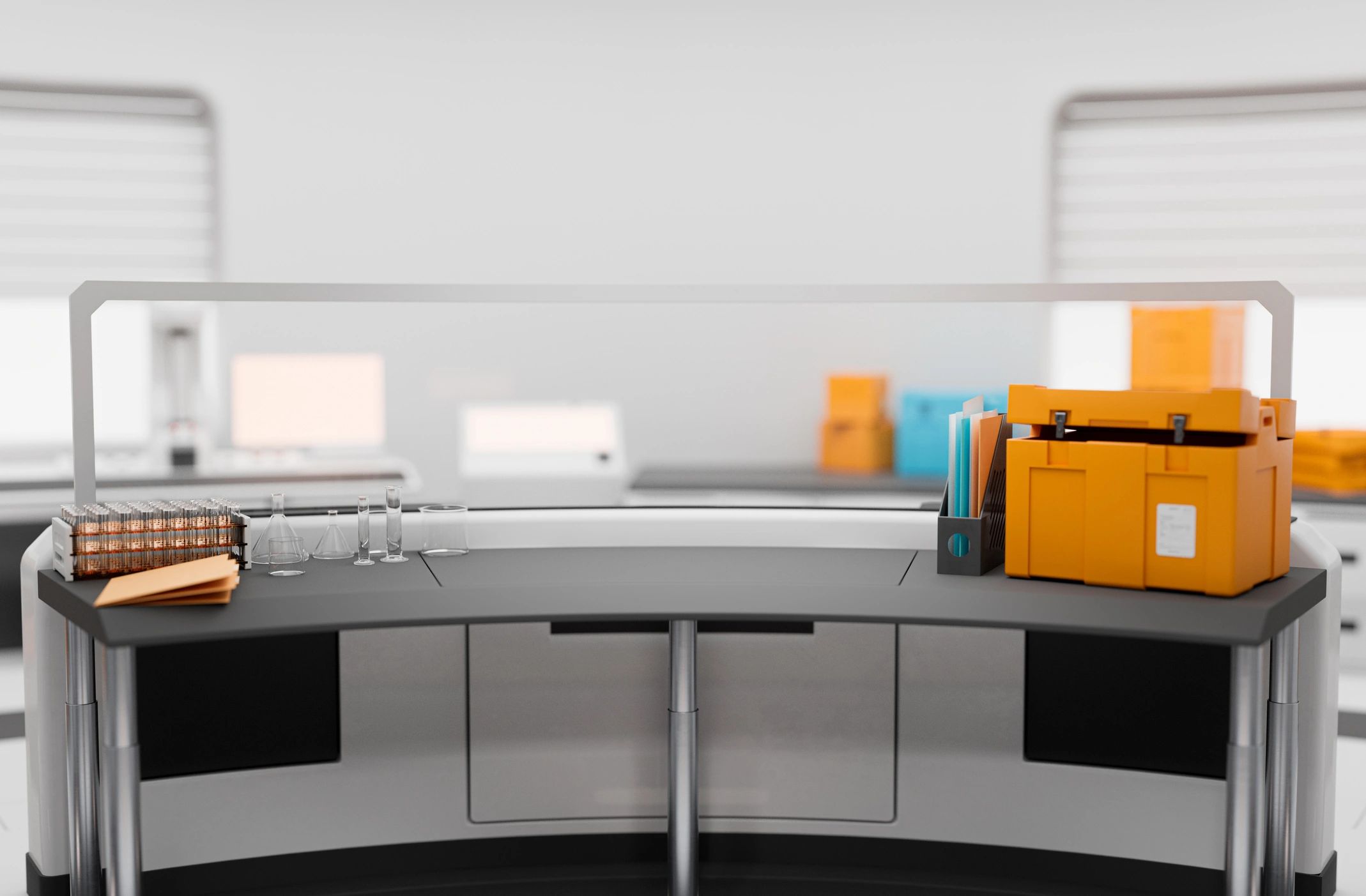
The bunker shell, penetrations, air handling, electrical systems, communications pathways, and emergency redundancies must be coordinated as one integrated build rather than isolated components. This coordination protects performance, preserves usable space, and helps ensure the finished environment feels intentional, efficient, and ready for real-world occupancy.
Interior Habitability
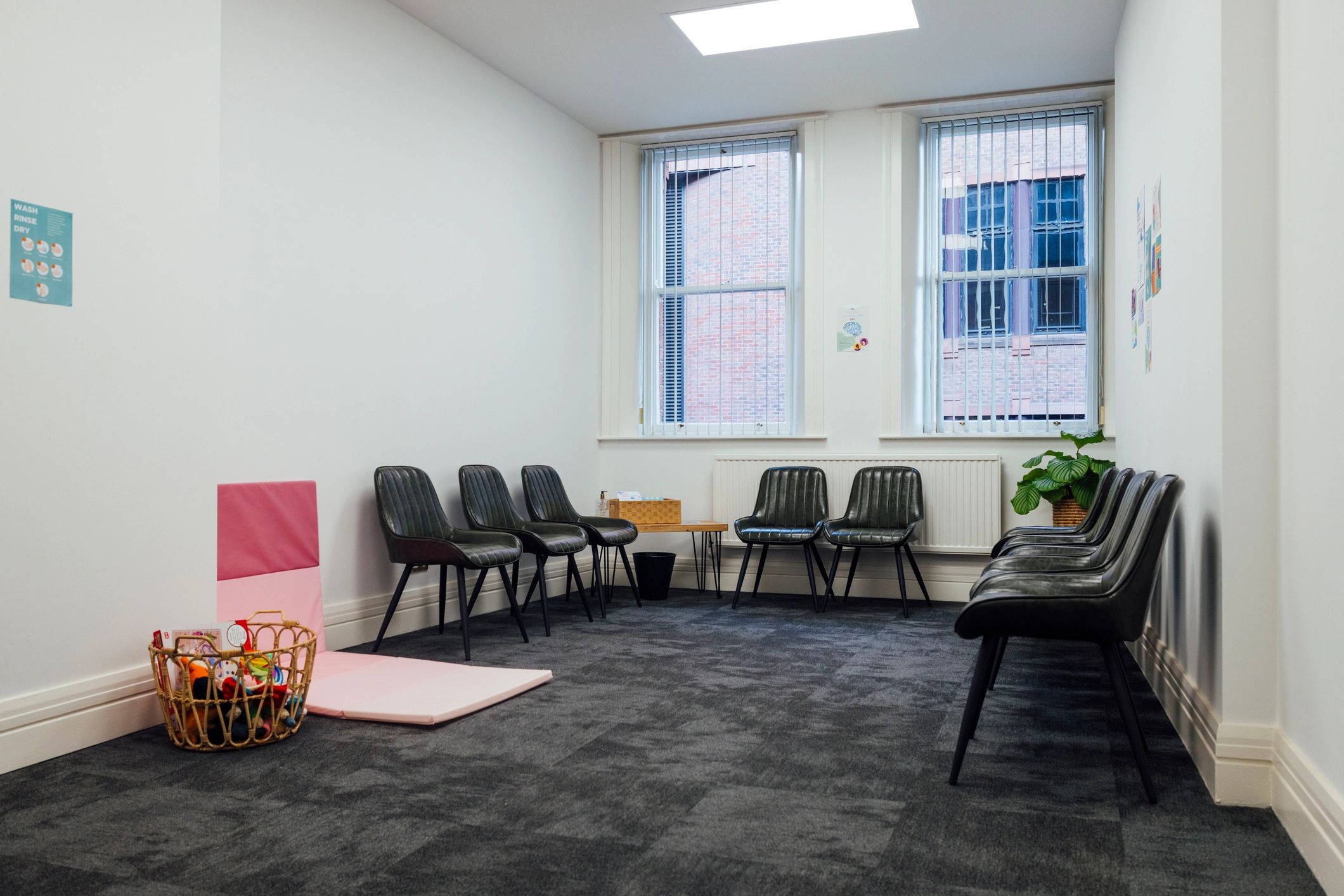
Ceiling height, circulation, lighting, acoustic control, finish durability, and spatial proportion all contribute to a bunker that feels composed, livable, and suitable for extended use. In luxury-oriented projects, habitability is not an afterthought. It is a core construction objective that transforms hardened space into a residence designed for calm, privacy, and continuity.
Design Approach
Built for Protection and Daily Use
The most effective bunker techniques support more than survival. They create a structure capable of security, discretion, comfort, and long-term operational continuity, allowing underground living to function as a deliberate lifestyle and resilience strategy rather than a purely reactive shelter decision.
Layered Resilience
Structural mass, moisture defense, protected access, and utility redundancy work together to create a more dependable underground environment. When layered correctly, these systems reinforce one another and elevate both protection and peace of mind.
Architectural Restraint
Well-planned layouts, durable finishes, and disciplined detailing allow hardened construction to feel refined rather than purely utilitarian. This is where premium bunker design separates itself, pairing serious resilience with the spatial clarity and restraint expected in high-end residential architecture.