Infrastructure
Bunker Components
A secured bunker is defined not only by structure, but by the systems that protect air, water, access, control, storage, and long-term continuity. Explore the core components that turn underground construction into a secure, livable, resilient environment.
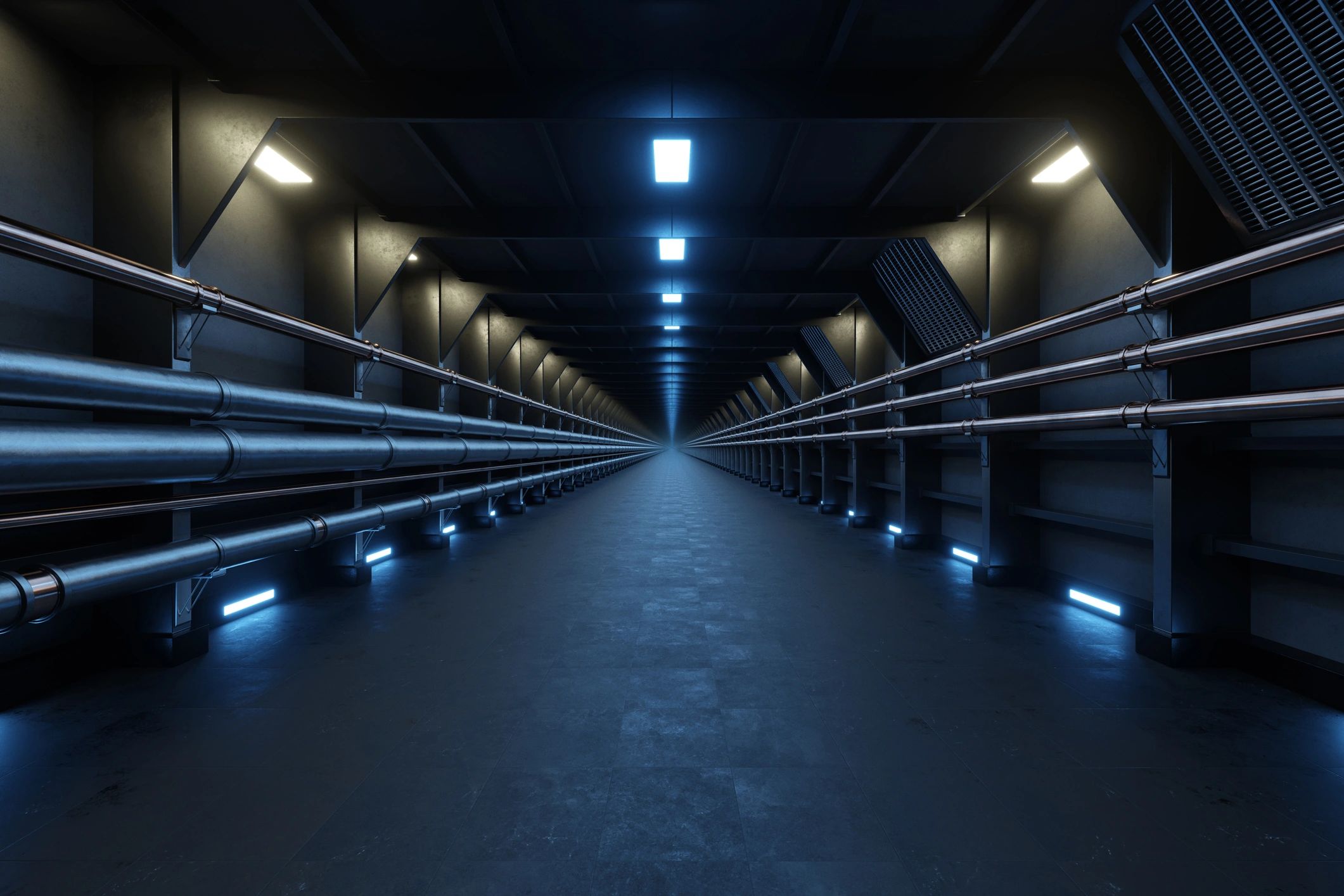
Core Systems Overview
From entry protection to environmental control, these systems shape how a bunker performs under daily use, extended occupancy, and high-stress scenarios.
Security & Blast Doors
Reinforced entry systems designed for controlled access, pressure resistance, and secured perimeter protection.
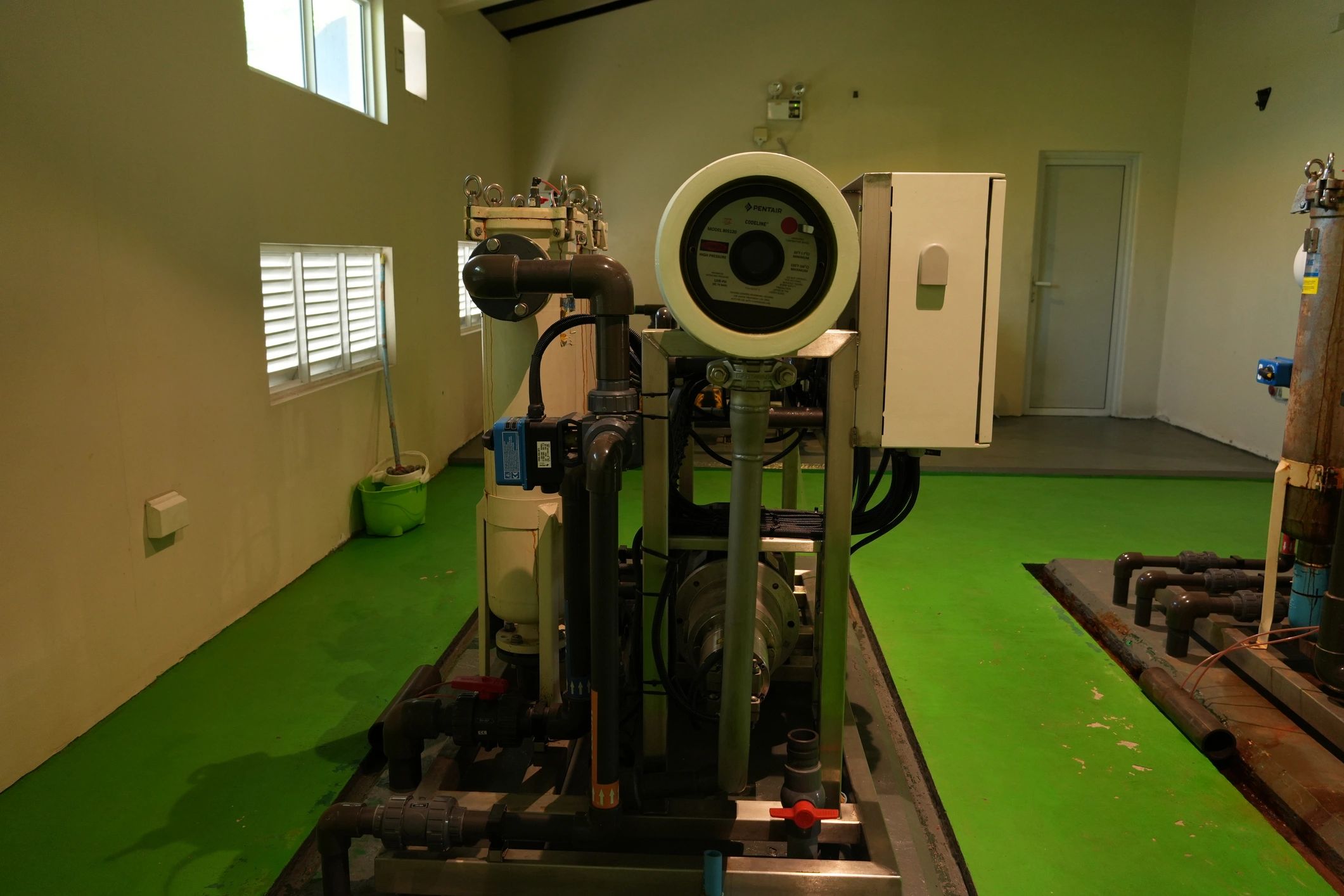
Waste Water Ejection
Engineered pumping and discharge systems that manage below-grade drainage and sanitation continuity.
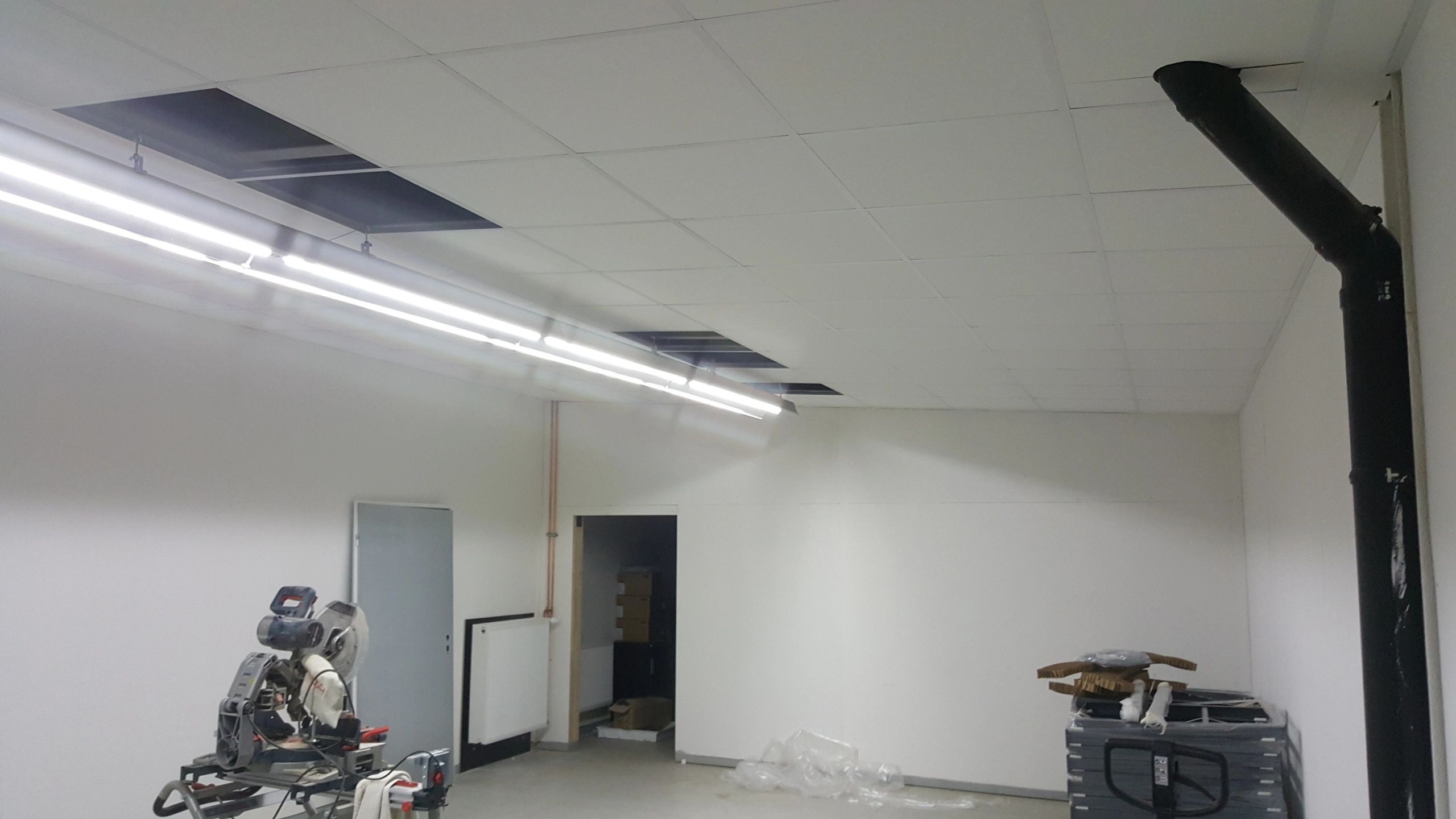
Ventilation
Air movement systems planned for circulation, pressure balance, comfort, and dependable underground living.
Filters
Layered filtration strategies that support cleaner interior air and controlled environmental performance.
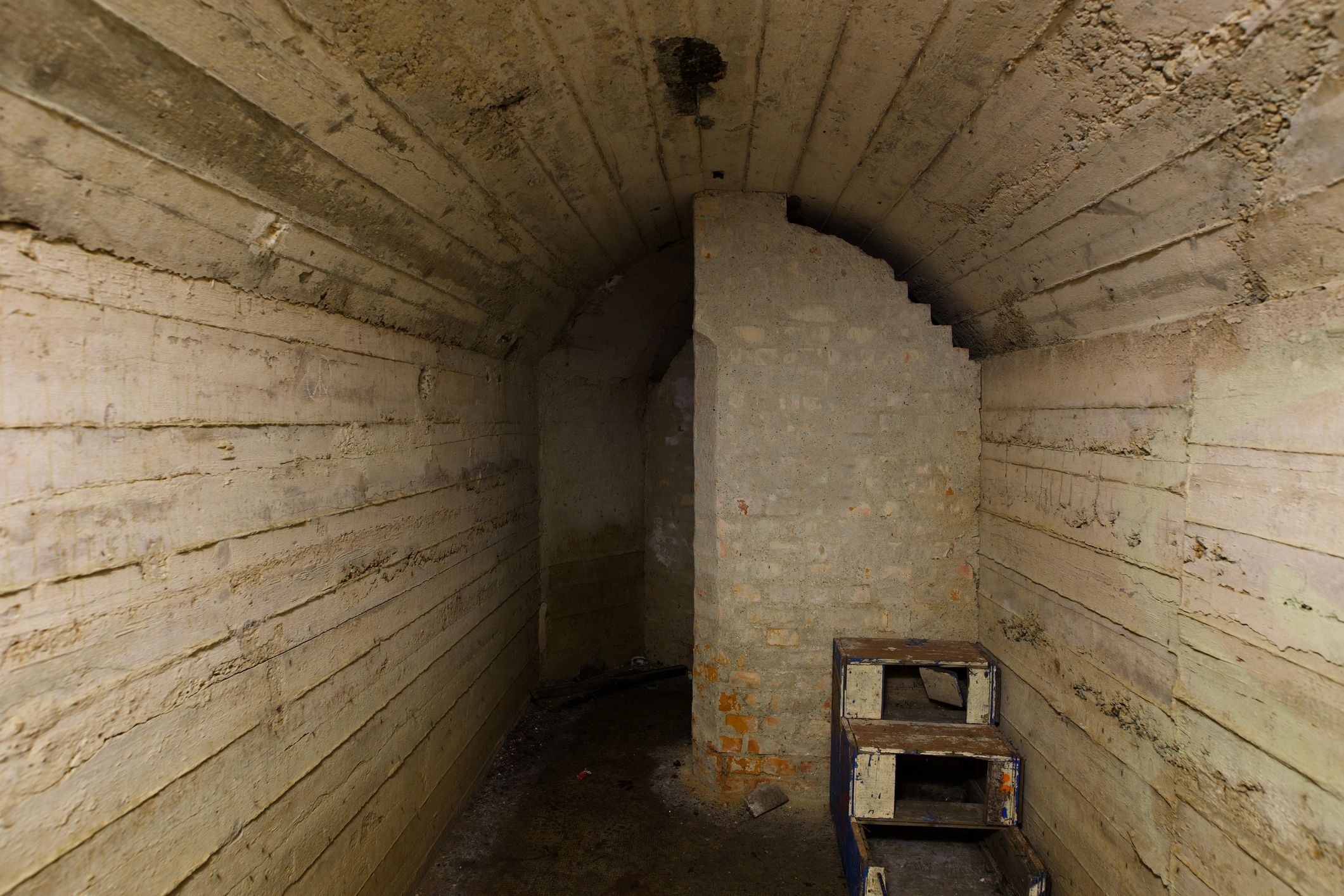
Control Room
Centralized monitoring spaces for communications, power oversight, surveillance, and operational command.
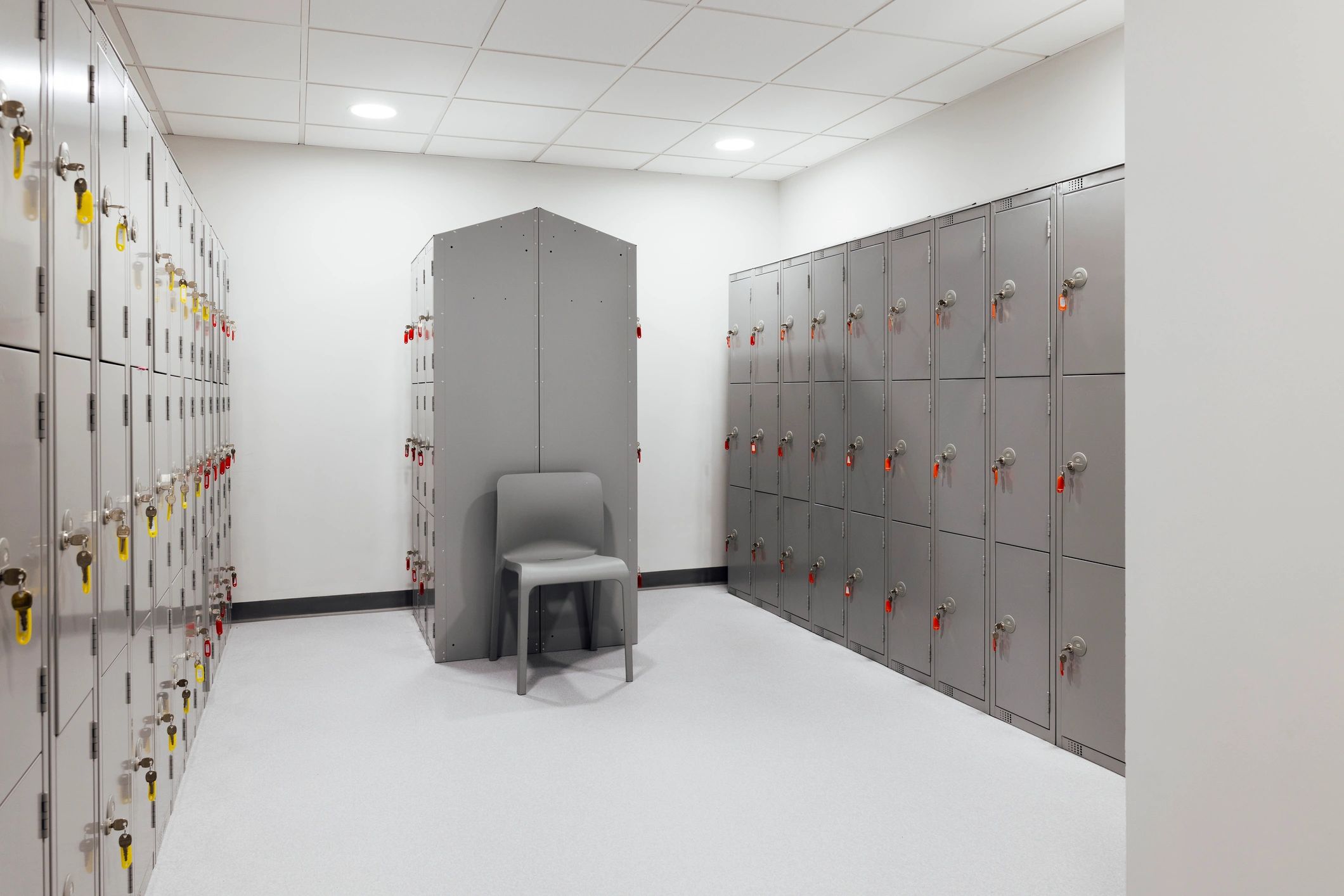
Storage Spaces
Dedicated storage planning for food, water, medical supplies, equipment, and long-duration readiness.
Beyond Structure
Infrastructure That Supports Long-Term Living
The Components section covers the operational layer of bunker construction: access control, mechanical systems, environmental support, utility routing, monitoring, storage, and service spaces that make secured construction functional over time.
Access & Hardening
Door assemblies, protected corridors, compartmentalization, and secure transition points help define how a bunker controls movement and protects occupants.
Mechanical & Utility Systems
Ventilation, filtration, pumping, drainage, backup utilities, and service rooms are essential to maintaining performance below grade.
Operational Spaces
Control rooms, monitoring stations, equipment rooms, and maintenance zones support oversight, response, and day-to-day management.
Readiness & Storage
Well-planned storage areas preserve supplies, protect equipment, and support longer occupancy with better organization and resilience.