Why discerning clients build below ground
The modern bunker is no longer defined only by emergency shelter. It is a strategic residential asset that combines structural protection, long-term continuity, and elevated daily living with disciplined architectural planning.
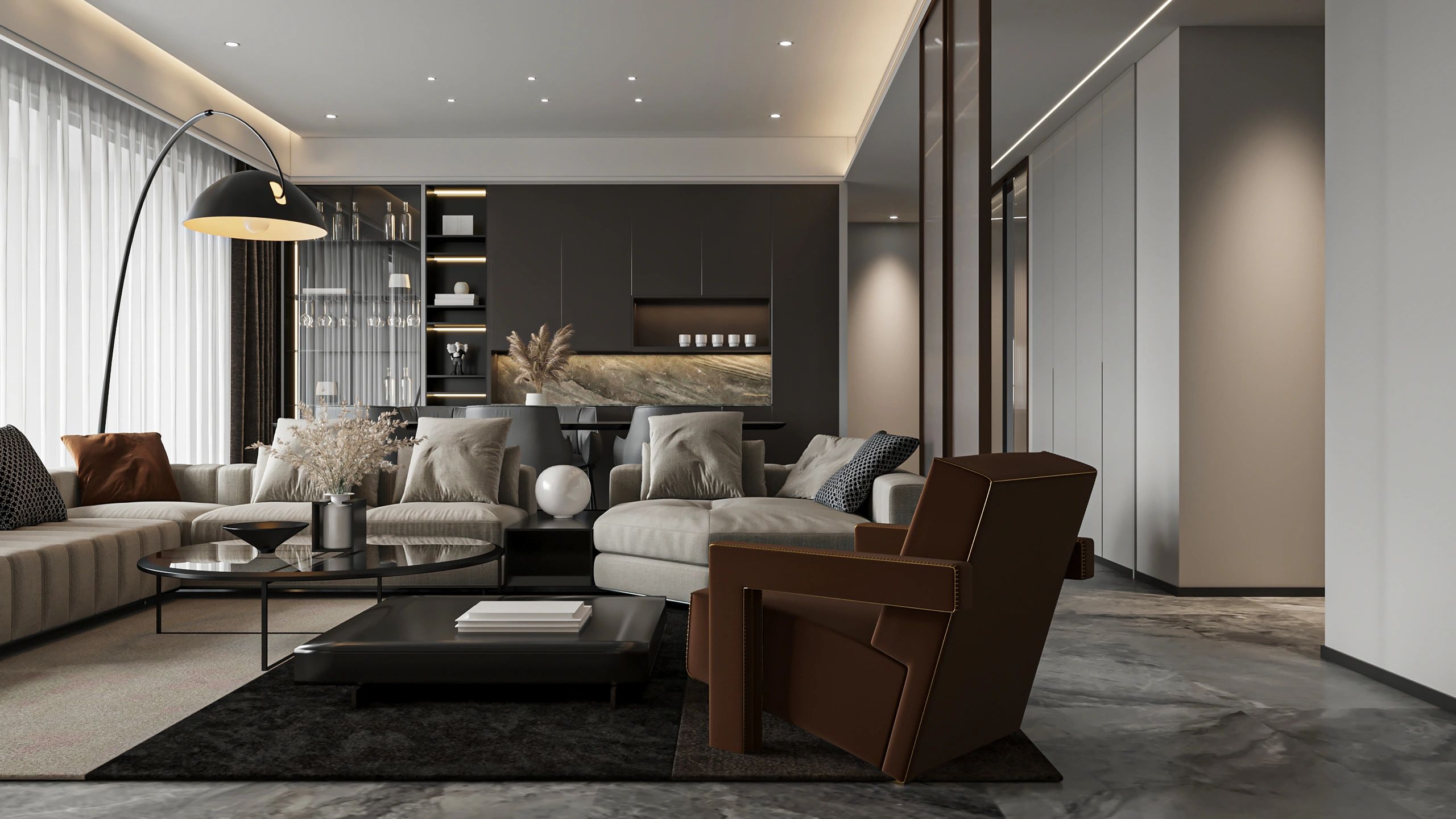
Protection
Family security with residential comfort
Plan for family protection first with layouts that prioritize generous living space, privacy, circulation, and resilient systems designed for extended occupancy.
Preparedness
Threat planning with construction discipline
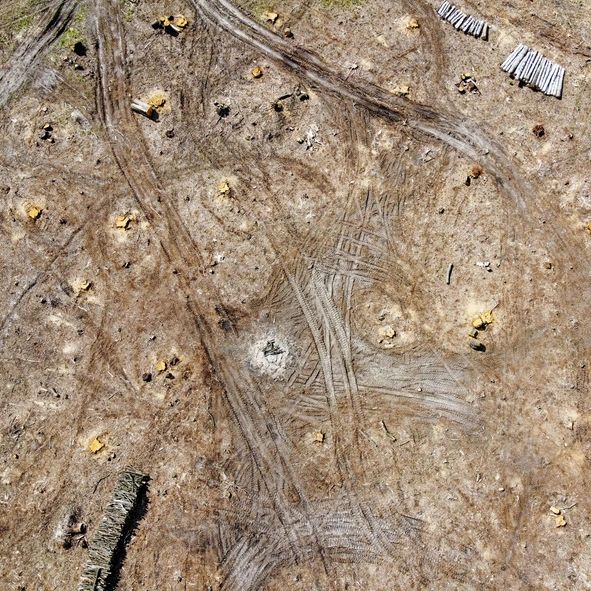
From EMP events and infrastructure failure to civil unrest and geopolitical instability, each project begins with practical threat assessment and construction-led decision making.
Lifestyle
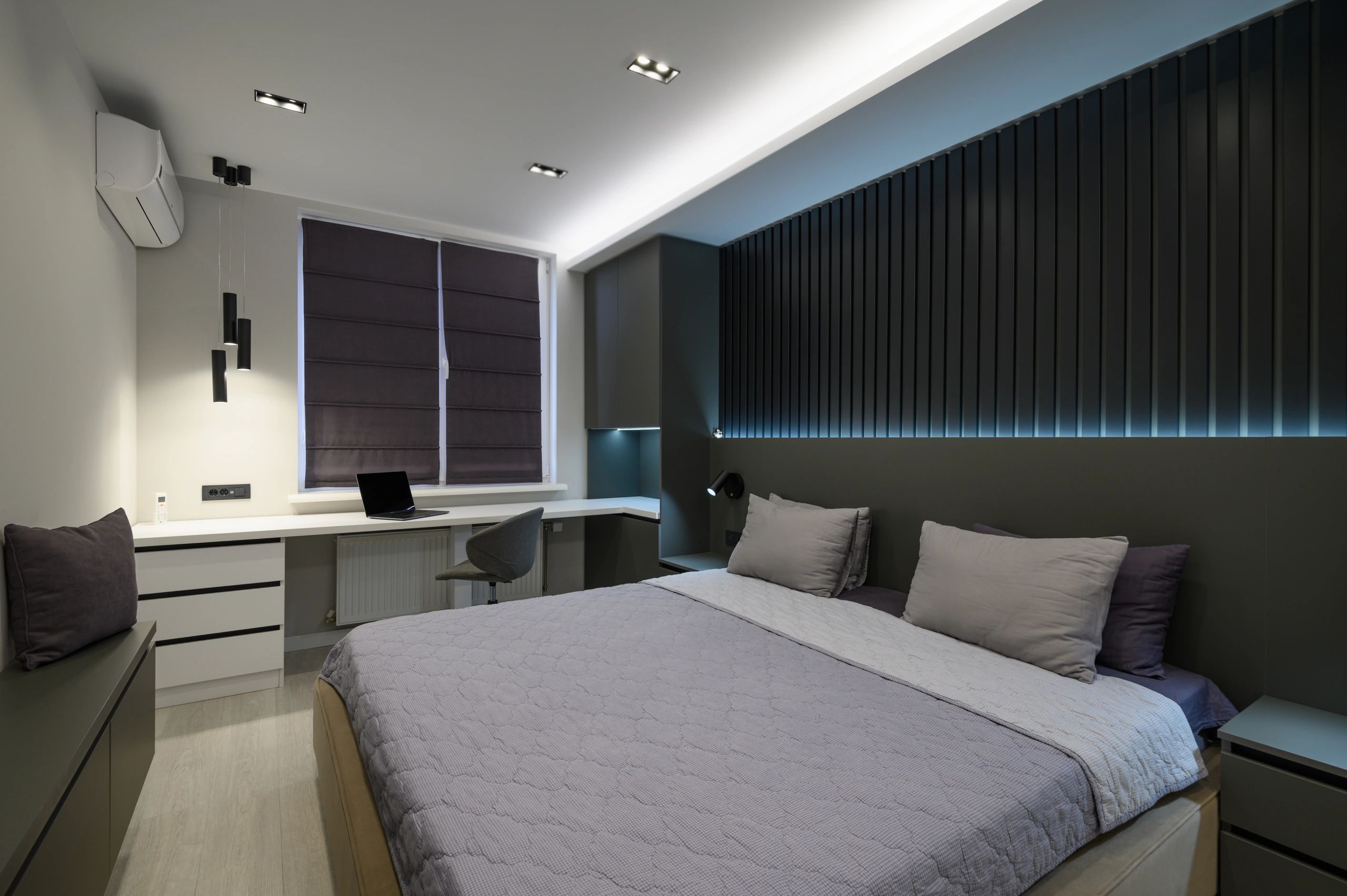
Luxury living above and below ground
Refined interiors, wellness-oriented spaces, and premium finishes help transform underground construction into a credible primary residence or private retreat.
Offerings
Construction, plans, and strategic guidance
Our marketplace approach combines custom construction services with construction-ready bunker plans, giving clients a clear path from concept to execution. Bunker Construction Inc. designs secured luxury bunkers and construction-ready plans for clients seeking private protection, resilient living, and premium underground environments worldwide. Our work is positioned at the intersection of structural resilience, architectural discipline, and long-horizon lifestyle planning for families, estates, and private compounds that require more than a conventional shelter solution.
The site presents bunker construction as a forward-looking residential category shaped by privacy, continuity, and elevated design standards. Rather than focusing only on emergency shelter, we frame underground living as a deliberate investment in secure daily life, estate resilience, and architecturally refined environments built to remain relevant for decades.
From concept development and secured construction strategy to layout evaluation and plan acquisition, the site is built to help visitors understand how underground living can support security, continuity, comfort, and refined daily life. Every section is intended to frame bunker construction not as a reactionary purchase, but as a deliberate investment in privacy, preparedness, and enduring residential capability.
Whether the goal is a discreet family residence, an off-grid continuity asset, or a luxury underground environment designed for long-term occupancy, Bunker Construction Inc. presents a more complete view of what modern bunker living can become when engineering, planning, and elevated design are treated as one integrated discipline.
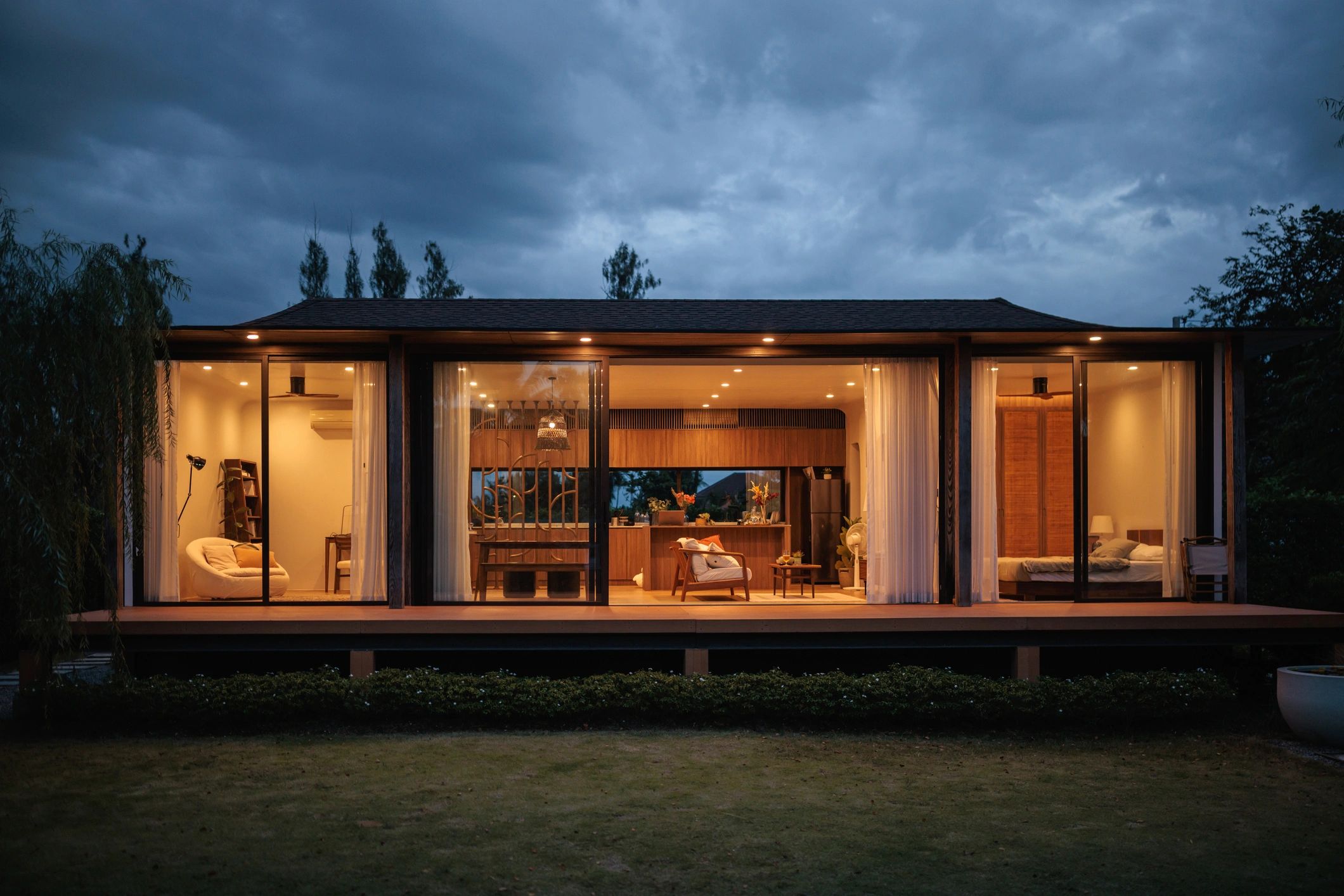
A visual language of secured luxury
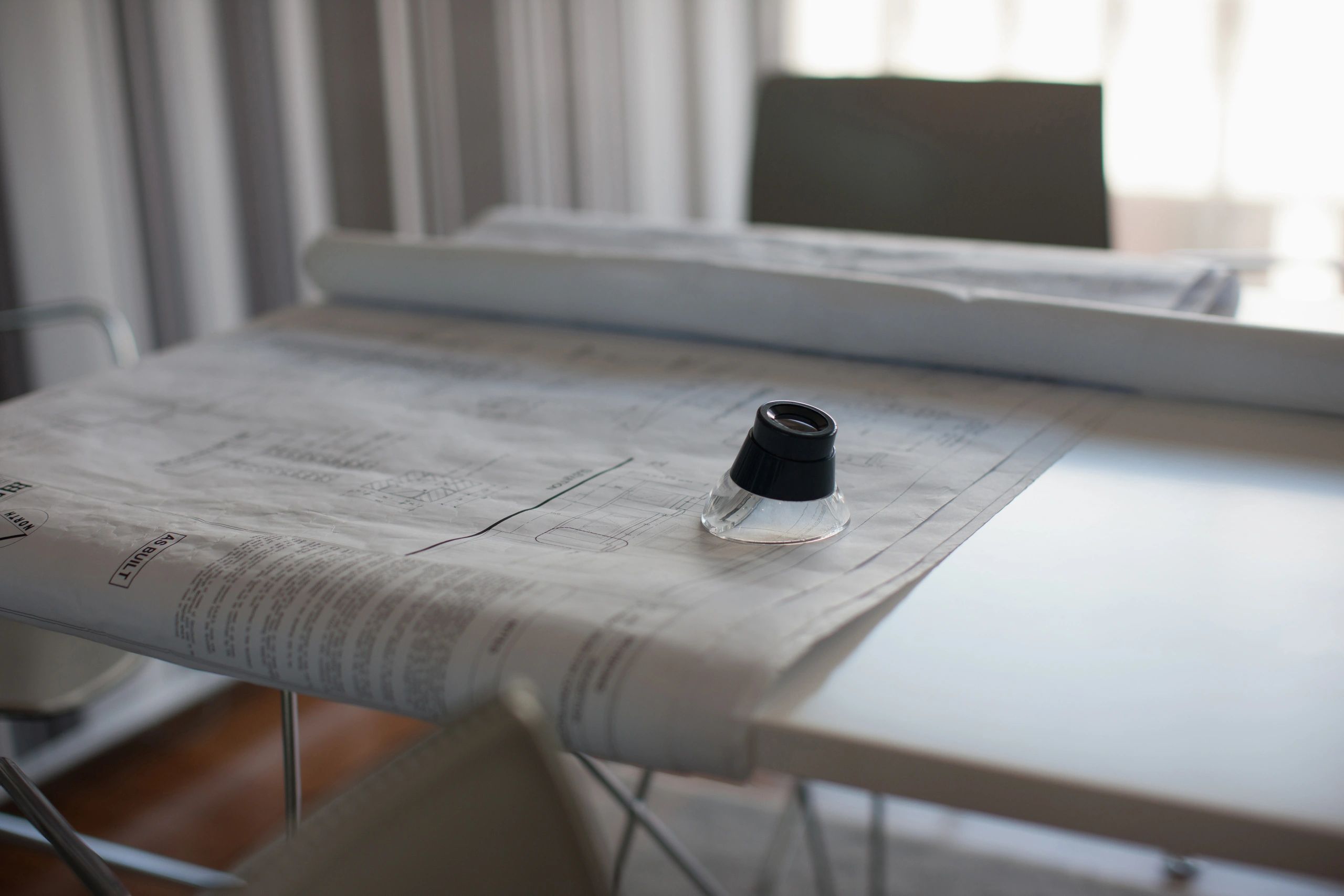
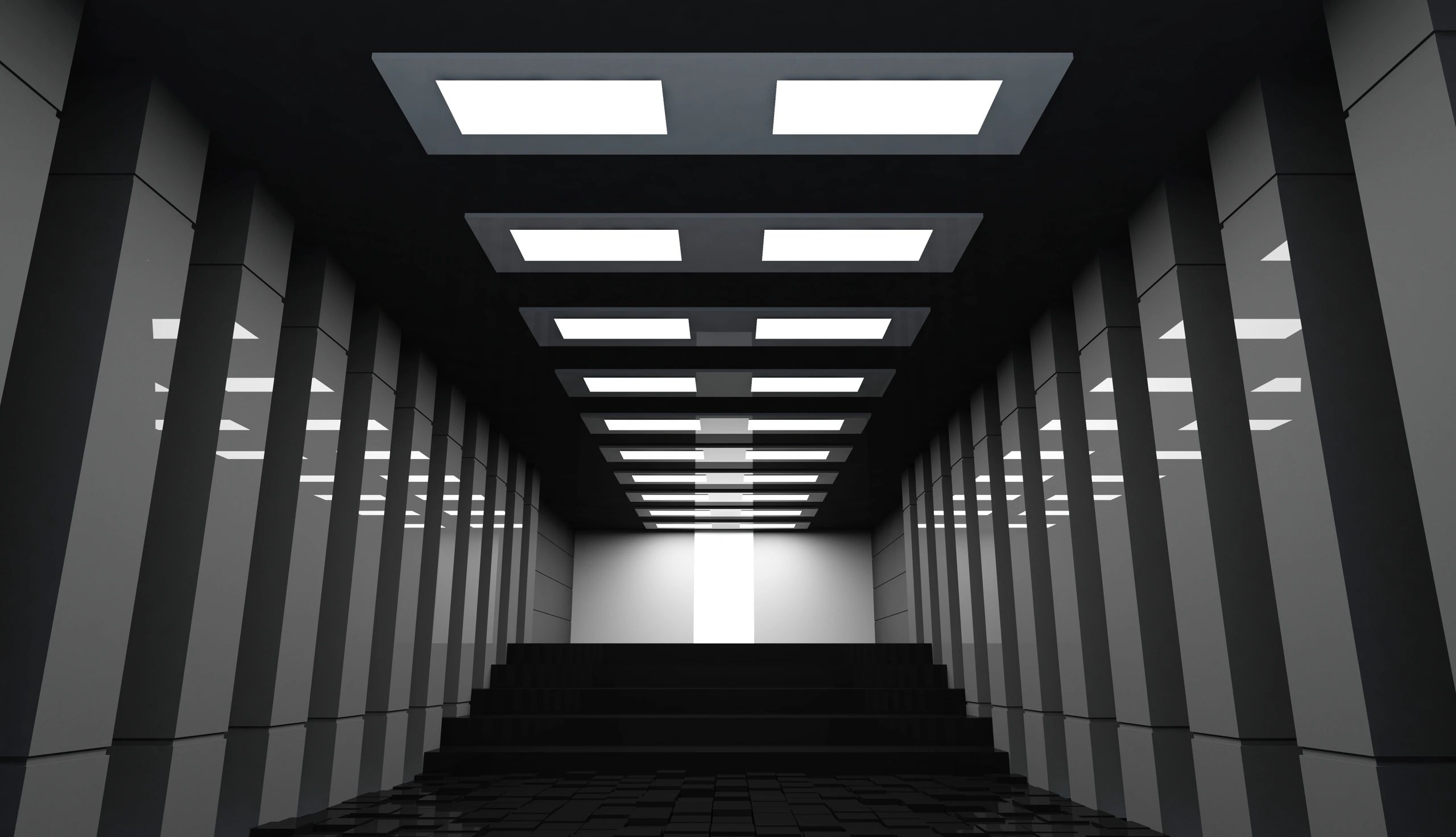
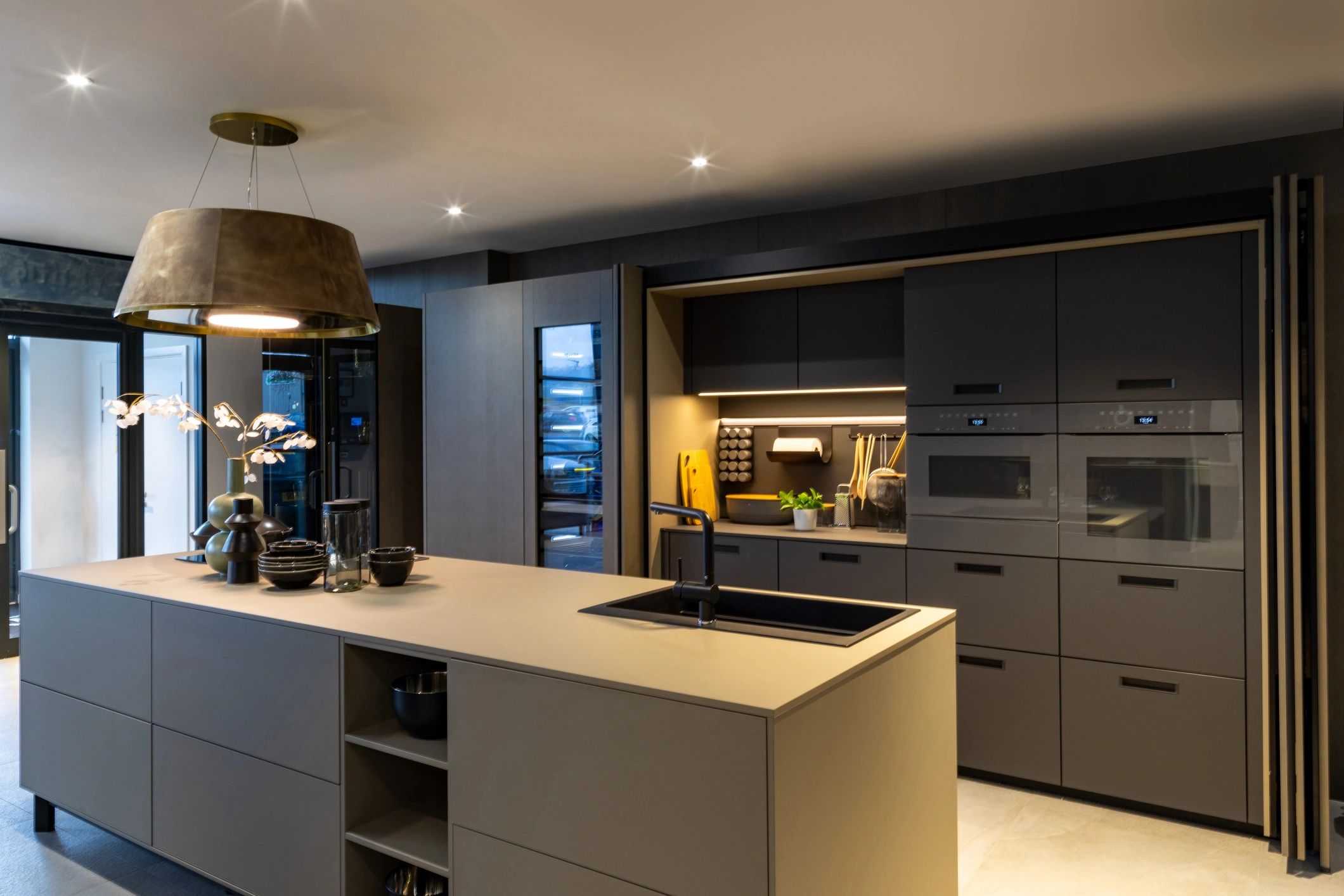
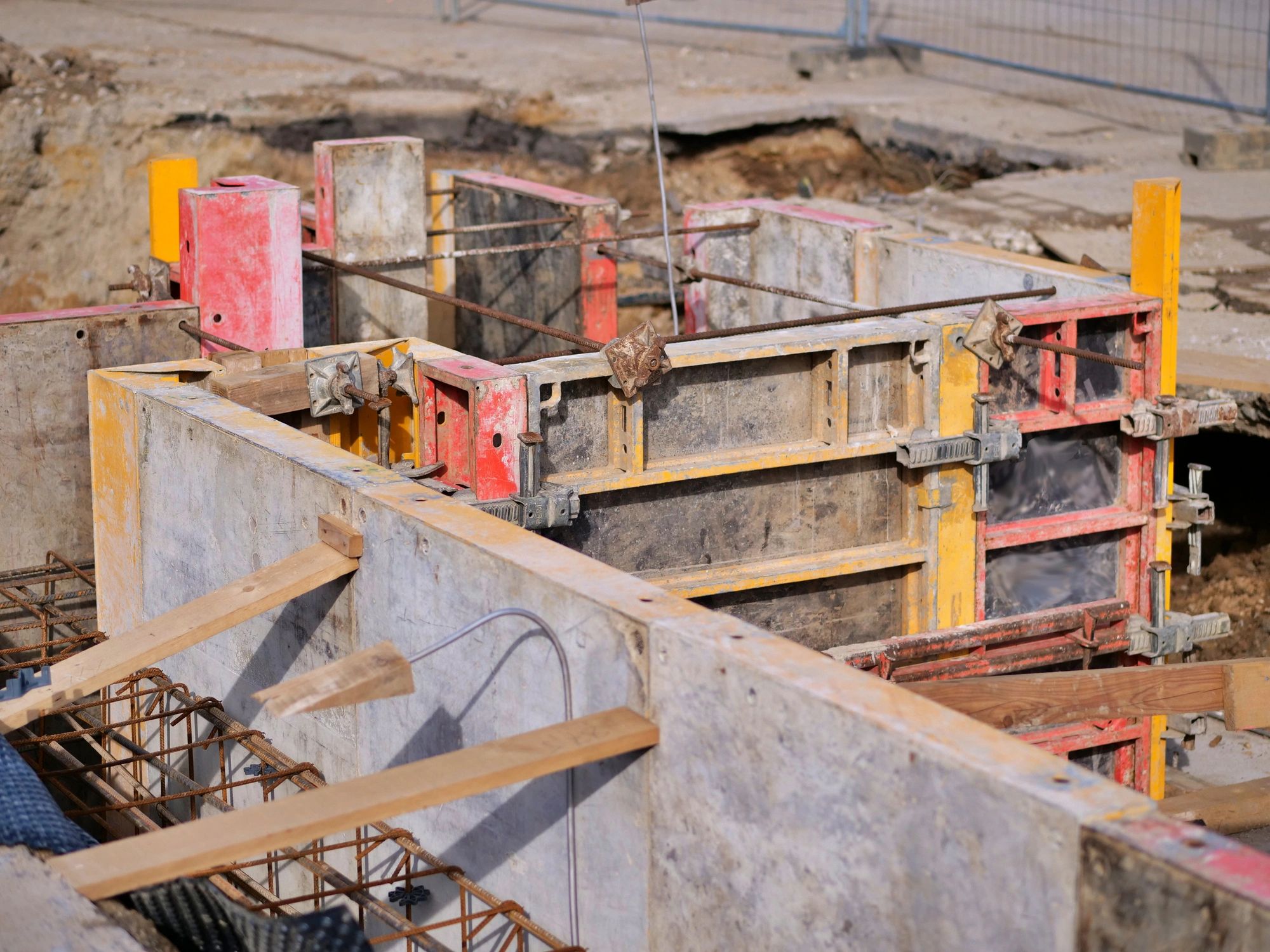
Explore a collage of structural materials, refined interiors, and premium underground living concepts that balance credibility, discretion, and aspiration.


Perspective
Why modern bunker construction is being reconsidered
For a growing number of families, investors, landowners, and continuity-minded clients, bunker construction is no longer viewed as a fringe decision. It is increasingly understood as a long-range architectural response to uncertainty, infrastructure fragility, and the desire for greater control over how life is protected and sustained. A well-conceived bunker is not simply a secured shell beneath the ground. It is a carefully planned environment that can support privacy, security, comfort, storage, utilities, and long-duration occupancy with a level of order that conventional residential construction rarely addresses.
At the premium end of the market, the conversation has evolved beyond emergency shelter alone. Clients are asking how underground living can feel expansive, calm, and dignified. They want generous circulation, strong ceiling heights, refined material palettes, resilient mechanical systems, layered security, and layouts that function as true residences rather than improvised fallback spaces. That shift is central to our positioning. We present bunker construction as a life-planning discipline that combines structural hardening, architectural clarity, and practical preparedness into one integrated vision.
The strongest bunker projects are designed not around fear, but around continuity, discretion, and the ability to preserve a high standard of living under changing conditions.
Bunker Construction Inc.
This approach allows clients to think in broader terms: family protection, estate planning, off-grid capability, business continuity, secure storage, and future-ready living. Whether the goal is a secured family residence, a luxury retreat, a private compound, or a construction-ready plan that can move toward development, the underlying principle remains the same. Build with intention now so that future options remain open later.
Scope
What comprehensive bunker development includes
Bunker projects vary widely in size, depth, complexity, and intended use, but the most successful developments are guided by a clear framework from the beginning. Our content and planning philosophy emphasize the full picture so clients can evaluate not only what they want to build, but how each decision affects resilience, comfort, and long-term value.
Structural strategy
The structural concept establishes the foundation of the project. This includes the bunker type, depth, reinforced concrete requirements, blast and pressure considerations, waterproofing approach, soil conditions, drainage, and the relationship between the secured structure and the surrounding site. Strong structural planning is what turns an underground concept into a credible built environment.
Livability planning
A premium bunker must function as a place people can actually inhabit with confidence. That means thoughtful zoning for sleeping, cooking, sanitation, storage, mechanical systems, circulation, privacy, and shared living. It also means considering light quality, acoustics, finishes, and the psychological experience of extended occupancy so the space feels composed rather than confined.
Systems resilience
Mechanical, electrical, water, air, and backup systems are central to bunker performance. Clients often need to think through filtration, power redundancy, battery storage, fuel strategy, water treatment, waste management, communications, and maintenance access. A bunker is only as dependable as the systems that support it under stress.
Access and discretion
Entry sequencing, concealment, perimeter planning, and operational privacy shape how the bunker is experienced and protected. Some projects prioritize visible architectural presence, while others emphasize discreet integration into estates, compounds, or remote land. In either case, access design should support security without sacrificing usability.
Questions clients often explore early
Early-stage bunker planning usually begins with a mix of architectural, technical, and lifestyle questions. The answers depend on the site, the intended duration of use, the desired level of luxury, and the role the bunker will play within a broader family or estate strategy.
How is a luxury bunker different from a basic survival shelter?
A basic shelter is typically designed around short-term protection and essential function. A luxury bunker is designed as a complete living environment with stronger attention to layout, comfort, privacy, finishes, storage, wellness, and long-duration livability. The difference is not only appearance. It is the depth of planning behind how the space supports real life.
Can a bunker be designed as a primary residence?
Yes. Many modern concepts are planned as full-time or part-time residences with residential-scale kitchens, suites, family areas, utility rooms, and integrated off-grid systems. When positioned as a primary residence, the design process must account for comfort, maintenance, circulation, and daily routines at a much higher level.
What should be decided before selecting a plan?
Clients should clarify intended occupancy, desired square footage, level of hardening, preferred lifestyle, site conditions, systems expectations, and whether the project is meant for private family use, multi-generational living, executive retreat, or continuity planning. These decisions shape whether a custom build or a construction-ready plan is the better fit.
Why does systems planning matter so much?
Because structural strength alone does not create continuity. Air handling, water, power, waste, communications, and maintenance access determine whether the bunker can operate reliably over time. Systems planning is what transforms a secured space into a functioning environment.
Are bunker plans useful even for clients pursuing custom work?
Yes. Plans can serve as a starting point for evaluating scale, layout logic, room relationships, and budget direction. Even when a client ultimately commissions a custom solution, reviewing plans helps clarify priorities and accelerates better decisions.
Who is this type of construction for?
The audience is broader than many assume. It includes preparedness-minded families, private landowners, estate planners, developers, security-conscious buyers, and clients seeking a resilient residence that combines protection with refined living standards.
Next step
Discuss a custom bunker or plan
Whether you are evaluating a secured family residence, a private compound concept, or a construction-ready layout, our team can help you begin with a more informed understanding of scope, positioning, systems, and next-step planning. We guide early conversations around occupancy, square footage, hardening priorities, lifestyle expectations, and the level of autonomy required so each project begins with greater clarity and architectural discipline.